Exploring Maseru: Where to stay, what to see, and how to plan your visit
Maseru, the capital of Lesotho, offers a compact and friendly base for travellers exploring the country’s mountain scenery, cultural heritage, and outdoor adventures. A stay here can blend comfortable accommodation with easy access to urban services, markets, and nearby nature. When planning a visit, consider choosing a neighbourhood that suits your pace—whether you prefer a lively central hub close to shops and restaurants, or a calmer enclave nearer to parks and viewpoints.
Accommodation in Maseru ranges from well-equipped hotels and conference centres to guesthouses and boutique stays. The key is to balance comfort, accessibility and value. For business trips or events, look for properties with reliable Wi‑Fi, quiet workspaces, meeting rooms, and practical on-site dining options. If you are simply seeking a pleasant home base for exploring the region, a guesthouse or mid-range hotel with friendly staff and local recommendations can be especially rewarding.
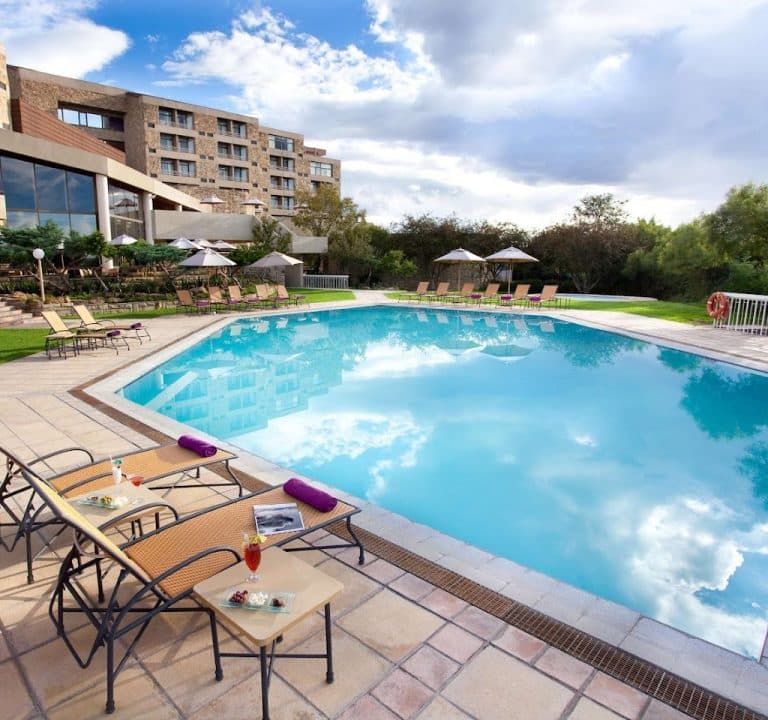
One prominent option that may appear in listings is Hokahanya Inn & Conference Centre. While details may evolve, such properties typically offer a blend of guest rooms and conference facilities, making them suitable for travellers who are attending events or seeking a central, dependable base. For more information, prospective guests should consult the property's official site or contact channels on their own terms, noting any current guest services and accessibility features.
When choosing where to stay, consider the following areas and what they offer:
- Central Maseru: Close to banks, markets, restaurants, and administrative districts. Easy for visitors who want to walk to key sites and arrange day trips with local operators.
- Residential outskirts: Often quieter, with a more relaxed atmosphere and easier access to green spaces and scenic viewpoints.
- Near transport hubs: A practical choice if you plan to travel outside the city or to border towns, with straightforward access to taxis and public transport options.
Booking tips and typical amenities to look for include:
- Reliable high-speed Wi‑Fi and quiet work areas for those combining travel with work.
- On-site dining options or easy access to nearby cafés offering traditional and international fare.
- En-suite bathrooms, air conditioning or good ventilation, and controllable lighting for comfort on arrival.
- Secure parking or easy street parking, if you are driving or hiring a vehicle.
- Concierge or front-desk service that can help arrange tours, transfers, and restaurant reservations.
- Accessibility features, hot water reliability, and housekeeping schedules that suit your arrival and departure times.
Transport in and around Maseru is practical but not always rapid, so plan ahead. Local taxis are common, and some hotels offer shuttle services or can organise transfers to and from the airport or bus stations. If you intend to visit surrounding villages or natural attractions, you may wish to rent a car or join guided tours. While public transport exists, it can be less predictable, so check with your accommodation about the best options for your schedule. Walking is pleasant in the city centre, where you can explore markets, crafts stalls, and casual eateries on foot.
The best time to visit Maseru depends on what you want from your trip. Mild temperatures and clear days typically prevail in many months, making outdoor exploration comfortable. The surrounding terrain offers opportunities for hiking, scenic drives, and visiting nearby parks or cultural sites. If you are planning outdoor activities, consider the seasonality of rainfall and temperature, and be sure to pack suitable layers for cooler highland evenings, even when daytime conditions are warm.
When organising your itinerary, include a mix of relaxation and discovery. Balancing time at markets or cultural centres with leafy parks, viewpoints, and a few dining experiences can create a well-rounded stay. In terms of dining, Maseru has a range of eateries that reflect local flavours and influences from regional cuisines. Expect dishes that showcase Basotho ingredients, as well as familiar international options. Always check current opening hours and reservations in advance, particularly for popular spots or busy weekends.
Practical tips to help you enjoy your stay:
- Bring a compact rain jacket or umbrella, as weather can be changeable, especially in the highlands.
- Carry local currency for small purchases at markets and for tipping in hospitality venues.
- Have a plan for evening safety, and use reputable transport options after dark.
- Respect local customs and dress modestly when visiting religious or community spaces.
- Request assistance from your accommodation staff for vetted recommendations on safe and interesting day trips or excursions.
Beyond accommodation, Maseru serves as a gateway to Lesotho’s dramatic landscapes. For those with a taste for culture and scenery, day trips can include visits to nearby natural reserves, viewpoints, and heritage sites, all within a reasonable drive from the city centre. While specific attractions or restaurant names should be verified closer to your travel dates, your hotel or guesthouse can typically provide up-to-date guidance, maps, and personalised recommendations to help you craft a memorable stay in Lesotho’s capital.