Staying in Cape Town: where to stay, what to expect and how to plan
Cape Town’s allure lies in its dramatic setting, where ocean, mountains and city mix together to create a destination with remarkable variety. When planning a stay, consider the city’s geographic diversity: the Atlantic seaboard with beaches and upmarket neighbourhoods; the City Bowl centre close to dining and culture; the southern peninsula with spectacular coastal scenery; and the colourful townships and über-scenic winelands nearby. Each area offers different vibes, prices and access to attractions, so tailoring your choice to your interests will make the most of your visit.
Choosing accommodation
Think about proximity to the experiences you want. If you primarily want harbour and Table Mountain views, a lodge or boutique guesthouse in the Atlantic Seaboard or nearby inner-city districts can deliver convenience and atmosphere. For quick access to central sights, a stay in the City Bowl or Green Point provides walkable routes to museums, markets and cafés. For a relaxed base near wine routes and nature trails, the Constantia Valley or False Bay neighbourhoods provide a calmer pace with easy day trips.
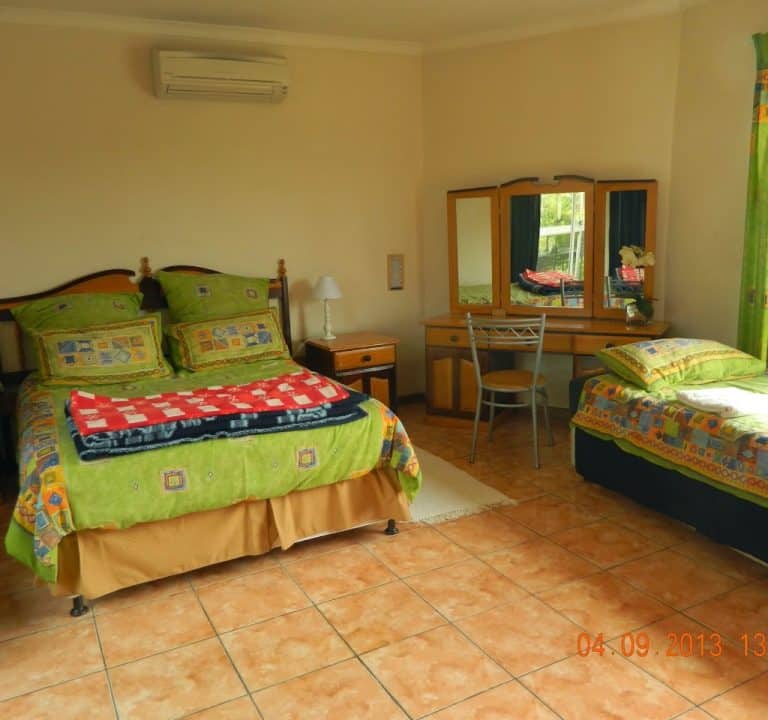
Common accommodation types range from cosy bed and breakfasts and guesthouses to boutique hotels and self-catering apartments. Look for hosts or operators who offer clear information about local attractions, transport options and practical tips. When booking, check what’s included: comfortable bedding, a clean en-suite or shared bathroom, reliable wifi, adequate heating or air conditioning for seasonal changes, and accessible public transport options or parking if you’re planning to hire a car.
What to look for when booking
- Generous breakfast options in B&Bs or guesthouses can simplify mornings before a day of exploring.
- Quiet rooms and good soundproofing are helpful in busy urban areas.
- A host or manager who can offer local insights on safe neighbourhoods, routes to Table Mountain, and recommendations for eateries.
- Clear cancellation policies and flexible booking terms, particularly during peak travel times.
- Transparent information about safety features, such as secure entry, well-lit streets nearby, and lockable storage for bags and valuables.
- Accessibility considerations if required, including step-free access and other facilities.
Typical amenities and practical details
Capsule-style city stays often feature stylish, compact rooms with en-suite bathrooms, tea and coffee stations, satellite or streaming channels, and reliable wifi. Many boutique properties place emphasis on design and a sense of place, weaving in local art, music or craft elements. Property descriptions may highlight shaded outdoor spaces, solar power or eco-friendly initiatives, and access to shared lounge areas or rooftop decks with city or mountain views.
Public transport in Cape Town is a mix of MyCiTi bus routes, metered taxis, rideshares and scenic drives. If you’re staying near the central districts, you’ll often be able to walk to markets, cafes and cultural venues, with taxis or rideshares as convenient back-up. If you’re planning day trips to the Cape Peninsula, Constantia, or the winelands, a car or organised small-group tour gives flexibility. Some centrally located properties offer shuttle services or guided walks that align with local attractions.
Best time to visit
Cape Town experiences a Mediterranean climate with warm, dry summers and mild, wet winters. The peak travel window is generally from late spring to early autumn, when long days and outdoor activities are most appealing. For fewer crowds and good light for photography, late autumn and early winter can be rewarding, especially around Table Mountain and the coastal paths. If you’re keen on whale watching, the False Bay coast and nearby viewpoints offer seasonal opportunities. Pack layers for the variable coastal weather, including sun protection for clear days and a light rain jacket for changeable conditions.
Dining, attractions and experiences
Cape Town’s dining scene spans casual eateries and fine dining, with many venues offering sea views, mountain backdrops or historic settings. Whether you want seafood by the harbour, modern South African plates, or classic bistro fare, there are choices to suit most budgets. For attractions, you’ll find iconic natural landmarks like Table Mountain and the Cape Peninsula coastline; cultural institutions with galleries and histories; and vibrant markets and street food hubs. While prices and specific venues vary, it’s sensible to plan a mix of paid experiences and free viewpoints to balance costs.
Practical planning tips
- Book ahead for popular districts and seasons to secure preferred rooms and rates. Off-peak stays can offer excellent value without compromising access to highlights.
- Check access to stairs or lifts if mobility is a consideration, and ask about parking facilities if you’re driving.
- Consider a mix of stays in different neighbourhoods to experience contrasting atmospheres—one convenient base for city sights and another closer to nature or beaches for a night or two.
- Verify safe neighbourhoods and travel routes, especially for evening plans. Your host can provide current local safety tips and reliable transport options.
- Have a flexible itinerary that balances outdoor activities, such as cable car rides or hiking, with indoor experiences like museums or markets in case of weather changes.
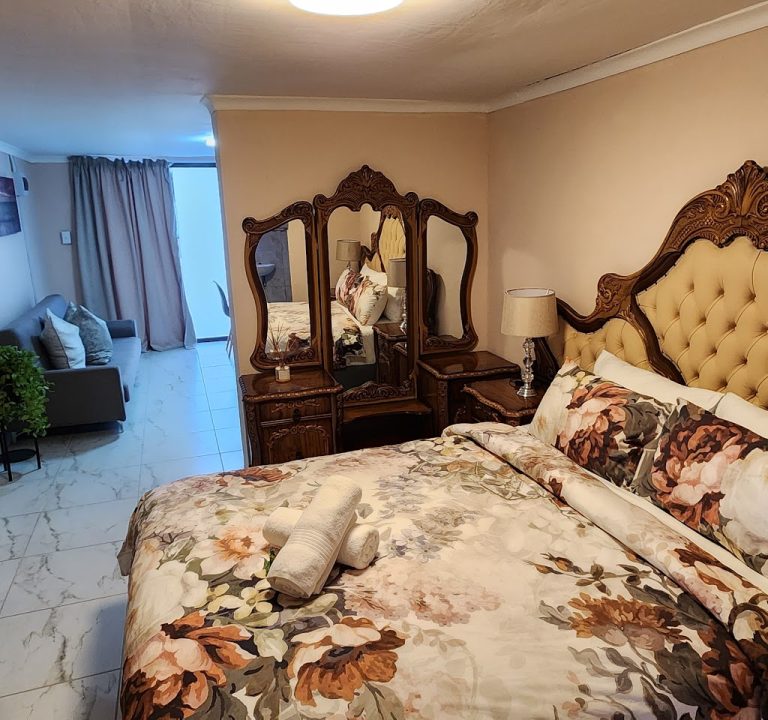
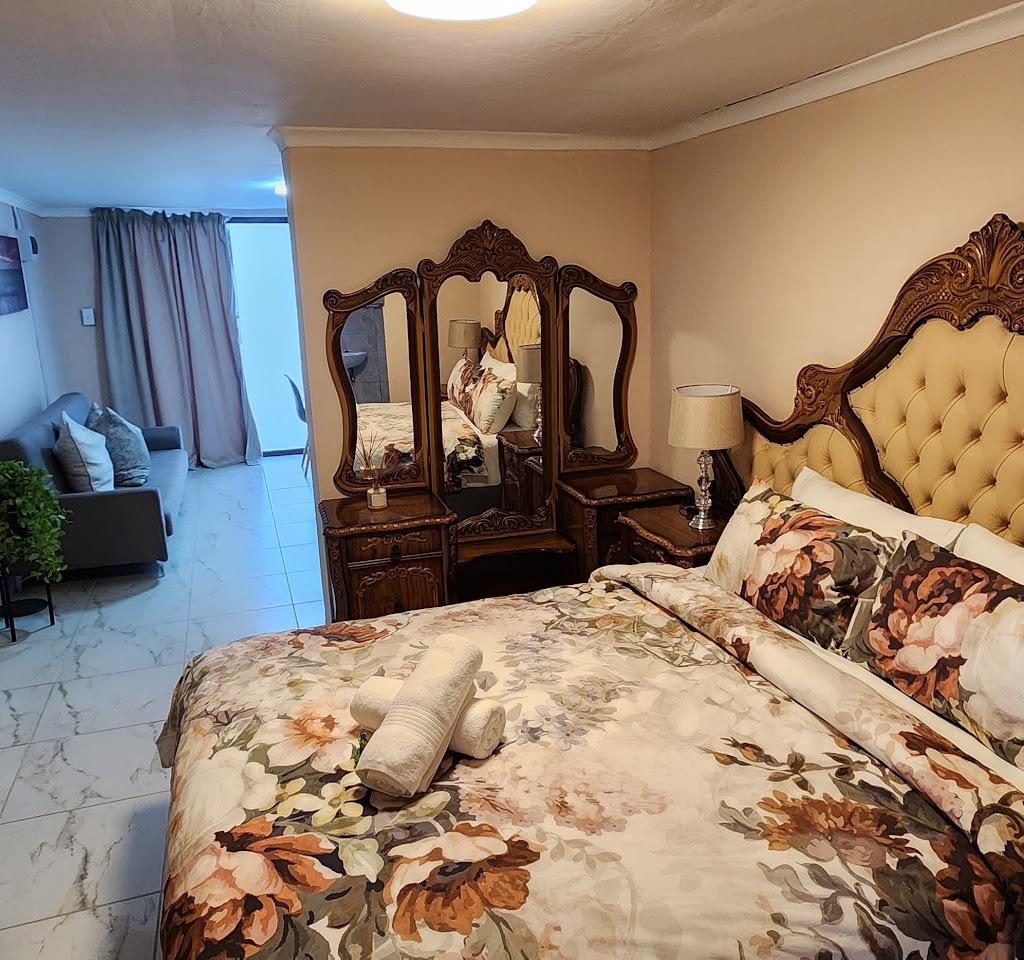
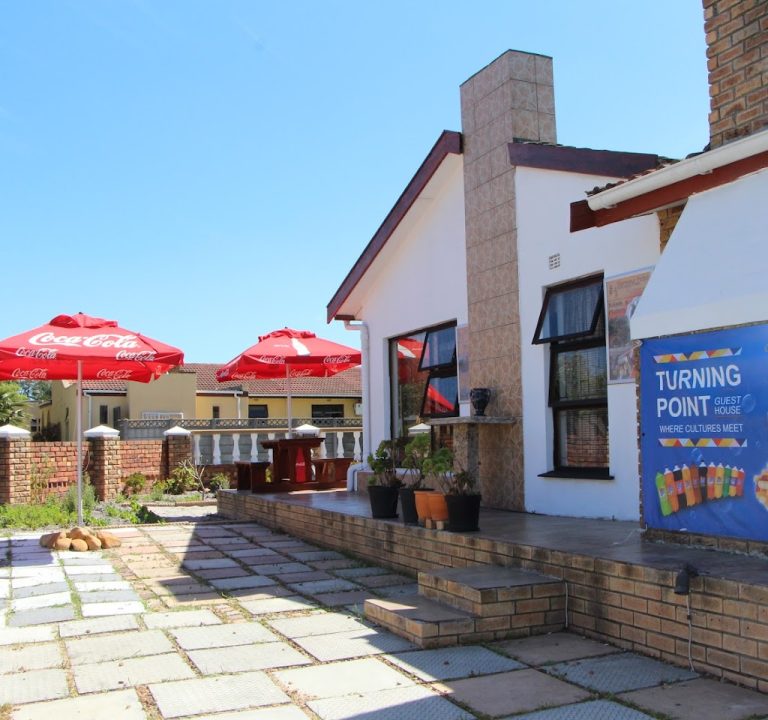
Cozy Labiance accommodation is a convenient example of how a well-chosen bed and breakfast can combine home comforts with local flavour. When browsing options, review guest reviews and host replies for practical details about what makes a stay comfortable, authentic, and well-situated for your preferred Cape Town experiences. If you’re researching further, you can explore official tourism resources and reputable travel websites for neighbourhood profiles, transport options and suggested day trips. For planning purposes, start with a broad sense of what you want to see—landmarks, beaches, markets, wine routes—and then refine your choice of accommodation to align with those priorities, ensuring your Cape Town visit is memorable, well-paced, and comfortable.