Accommodation and Experiences in Cape Town: Where to Stay and What to Do
Cape Town is a city of contrasts, where rugged coastline meets lush winelands and vibrant neighbourhoods. When planning a stay, consider the variety of districts that shape your experience: coastal escapes with sea views, historic neighbourhoods with easy access to sights, and leafy enclaves that offer a calmer pace after busy days of exploration. From boutique guest houses to self-catering apartments, the city provides options to suit different budgets and preferences, all within reach of iconic attractions and hidden gems.
Areas to consider for a stay include the picturesque Atlantic seaboard, where hillside properties overlook the ocean and the iconic Table Mountain is never far away. Camps Bay and Clifton offer sweeping beaches and a cosmopolitan atmosphere, while Green Point and Sea Point provide convenient access to the V&A Waterfront, islands of shops and eateries, and a lively promenade. The City Bowl, including areas such as the foreshortened streets of Bo-Kaap, offers convenient access to museums, markets, and the central business district. Constantia’s buzzy green valley promises a peaceful, more rural ambience with easy access to high-end wine farms, perfect for day trips. Woodstock and Observatory present a hip, artsy vibe with up-and-coming dining scenes and vintage character. For self-catering stays, nearby neighbourhoods can feel like a home base—close enough to major sights but with a tranquillity that’s hard to find in the ground-floor bustle of the city centre.
When choosing accommodation, think about what matters most for your travel style. Proximity to major sights can save time, while a quiet courtyard or pool area may be worth paying a little more for if you’re planning longer stays. Look for properties that offer character alongside practical comforts: reliable Wi-Fi, well-equipped kitchens or kitchenette facilities, and flexible check-in arrangements. For families or groups, a self-catering option with multiple bedrooms and a living area can be more economical and convenient than several hotel rooms. For couples or solo travellers seeking a romantic escape, a boutique guest house with personalised touches and sweeping views can transform a trip into a memorable experience.
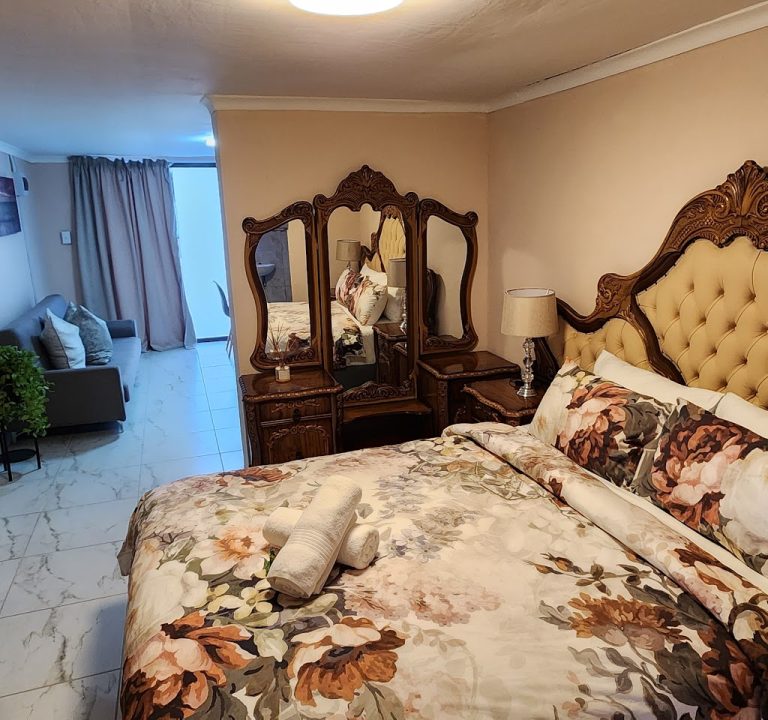
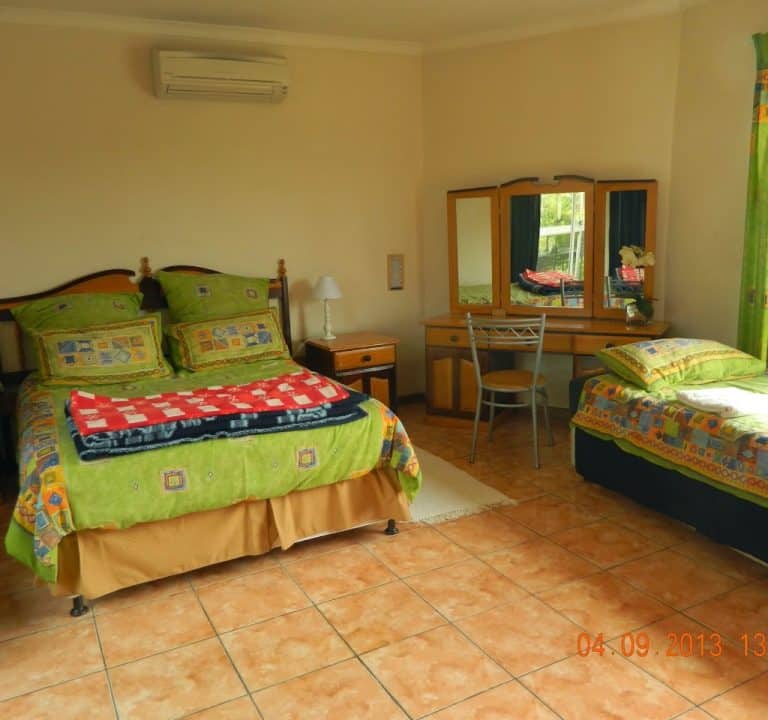
Typical amenities to expect include comfortable beds with quality linens, daily or weekly housekeeping, secure parking or easy street parking, and a clear policy on noise and curfews. Private entrances or self-check-in options can add convenience for late arrivals. Many properties in Cape Town offer outdoor spaces such as balconies, patios, or terraces with mountain or sea views, which are particularly enjoyable at sunrise or sunset. Kitchens or kitchenettes, communal lounges, and shaded outdoor areas are common, especially in guest houses and self-catering units. If you require accessibility features, contact the host in advance to confirm suitable arrangements, as not all older buildings can accommodate every need.
Transport in Cape Town is diverse and affordable. The city’s MyCiTi bus network is reliable and relatively straightforward for visitors to navigate between major hubs such as the City Centre, V&A Waterfront, and the Atlantic Seaboard. Rideshare services offer convenient door-to-door travel, and car rental provides maximum flexibility for venturing to the winelands of Constantia or the scenic Chapman’s Peak Drive. If you plan day trips, consider arranging an organised excursion or a private transfer through your accommodation or a reputable operator. Walking is enjoyable for shorter distances in central neighbourhoods, while hills around Table Mountain can be quite steep, so plan routes accordingly.
The best time to visit Cape Town largely depends on the activities you have in mind. The summer months (December to February) bring warm weather ideal for beaches and outdoor dining, while spring (September to November) offers pleasant temperatures with fewer crowds and blooming gardens. Autumn (March to May) brings clear skies and comfortable conditions for outdoor exploration, and winter (June to August) can be cooler and occasionally rainy, yet often quieter and more budget-friendly. Whatever the season, the city’s stunning landscapes—Table Mountain, the Cape Peninsula, and the Cape Winelands—remain the backdrop to daily adventures. If you’re planning outdoor activities, pack layers, sun protection, and a light waterproof layer for coastal breezes and sudden showers.
To make the most of your stay, consider blending accommodation with experiences that reflect Cape Town’s diverse character. You could begin with a base in the V&A Waterfront area for easy access to harbour views, markets, and waterfront dining, then venture into the nearby Bo-Kaap for colourfully tiled streets and cultural insights. A day trip to the Cape Peninsula allows you to witness rugged cliffs, turquoise coves, and potential wildlife encounters along the coastal route. Wine lovers may allocate a day to the Constantia Valley or nearby Stellenbosch and Franschhoek for tasting rooms and vineyard lunches. For families or groups, a home-like stay with a kitchen enables casual meals after a day of exploring, while couples may prefer a boutique guest house with a balcony and a sunset view over theAtlantic.
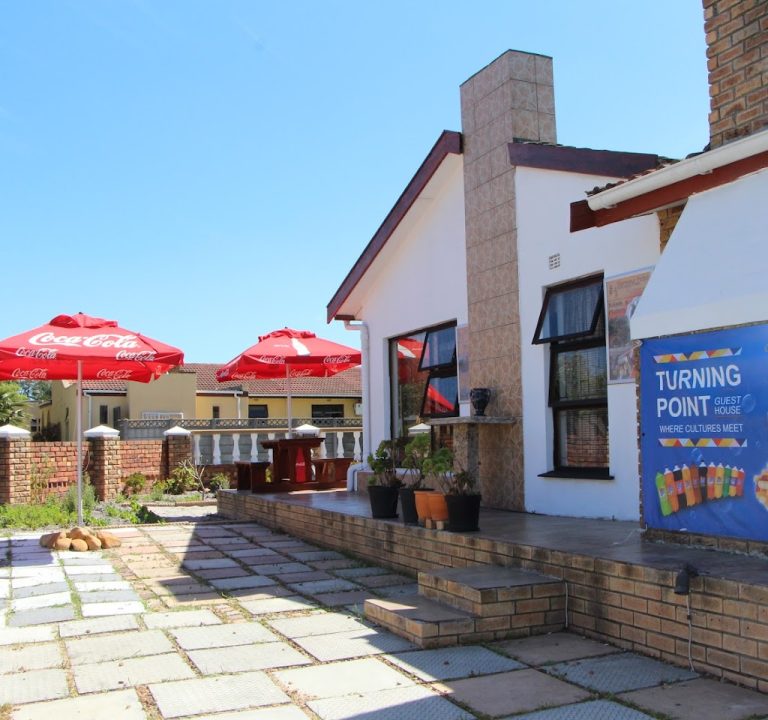
If you’re seeking accommodation with a focus on guest house hospitality, consider options such as Step-by-Step Self-Catering and B&B, which exemplifies a home-from-home approach while offering self-catering facilities and friendly, local guidance. For more information and availability, you can explore their listing at the publisher’s site: https://book.nightsbridge.com/34478. Always review guest house policies on check-in times, house rules, and any on-site amenities before booking to ensure a smooth stay.
- Plan a balanced itinerary that combines iconic sights with slower neighbourhood explorations.
- Check for flexible cancellation policies and explicit information on self-catering arrangements.
- Factor transport time into daily plans, especially if you are visiting during peak traffic periods.
- Look for properties with clear guidance on safety, parking, and access to public transport.
In summary, Cape Town offers a broad spectrum of accommodation styles, from stylish guest houses to modern self-catering apartments. By choosing a neighbourhood that aligns with your pace and interests, and by arranging practical details in advance, you can enjoy a relaxed, immersive stay that combines superb settings with easy access to world-class attractions and dining experiences.