Johannesburg: where to stay, what to do, and practical planning tips
Johannesburg, or Jo’burg as many locals affectionately call it, is a dynamic gateway to South Africa’s Highveld. The city offers a range of accommodation styles, from intimate guest houses and boutique B&Bs in leafy suburbs to modern hotels near business districts and vibrant neighbourhoods. When planning a stay, consider not only price and style but also the vibe you want, the convenience of transport, and how you’ll spend your days exploring both the urban scene and the wider region.
Where to stay matters as much as what you want to do. If you are seeking a calm, walkable neighbourhood with cafés, markets, and easy access to cultural attractions, you might favour areas such as Rosebank, Melville, or Parkhurst. For a more business-friendly stay with proximity to corporate precincts and upmarket dining, Sandton or Sandton City’s surrounds are popular. For a sense of history, wide streets and historic architecture, the central inner city areas offer a mix of heritage lodgings and contemporary boutique stays. In Soweto, you can stay near historic townships while enjoying guided tours and a different rhythm of city life. When choosing, check how far your accommodation is from the places you plan to visit, and whether it offers secure parking or easy access to public transport.
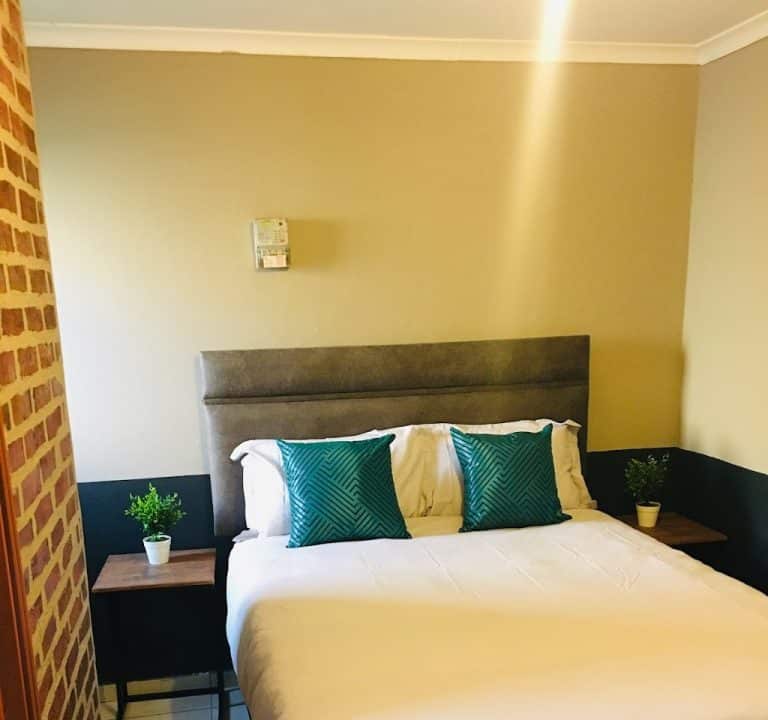
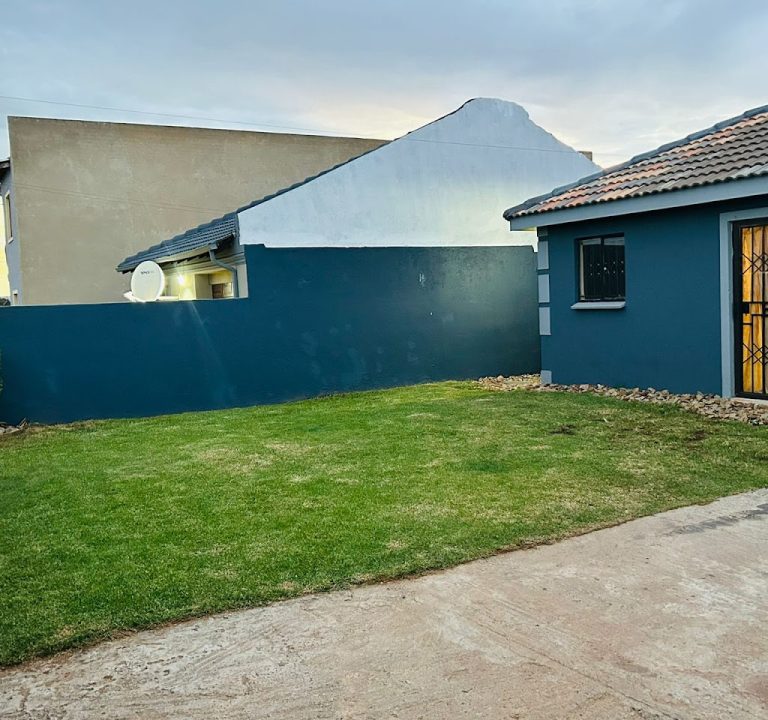
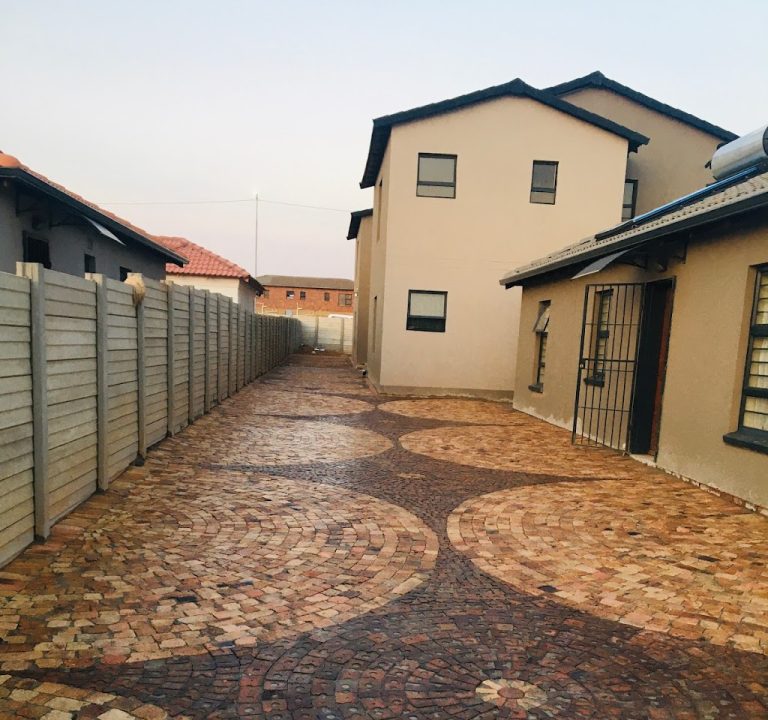
Typical amenities in Johannesburg’s accommodation scene are designed for comfort and convenience. Many guest houses and boutique hotels provide complimentary breakfast, Wi‑Fi, and secure parking. A growing number offer self‑catering options, business facilities, and 24‑hour reception. Rooms may vary from compact doubles to suites with private lounges, and some establishments provide outdoor spaces such as patios or small gardens. If you’re seeking a guest house experience, look for hosts who can offer local tips, arrange airport transfers, or organise day trips to nearby attractions. For families, suites with extra beds or interconnecting rooms can be practical, while solo travellers often value access to common areas and friendly staff who can point you toward authentic dining experiences and safe, convenient transport options.
Transport in Johannesburg is diverse. The city is served by a network of taxis, ride‑hailing services, and a rail link that connects certain suburbs with the city centre and business districts. If you are staying in a suburb with good access to main roads, renting a car can provide flexibility to explore beyond the city core, including natural landscapes, markets, and nearby towns. Alternatively, plan your days around hop‑on, hop‑off style itineraries or guided tours that include transport. When selecting accommodation, ask about parking arrangements, proximity to commuter rail stations or major bus routes, and whether the hotel or guest house can arrange reliable transfers from the airport or rail hubs.
The best time to visit Johannesburg is shaped by weather and events. The city experiences a warm, wet summer and a dry, cooler winter. For outdoor activities and safaris in the wider region, the dry season (roughly May to September) tends to offer better visibility and more comfortable daytime temperatures. If you prefer a more verdant cityscape and lively street life, the summer months bring colour to parks and markets, but plan for the possibility of rain showers. Regardless of when you travel, give yourself time to acclimatise to the climate and to the busy rhythm of city life, especially in peak travel periods and around major cultural festivals.
When it comes to planning an itinerary, balance must‑do attractions with downtime. In general terms, you can expect to encounter a mix of museums and galleries, historical sites, and vibrant markets alongside modern shopping precincts and fine‑dining venues. For a broader sense of the region, consider a day trip to nearby regions that offer nature reserves, hills, or local heritage sites. Dining in Johannesburg ranges from casual cafés and bistros to contemporary restaurants that spotlight South African producers. Rather than attempting to visit every venue, select a few core experiences and allow room for spontaneous discoveries in areas known for their street life and markets.
Practical planning tips to smooth your stay:
- Book accommodation with secure parking or reliable transport options, and read recent guest reviews for safety and convenience notes.
- Check for accessibility to your preferred areas. A short drive can save time if you are exploring a wide city.
- Ask hosts about local transport tips, safety considerations, and recommended dining spots that are popular with locals.
- Pack a light layer for cooler evenings and a hat or sunscreen for daytime outdoors, especially if you plan to visit parks or markets.
- Budget for a mix of paid attractions and free experiences, such as strolling urban districts, visiting public markets, or enjoying parks and public spaces.
In summary, Johannesburg rewards planning and flexibility. By choosing a location that suits your pace—whether a quiet suburb with easy drives or a bustling urban hub—you can maximise your time visiting sights, sampling cuisines, and connecting with the city’s welcoming hospitality. For more ideas and practical travel planning, you may wish to consult reputable travel resources or local tourism guides that provide updated information on attractions, dining options, and transport networks. Safe, memorable travels await in this dynamic South African city.