Accommodation and Getting the Most from Your Stay in Johannesburg, Gauteng
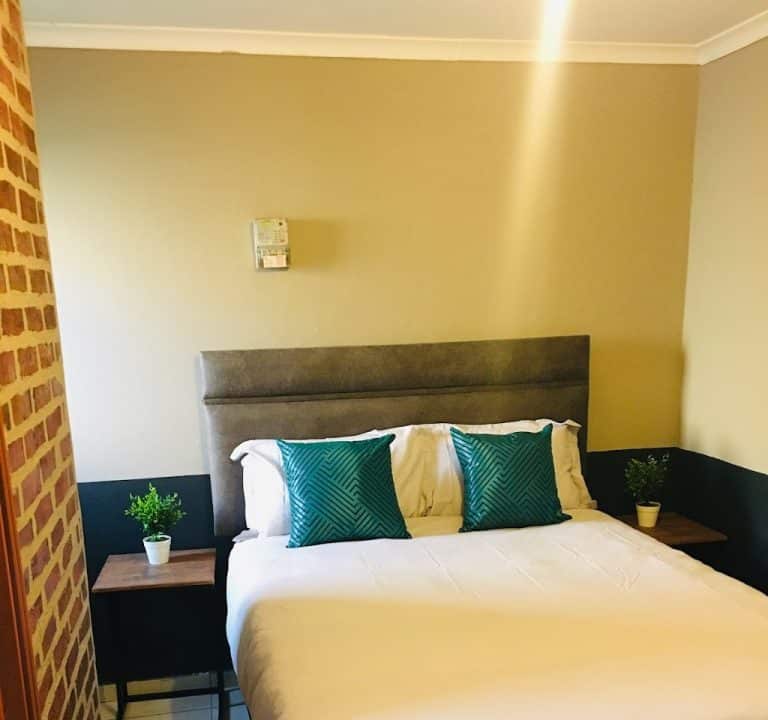
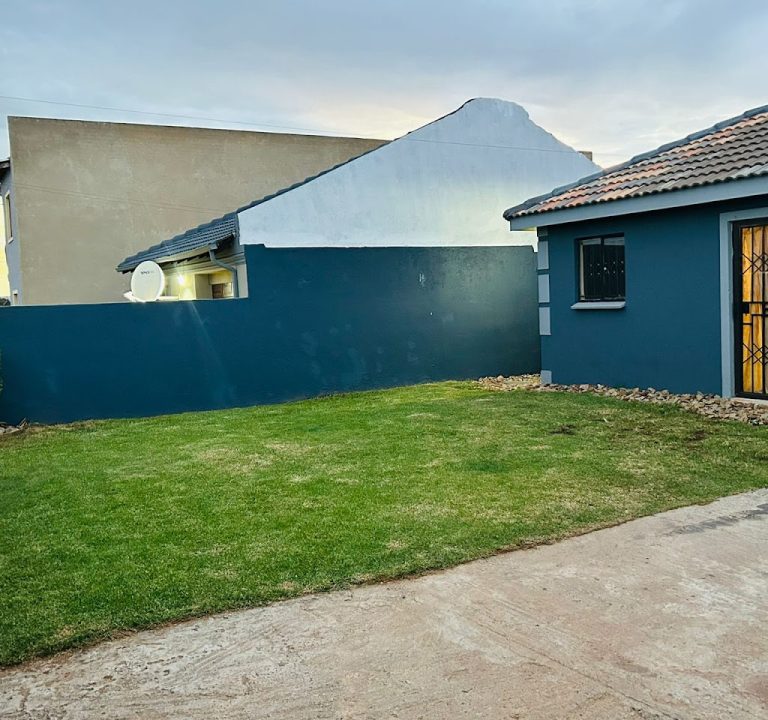
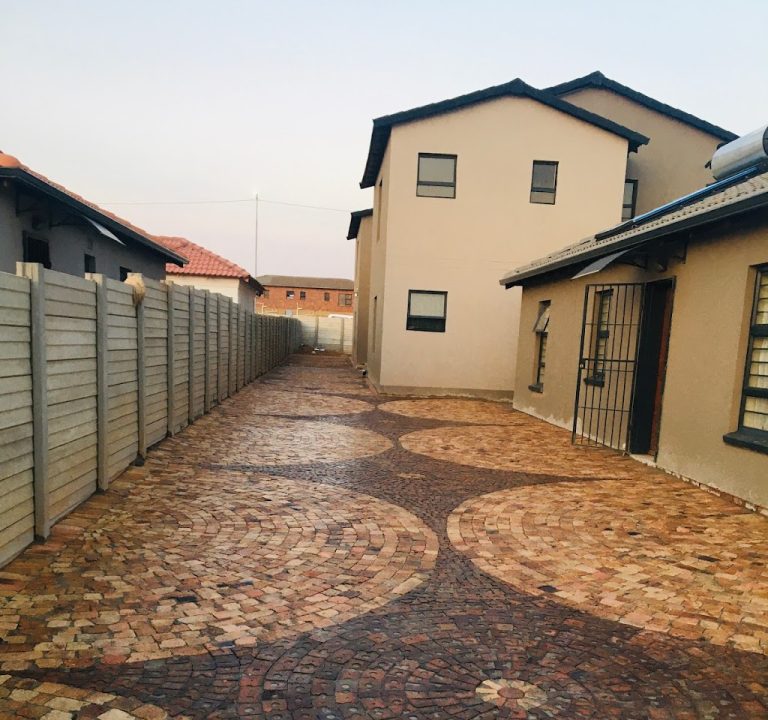
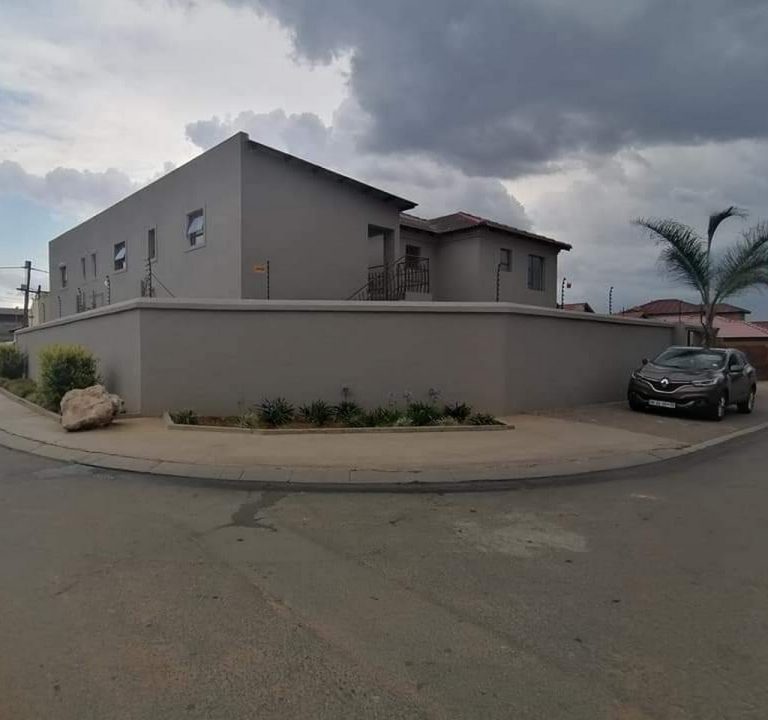
Johannesburg is a vibrant gateway to South Africa’s escarpment and urban culture, where accommodation ranges from stylish boutique guest houses to modern high-rise hotels and cosy B&Bs. When planning a stay, think about the kind of neighbourhood that suits your priorities—whether you want sleek business convenience, artistic flair, or easy access to history and wildlife day trips. One well-regarded option for travellers exploring the city is a guest house such as Poroza Guesthouse, which can offer a personal, homely base with helpful local insight. Even without a formal listing, guest houses typically provide a warm welcome, comfortable rooms, and a convenient central location that makes sightseeing and dining straightforward.
Morning-to-evening activity in Johannesburg often revolves around accessibility and comfort. If you value being within easy reach of business districts, shopping hubs, and dining options, consider areas like Sandton for modern amenities and excellent transport links, Rosebank for a more relaxed, leafy vibe with plenty of cafes, and Maboneng for a creative, walkable precinct with galleries and street activity. Braamfontein has a young, energetic scene and good access to public transport, while Soweto offers a rich historical backdrop and grounded hospitality, often with more generous, conversational rooms and community-focused experiences. Each area has its own rhythm, so match your stay to what you hope to experience day by day.
When you book, look for a few reliable features that will make your stay smoother. A private bathroom and reliable heating or air conditioning are essential for comfort in Johannesburg’s varied climate. Check for secure parking if you’re driving, or easy access to public transport if you’ll rely on Gautrain links, metro routes, or ride-hailing services. A well-equipped kitchen or continental breakfast can save time and money for longer stays. Free Wi‑Fi is useful for planning day trips, finding up-to-date opening times for attractions, and staying connected with friends and family. If you’re staying in a guest house, read guest reviews to understand how hosts balance privacy with helpful local tips.
Typical amenities you might encounter include comfortable beds with quality linens, en-suite bathrooms, daily housekeeping, and a choice of room configurations (single, double, or family rooms). Many places offer a lounge area or shared kitchen, which can be a friendly space to swap travel tips with fellow guests. A small garden or outdoor seating area can be a welcome retreat after a day spent exploring, especially in the milder parts of the year. For families, note whether a property offers cribs or extra beds, and if there are safe, child-friendly zones in common areas. If you’re a light sleeper, inquire about room placement away from street noise and about any blackout options or soundproofing features.
Transport is a practical consideration in Johannesburg. The city has a developing transport network, with rapid rail links through the Gautrain between OR Tambo International Airport, Johannesburg, and Pretoria, plus bus and minibus routes. Many guests prefer staying within a short taxi ride or ride-hailing distance to top sights, restaurants, and markets, avoiding long drives in peak traffic. If you’re driving, confirm parking arrangements and whether there are any security considerations in the surrounding streets. For day trips, you can reach the famed Apartheid Museum, Constitution Hill, and the vibrant urban precincts by car or guided tours, while safer, well-lit areas support evening strolls to dinner or a night market.
The best time to visit Johannesburg tends to be during the drier months from late autumn to early spring (roughly May to September), when daytime temperatures are comfortable and outdoor activities are enjoyable. Even in winter, the sun can be bright, making it pleasant for urban exploration. Summer brings warmer, more humid days with the possibility of late-afternoon showers, so pack light layers and a rain jacket. If you’re planning outdoor excursions or a trip to nearby nature reserves, it’s worth coordinating with your accommodation host about the best times to visit popular sites to avoid crowds or to catch a guided tour with a local operator.
Practical planning tips to help you make the most of your Johannesburg stay:
- Book a property with clear cancellation terms and a straightforward check-in process, especially if your plans may shift.
- Ask hosts or hosts’ assistants about local dining favourites, markets, and safe take-out options, particularly for evenings when you’d rather dine close to home.
- Consider a two- or three-centre stay that balances urban experiences with easier access to nature, such as a short excursion to a nearby reserve or park.
- Pack a power adaptor suitable for South Africa and a small daypack for exploring on foot or by public transport.
In terms of experiences, Johannesburg offers a broad palette of visitor activities without requiring extravagant planning. You’ll encounter museums that contextualise South Africa’s layered history, markets where artisans and designers showcase their wares, and restaurants that span casual bistros to refined eateries. While exact venues and prices vary, a well-chosen base in a convenient neighbourhood will enable you to discover the city’s contrasting essences—from street-level culture to polished shopping districts—at a relaxed pace. For many visitors, a well-supported stay in one of Johannesburg’s guest houses or boutique stays provides the comfort and local insight that makes a trip both enjoyable and memorable.