Johannesburg Stay: Where to base your visit and how to make the most of it
Johannesburg, or Jo’burg, is a dynamic gateway to Gauteng with a mix of modern developments, historic neighbourhoods and a vibrant dining and arts scene. When planning a stay, consider districts that suit your interests, transport preferences and the pace you want, from leafy suburbs with boutique guesthouses to buzzing urban hubs with easy access to museums and markets. A well-chosen base will save time, reduce stress and help you soak up the city at your own pace.
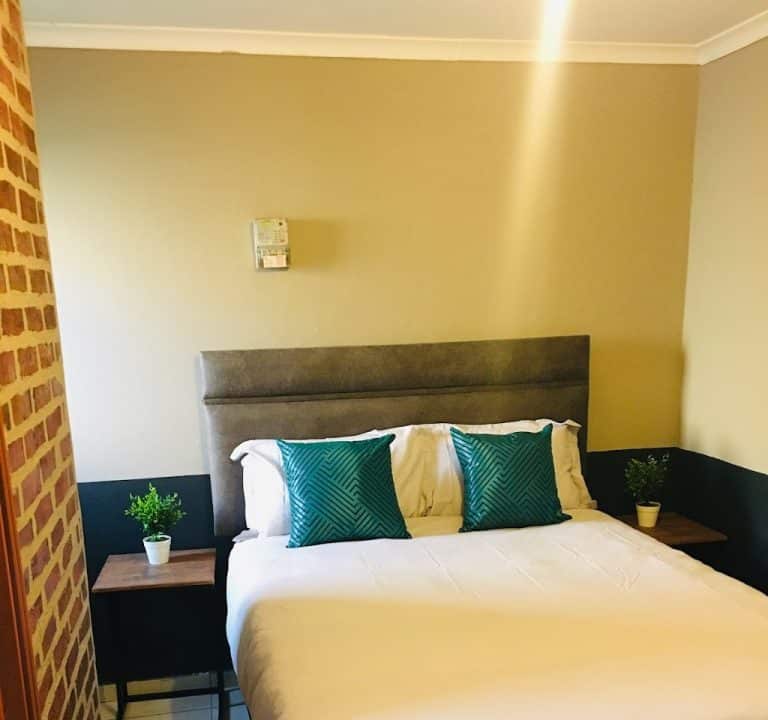
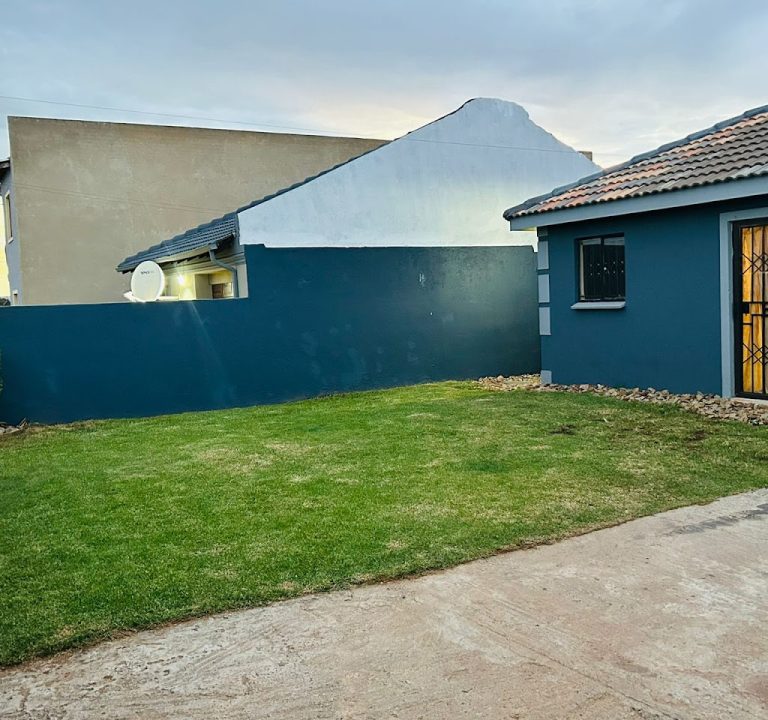
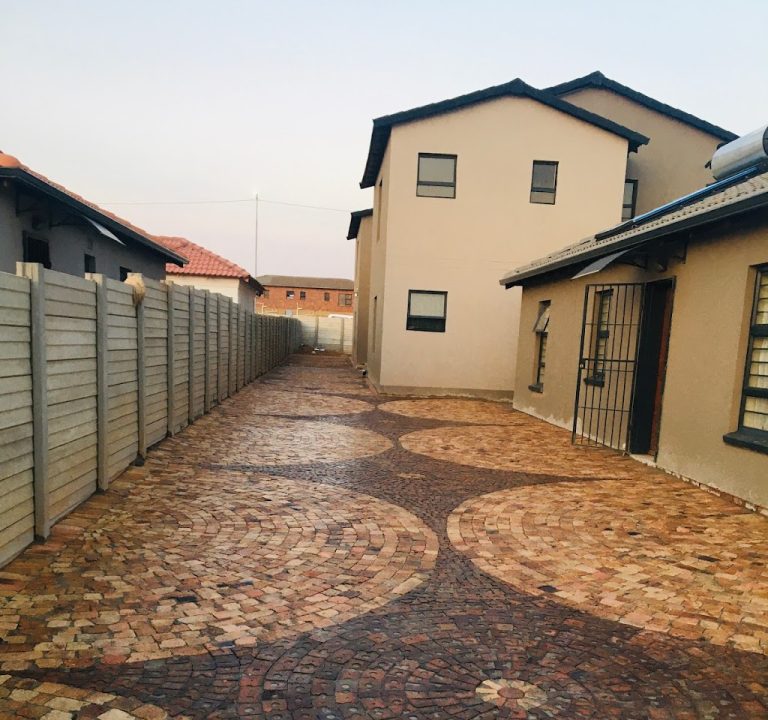
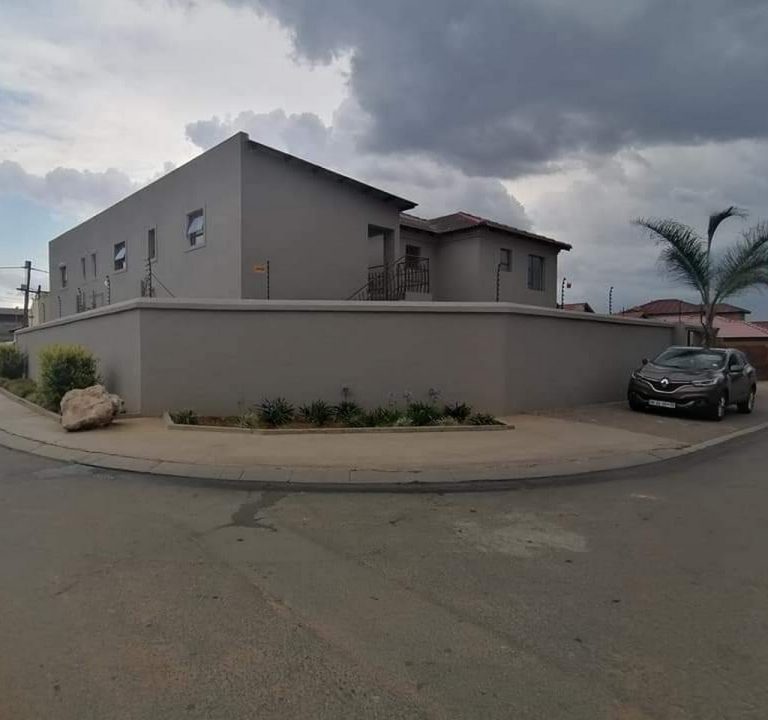
Accommodation in Johannesburg ranges from intimate guesthouses to contemporary boutique hotels and larger guest lodges. For a more relaxed yet convenient experience, several guest houses in residential areas offer personalised service, comfortable rooms and thoughtful extras. One example is Black Rose Guesthouse Classic, which embodies the blend of hospitality and location that many visitors seek, with easy access to main routes and a comfortable base for exploring the region. When researching options, look for three things: a secure, well-lit neighbourhood; reliable, on-site amenities; and clear guidance on local transport or transfer options. Always check recent guest reviews for reflections on noise, cleanliness and staff helpfulness.
Areas to consider include:
- Sandton and surrounding northern suburbs: renowned for shopping, business and easy motorways, with upscale guesthouses and hotels close to modern dining precincts.
- Rosebank and Melrose Archae?: popular for markets, eateries and convenient Gautrain access, ideal for travellers seeking a lively but walkable neighbourhood.
- Quad or central districts like Braamfontein and Newtown: great for culture, street-level art, cafés and a short ride to museums and theatres, best for travellers who enjoy a walkable city vibe.
- Soweto and Vilakazi Street: for a deeper historical experience and guided tours, often offered from guesthouses with local knowledge and practical tips for safe exploration.
What to look for when booking: clean, well-maintained rooms; daily housekeeping; reliable Wi‑Fi; secure parking if you’re driving; and transparent policies on cancellations. A complimentary breakfast can be convenient for busy itineraries, while self-catering facilities offer flexibility for longer stays. If you’re visiting during peak travel periods or school holidays, book well in advance, especially in popular neighbourhoods. A guest house with friendly, knowledgeable staff can be invaluable for booking city tours, restaurant reservations and transit guidance.
Typical amenities often include en-suite bathrooms, air conditioning or ceiling fans for Johannesburg’s warm days, and some properties offer additional features such as small lounges, courtyards or garden spaces. Within close reach of many guest houses, you’ll find easy access to public transport options, including the Gautrain line, which connects Johannesburg to Pretoria and the airport, as well as local bus services and rideshare availability. If your schedule requires flexibility, ask about airport transfers or advice on safe, affordable shuttle options.
Best time to visit depends on what you want from your trip. The city has warm summers with afternoon thunderstorms, and cool, dry winters. Spring and autumn (September to November, March to May) tend to offer comfortable weather for exploring outdoor markets, parks and outdoor attractions. If you are drawn to urban landscapes, street art and cultural events, timing your stay to coincide with local festivals, galleries openings or live performances can add a rich layer to your experience. Regardless of the season, plan for afternoon heat on peak days and take advantage of shaded streets, indoor attractions and early-morning walks when possible.
Practical tips for getting around and making the most of your stay:
- Use clearly marked public transport routes where possible, and consider a supported or guided day to explore major sights safely.
- Carry a light, secure bag with a notebook or map, and keep valuables discreet in busy areas or markets.
- Set realistic daily plans to balance indoor and outdoor experiences, with time built in for rest and a relaxed meal amidst neighbourhood exploring.
- Ask your accommodation hosts for personalised recommendations on dining, cafés, and neighbourhood highlights—hosts with local insight can save you time and help you discover hidden gems.
Attractions and dining experiences in Johannesburg are diverse and accessible from most well-positioned bases. Artifact-filled museums and galleries offer glimpses into South Africa’s past and present, while markets and shopping districts showcase contemporary design, crafts and regional flavours. In the city’s restaurant scene, you’ll find a range of venues—from casual bistros serving everyday favourites to more refined dining spaces that reflect a cosmopolitan palate. For a balanced itinerary, plan a mix of cultural visits, a stroll through a garden or park, and evenings that let you experience the city’s dining scene at a comfortable pace.
When choosing a place to stay, consider proximity to your preferred activities, but also allow time for spontaneous discoveries—neighbourhood corners, small galleries, or a casual coffee corner can become unexpected highlights of your Johannesburg visit. For those seeking a trusted base with connection to a wider Gauteng travel network, a well-appointed guest house such as Black Rose Guesthouse Classic can offer both convenience and a warm, personalised welcome, making it easier to settle in and start exploring from day one. For more information, visit the property’s website: https://www.blackroseguestlodge.co.za/.