Where to stay and what to do in Cape Town: a practical guide for travellers
Cape Town blends dramatic scenery with a rich mix of cultures, flavours and activities. Whether you’re seeking a stylish city base, a coastal haven with ocean views, or a wine‑land retreat a short drive away, the city offers a range of accommodation to suit different itineraries and budgets. From boutique hotels tucked into the foothills of the Table Mountain range to guesthouses with personalised service and convenient access to the Atlantic coastline, planning a stay in Cape Town allows you to tailor your days around iconic landscapes and memorable experiences.
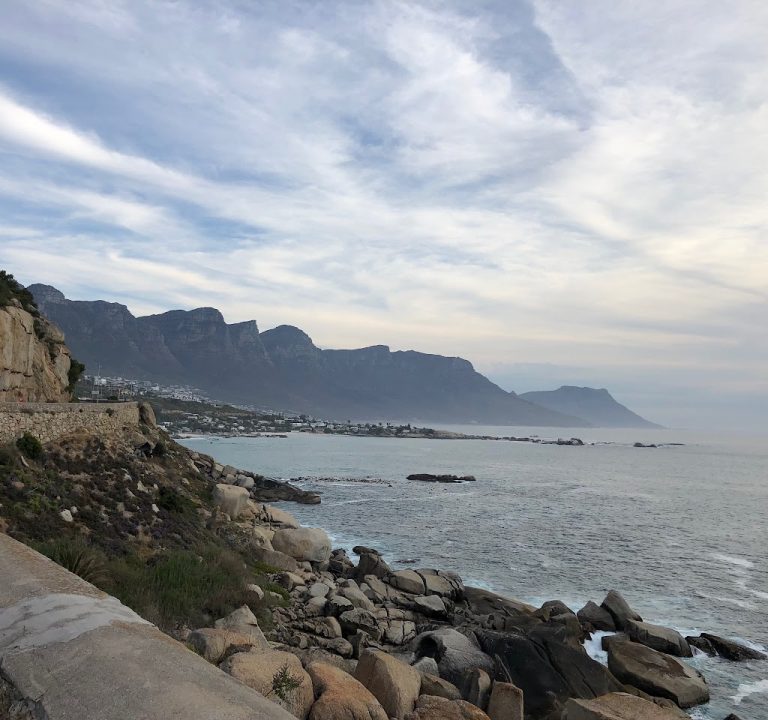
When choosing where to stay, consider the kind of access you want to key sights, dining and transport. City‑centre options place you within easy reach of the V&A Waterfront, trendy eateries and cultural institutions, while the Atlantic Seaboard (think Camps Bay and Clifton) delivers long strolls along sandy shores and glamorous beachfronts. Constantia and the southern suburbs offer leafy tranquillity and easy access to forest trails and wine estates. If you’re arriving on a longer break, you might enjoy a few nights in a central hotel followed by a couple of nights in a more relaxed guesthouse in a quieter neighbourhood. A boutique hotel such as Compass House Boutique Hotel provides a refined base with proximity to both the city and the Atlantic coast; you can explore their offering at their official site: http://www.compasshouse.co.za/
Typical amenities to look for include reliable Wi‑Fi, secure parking if you’re hiring a car, and options for breakfast service. In many guesthouses and boutique hotels in Cape Town, rooms may feature individual décor, in‑room tea and coffee facilities, climate control, and en‑suite bathrooms. Should you prefer self‑catering or apartment‑style stays, several properties offer kitchenettes or full kitchens, which can be a practical choice for families or longer visits. Swapping experiences between a hotel or guesthouse and a self‑catering option can also balance convenience with flexibility.
Transport is an important planning element. The city has a reliable MyCiTi bus network in the greater Cape Town area, and Uber or local ride‑hailing services are commonly used for shorter trips or evenings out. If you’re planning day trips to places like the Cape Point Nature Reserve or the Constantia Valley wine routes, a hire car offers the greatest freedom. Some hotels provide shuttle services to popular sights or city centres, which can be convenient for first‑time visitors. When selecting an area, consider traffic patterns and parking availability, as peak season travel can be busy and some streets near major attractions may have restricted access or limited parking.
Best time to visit Cape Town depends on your priorities. Summer (roughly December to February) brings long days, warm air and ocean swims, ideal for beach lovers and outdoor adventures. Spring (September to November) and autumn (March to May) offer milder weather, with colourful landscapes and fewer crowds. Winter (June to August) is cooler and wetter, yet brings calmer coastal scenery and reduced accommodation rates in some districts. If you’re keen on hiking, the cooler months can be comfortable for exploring Table Mountain or the lush trails around Kirstenbosch Gardens; for beach methods, summer stays tend to deliver the best sea conditions and beach hues. Plan ahead for peak holiday periods, particularly around Christmas and the school holidays, when demand for accommodation rises sharply.
Top sights and experiences in general terms include a cable car ride up to the iconic plateau for panoramic views, a stroll along the historic streets of Bo‑Kaap, and a visit to the V&A Waterfront for harbour views, shopping and dining without straying far from your base. For nature lovers, the city’s surrounding peaks and nature reserves offer hiking routes suitable for various fitness levels. For foodies, Cape Town’s dining scene ranges from contemporary South African cuisine to international influences, with many restaurants drawing on fresh seafood and seasonal produce from the region. If you’re planning a wine day, Constantia and nearby Helderberg offer approachable estates with scenic drives and cellar doors, often paired with light lunches or tasting menus. While exact venues and menus change, the principle remains: plan a balanced itinerary that blends scenery, culture and cuisine, allowing time to simply explore on foot or by bike in safer, well‑lit neighbourhoods after dark.
Practical planning tips for a smoother stay:
- Book in advance for peak seasons and major events to secure preferred areas and amenities.
- Balance days between city sights and quieter coastal or hillside areas to avoid fatigue from long drives or busy schedules.
- Check access to parking and whether the accommodation offers airport transfers or easy city transport links.
- Prepare for changeable weather with a light rain jacket and comfortable walking shoes suitable for uneven pavements or coastal paths.
- Pack a basic adaptor for South Africa’s 230V supply and two‑pin plugs, remembering that many hotels provide adapters on request.
In short, Cape Town rewards thoughtful planning. A well‑chosen base can set the tone for a memorable stay, with easy access to dramatic landscapes, vibrant dining scenes and welcoming neighbourhoods. Whether you prefer the polished calm of a boutique hotel, the personalised touch of a guesthouse, or the space and convenience of a self‑catering option, the city’s diverse accommodation landscape makes it possible to tailor a stay to your pace and interests.