Heaven of Cape Town 2: Accommodation and Planning a Stay in Cape Town, Western Cape
Cape Town is a year‑round destination offering a blend of dramatic scenery, cultural experiences and coastal charm. When choosing a place to stay, consider the neighbourhoods that best match your interests, the pace you want, and how easy it is to reach the sights you intend to visit. The city’s famed setting between mountains and sea makes some areas particularly convenient for first‑time visitors, while others suit those seeking a quieter, more residential feel.
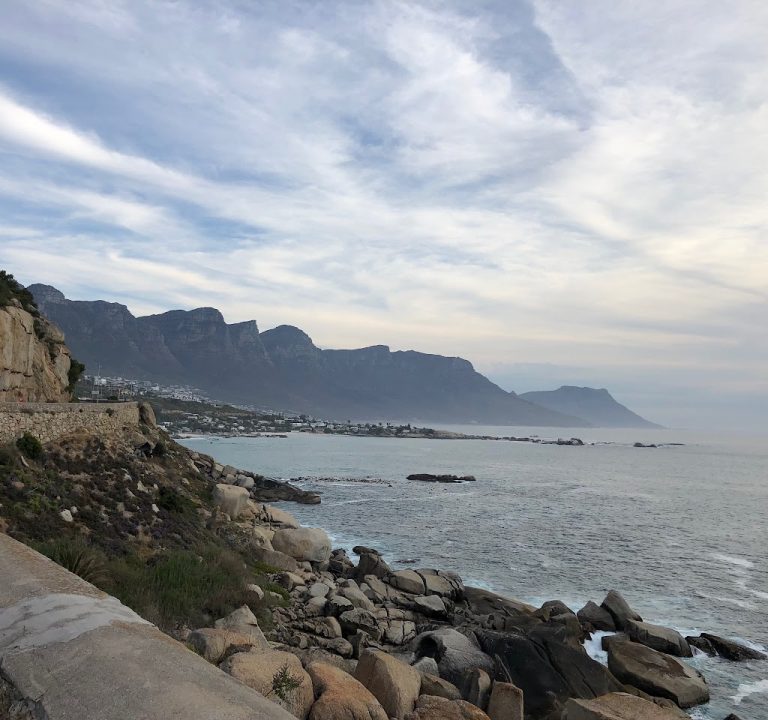
City Bowl and the central areas are ideal for convenience and walkability. You’ll find a range of boutique B&Bs, guesthouses and mid‑sized hotels close to restaurants, galleries and parks. The Atlantic Seaboard, including Camps Bay and Clifton, offers dramatic ocean views, stylish lodging and access to beaches. For a wine‑loving and leafy retreat, the Southern Suburbs and Constantia provide green spaces and easy access to the Constantia Winelands. If you enjoy markets, cafés and a more local vibe, areas near the de Waterkant and the V&A Waterfront offer lively options with good transport connections.
When booking, look for a few practical features that will shape your stay. Proximity to reliable transport is invaluable for hopping between sights without long drives. Some properties arrange transfers or can help you organise tours, while others are better for guests who enjoy public transport or self‑drive exploring. Check parking arrangements if you’re hiring a car, as on‑street parking can be limited in busy districts.
Typical amenities to expect in well‑run Cape Town properties include comfortable en suite bedrooms, secure access, Wi‑Fi, and a practical workspace if you’re combining travel with work. Many guesthouses and hotels offer complimentary breakfast and options for dinner or access to communal kitchens. Outdoor spaces, especially balconies or terraces with harbour, mountain or sea views, are a real treat in this city. If you’re travelling with family or a small group, family rooms or serviced apartments can provide more space and flexibility. For travellers who value sustainability, look for properties that promote efficient energy use, recycling, and water‑conserving practices.
Transport in Cape Town is diverse. The MyCiTi bus network covers many tourist corridors and central routes, though some areas are easier to reach by taxi or rideshare. A rental car provides the greatest freedom to explore beyond the city core, including Cape Point, Chapman's Peak Drive and the Constantia Valley. If you prefer not to drive, consider staying near a major hub with easy taxi access and day‑trip organisers that can collect you from your lodging.
The best time to visit Cape Town depends on what you want from your trip. The summer months (December to February) are lively, with long days and warm seas, perfect for beach time and outdoor concerts. Autumn (March to May) brings milder weather and quieter streets, while spring (September to November) is ideal for flower displays and hiking. Winter (June to August) is cooler and rainy, but you’ll find fewer crowds and excellent value in many guesthouses and lodges.
To plan ahead, consider a mix of experiences. You might base yourself in the centre for urban exploration, then schedule day trips to the Cape Winelands, the Cape Point coastline or the Cape Peninsula. Book accommodation with flexible cancellation policies where possible, particularly if your plans involve outdoor activities that depend on weather. Read recent guest reviews to gauge the upkeep of rooms, cleanliness, and the attentiveness of staff, and check whether the property offers secure storage for luggage if you arrive early or depart late.
In terms of activities, Cape Town offers a broad spectrum. Iconic natural highlights like a cable car or a guided hike up a flat, well‑maintained mountain trail can be balanced with calmer experiences such as botanical gardens, harbour walks, and waterfront markets. Cultural sights, museums and historic neighbourhoods provide context to the city’s story. For food lovers, you’ll find a spectrum of dining—from seafood and grill traditions to modern, farm‑to‑table cuisine—across shorelines and hillsides. The city also serves as a gateway to nearby experiences such as wine estates, coastal viewpoints, and scenic drives that feel a world away from the bustle of the inner city.
Practical tips for a smooth stay include packing layers for varying temperatures and winds, especially near the coast or on elevated viewpoints. Bring a portable charger for long days of sightseeing and a light waterproof layer for sudden changeable weather. When dining out, expect shared tables in some venues and versatile menus that accommodate a range of tastes and dietary needs. Always book well in advance for peak seasons or weekends, and confirm check‑in times with your accommodation. If you’re travelling with sensitive gear or valuables, choose a property with secure storage options and reliable security measures.
- Comfortable en suite rooms and reliable Wi‑Fi
- Secure access and good security in common areas
- Kitchen facilities or breakfast options
- Proximity to transport hubs and walkable districts
- Balconies or terraces with views when available
Whether your stay centres on striking landscapes, culinary exploration, or cultural discovery, Cape Town offers a wide tapestry of stays and experiences. By choosing a well‑located base, planning transport options, and pacing your days to match the season, you can enjoy a balanced and memorable visit that reveals the many sides of the Mother City.