Accommodation and Experiences in Cape Town, Western Cape
Cape Town offers a diverse tapestry of places to stay, from stylish boutique guest houses and family-run BnBs to modern hotels with panoramic harbour views. When planning a visit, it helps to think about what kind of experience you want: a cosmopolitan city vibe, a beachside break, or easy access to nature and hiking. Central to your decision are the neighbourhoods, the level of privacy and service you favour, and how you prefer to get around the city.
Areas to consider include the historic Bo-Kaap with its colourful houses and rich culture, the leafy suburbs of Constantia and Wynberg that are well suited to those seeking a tranquil retreat, and the Atlantic Seaboard where coastal walks and sea breezes come standard. The V&A Waterfront is convenient for first-time visitors who wish to be close to restaurants, shops, and sightseeing, while Camps Bay and Sea Point offer chic sands and lively promenade scenes. For a quieter, more residential stay with access to mountain trails, neighbourhoods around Kirstenbosch and the Constantia Valley are excellent options. If you’re aiming for a short hop to the city’s business districts or universities, look for accommodation in the central business district or nearby Green Point and De Waterkant.
When you book, pay attention to typical amenities that shape a restful stay. Look for en suite bathrooms, reliable Wi‑Fi, a well equipped kitchen or tea/coffee facilities, and thoughtful touches such as off-street parking, laundry services, or a small outdoor area. A guest house or boutique hotel often includes a communal lounge or courtyard, which can be a welcome space to meet fellow travellers. For families or longer stays, a self‑catering apartment or a guest house with kitchen access may offer greater flexibility. If you value personalised insight, small properties with owner hosts often provide insider recommendations on local markets, day trips, and seasonal events.
Transport is a practical consideration in Cape Town. Many stays offer on-site parking, which is a valuable perk given traffic patterns and limited on‑street spaces in busy areas. If you plan to explore widely, check whether your lodging can arrange airport transfers, shuttle services, or easy access to ride‑hailing. Public transport options include MyCiTi buses and commuter trains, but a car or private driver gives you the most freedom to explore both coastal routes and inland winelands at your own pace. Do bear in mind that in peak tourist season the roads around popular beaches can be busy, so booking a central base may reduce daily travel times.
The best time to visit Cape Town is determined by what you want from your trip. Spring (September to November) and autumn (March to May) offer mild weather, fewer crowds, and superb scenery as fynbos blooms. Summer (December to February) brings long, sunny days ideal for seaside days and outdoor activities, while winter (June to August) can be cooler and wetter, but brings dramatic skies and lower prices. If you plan to hike Table Mountain or visit Cape Point, ensure you check the weather and cable car operations, and be prepared for quick changes in conditions, especially in the mountains.
Attractions and experiences in general terms include iconic natural scenery, coastal trails, and culturally rich districts. Visitors commonly enjoy scenic viewpoints, sunrises over the Atlantic, and easy access to nature reserves and mountains. In the city, guided walking tours and food experiences can offer a taste of the local culture and history, while shopping areas and markets provide artisan crafts and fresh produce. Dining in Cape Town ranges from casual eateries serving fresh seafood and grilled dishes to more refined restaurants emphasising seasonal ingredients. When planning meals, consider whether you’d like a relaxed brunch after a morning hike, a sunset dinner by the sea, or a tasting menu that showcases local flavours. If you enjoy markets, you’ll find arts, crafts, and street food that reflect the city’s vibrant mix of cultures.
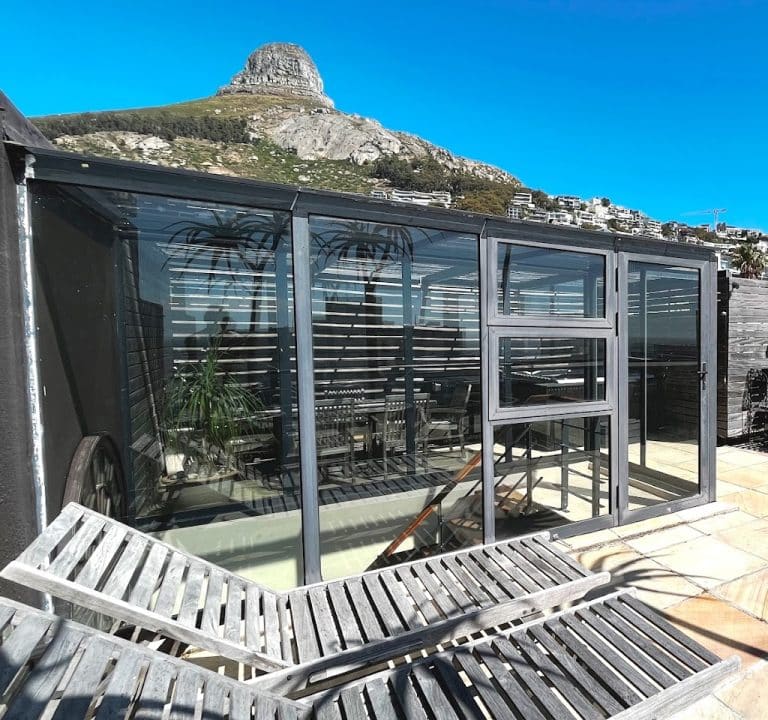
For accommodation like Bantry Retreat, a guest house in a tranquil setting can provide a hospitable base with easy access to both city sights and nature. Such properties often focus on personalised service, comfortable rooms, and a home-from-home atmosphere, making them well suited to travellers who prefer a more intimate stay. Always read recent guest reviews to gauge consistency in cleanliness, service, and responsiveness, and verify what is included in your rate—parking, breakfast, and housekeeping schedules can vary between properties.
Practical tips to optimise your stay:
- Choose a base that minimises daily travel time to your must‑see sites and activities.
- Book accommodation with flexible policies in case your plans change.
- Check for off‑street parking or easy access to public transport or a car hire service.
- Look for guest houses or small hotels that offer local knowledge and personalised recommendations.
- Pack layers for changeable weather and a lightweight waterproof jacket for mountain outings.
Cape Town rewards well-planned travel with memorable experiences, comfortable stays, and a strong sense of place. By choosing the right neighbourhood, understanding the amenities on offer, and planning transport ahead, you can craft a stay that perfectly suits your pace and preferences, while leaving room to explore the city’s diverse attractions and flavours.