Cape Town on a Stay: Where to Stay, What to Do, and How to Plan Your Visit
Cape Town’s mix of dramatic coastline, mountain scenery, vibrant neighbourhoods and world-class dining makes it a standout destination for travellers seeking a balanced mix of leisure and exploration. When planning a stay, choose an area that reflects the kind of experience you want, from sweeping sea views and easy beach access to historic streets and buzzy cultural hubs. Accommodation options range from intimate guest houses and B&Bs to stylish boutique hotels and self‑ catering apartments, each offering different vibes and practical conveniences for your trip.
Atlantic Seaboard and the Waterfront are popular for visitors who want doorstep ocean views and a walkable, lively atmosphere. In this stretch you’ll find compact guest houses and boutique hotels perched along the coast, often with terraces, swimming pools or easy access to cliff-path walks. The City Bowl area puts you in the heart of downtown life, with easy access to business facilities, nightlife, and a thriving food scene. Here, many guest houses and small hotels blend period charm with modern comforts, making them appealing for travellers who want to be close to museums, markets and cultural happenings.
The Constantia Valley and the Southern Suburbs offer a different flavour: leafy streets, larger properties, and a slower pace that suits families and travellers seeking a restful base with easy access to wine estates, hiking trails and scenic drives along the False Bay coastline. A stay in these areas can feel residential and calmer, while still providing straightforward routes to central Cape Town for day trips.
Bo-Kaap and the Grand Parade district provide a compact, historic environment with colourful architecture and easy access to hop-on hop-off sights, markets and cafés. If you prefer staying in a characterful guest house or a cosy B&B that embodies Cape Town’s heritage, these areas can be especially atmospheric. No matter where you stay, look for properties that offer secure parking or easy access to public transport, and check whether they provide guidance for self-guided walks or curated local experiences.
What to look for when booking: prioritise clean, well-maintained spaces with reliable wi‑fi, hot water, and clear communication from hosts or front desk teams. If you’re in a family group or a longer stay, a self‑catering unit or a guest house with kitchen facilities can save money and provide flexibility. Consider the size of the property and the level of privacy you desire, especially if booking in peak season. Look for hosts who can offer local tips on safe, scenic routes, and practicalities such as airport transfers or booking assistance for popular attractions.
Typical amenities to expect include comfortable bedding, secure access, daily housekeeping or regular cleaning, and some form of breakfast service, whether continental, cooked, or a continental‑style self-service arrangement. Many guest houses and boutique hotels will provide a communal lounge, outdoor spaces, and basic facilities such as a fridge, kettle, and safe in the room. It’s worth checking whether there is a pool or sun deck if you’re planning to relax on warm days, and whether air conditioning or heating is available for shoulder seasons.
Transport around Cape Town is straightforward but varies by area. The MyCiTi bus network serves much of the peninsula, though some routes are more convenient for hotel guests and residents than others. Uber and other ride‑hailing services are widely available, providing a flexible option for evening outings or to reach restaurants and attractions after dark. If you’re staying in a more distant suburb or planning day trips to Cape Point or the Cape Winelands, renting a car can be practical, giving you autonomy to explore at your own pace. When booking, consider how close your accommodation is to your planned itineraries, including cable car access up Table Mountain, the V&A Waterfront, or Kirstenbosch Botanical Gardens.
The best time to visit Cape Town combines favourable weather with manageable crowds. Spring (September to November) and autumn (March to May) offer mild temperatures, blooming gardens, and softer crowds, ideal for outdoor activities and short hikes. Summer (December to February) brings longer days and more social programming, but can be busy in peak sites and beaches. Winter (June to August) is cooler and rainier, though many attractions remain accessible and hotel rates can be more attractive outside peak season.
Practical tips to keep your trip smooth:
- Plan ahead for peak season accommodation and popular restaurants; book early where possible, especially for properties with limited rooms or unique features.
- Pack adaptable clothing for layered conditions — mornings and evenings can be cool even on warmer days, especially near the coast.
- Ensure your accommodation has secure parking or clear guidance if you are relying on public transport and walking routes after dark.
- Respect safety considerations without letting them overshadow your plans: stay aware of your surroundings, stick to well‑lit routes, and keep valuables secure.
- Tap into local knowledge: many guest houses offer maps, personal recommendations, and guided excursion ideas that can enrich your stay without breaking the bank.
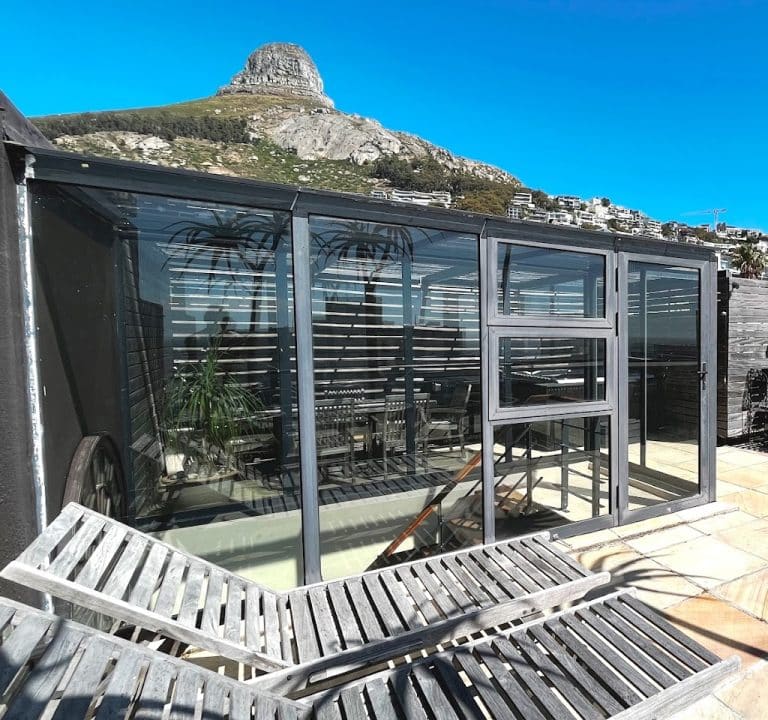
For those exploring from a guest‑house perspective, a Bantry Bay Guesthouse can exemplify the boutique option along the Atlantic Seaboard, offering a cosy base with harbour and ocean vistas, while other properties in the city centre or near the Waterfront deliver convenience for sightseeing and dining. Cape Town’s dining scene spans casual cafés, global flavours and refined restaurants, with markets and local produce featuring prominently. Even without naming specific venues, you can expect sea‑bass, seasonal greens, and Cape wines to be well represented in menus, alongside signature desserts and warm hospitality that characterises many visitor‑friendly establishments.
In planning your itinerary, balance iconic mountain and coastal experiences with deeper dives into neighbourhoods, markets and scenic drives. Whether you choose a guest house in a tranquil suburb, a chic boutique stay in a vibrant part of the City Bowl, or a stylish apartment near the water, Cape Town rewards travellers who combine comfortable lodgings with informed, flexible plans. For more inspiration and practical resources, explore official tourism pages and read property descriptions carefully to match your preferences with the rhythm of your stay.