Cape Town: Accommodation, attractions and planning your stay
Cape Town offers a rich mix of scenery, culture and cuisine, with a coastline that sweeps from the Atlantic to the Indian Ocean and a surrounding landscape that ranges from fynbos-clad mountains to wine estates. When planning a stay, consider both where you base yourself and how you move around to maximise your time exploring this diverse city and its surrounds.
Choosing a neighbourhood and setting
- The City Bowl and central precincts are ideal for first‑time visitors who want walkable access to museums, markets and dining.
- The Atlantic Seaboard areas, including Camps Bay and Sea Point, offer easy access to beaches, purple sunsets, and a lively coastal vibe.
- Constantia and the Constantia Valley provide tranquillity, wine estates and hillside retreats within a short drive of the city centre.
- The Southern Suburbs and Kalk Bay offer a more relaxed, village-like atmosphere with access to scenic coastal walks and seafood favourites.
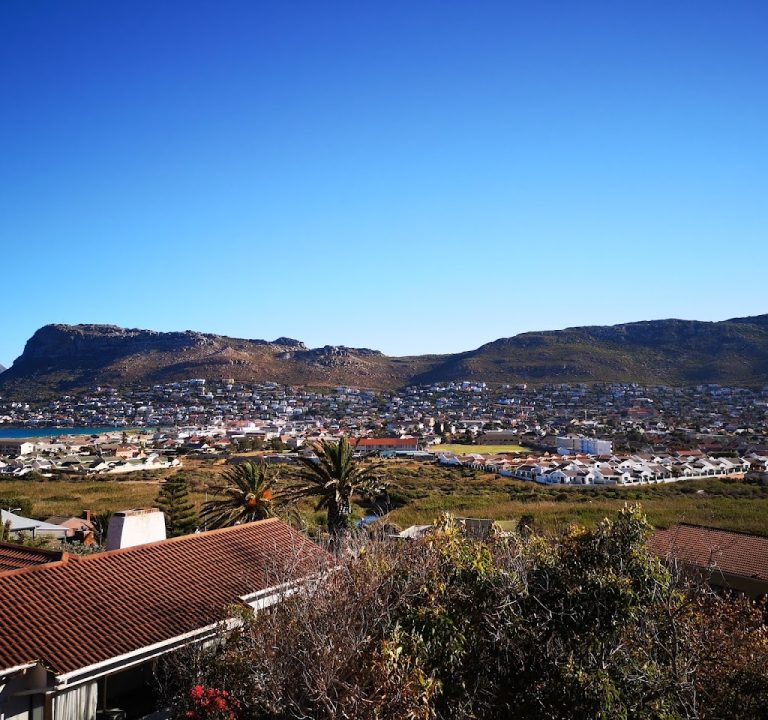
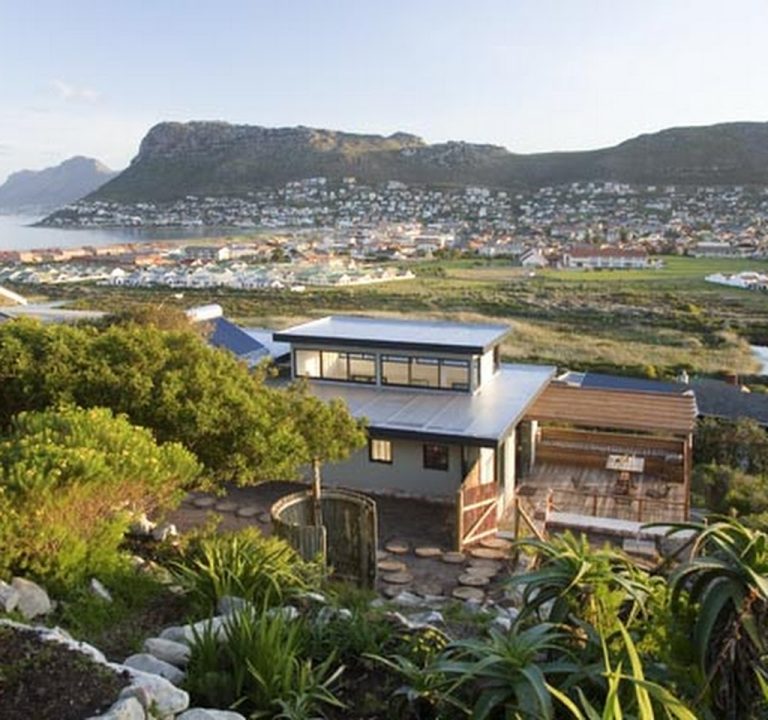
- For a truly intimate stay, guesthouses and boutique inns such as Clovelly Lodge Guest Apartments provide a personalised experience close to community life and the natural coastline.
What to look for when booking
- Location relative to activities: decide whether you want to be in the city’s heart, on the coast, or tucked away in a leafy suburb with easy access to road routes.
- Room configuration and privacy: check whether rooms offer en‑suite facilities, private entrances, or shared spaces to suit your comfort level.
- Amenities that matter to you: reliable Wi‑Fi, self‑ catering facilities, parking, and air conditioning are common asks, but many guests also value tasteful design, outdoor spaces, and secure access.
- Transport links: consider proximity to taxi services, ride‑hailing options, and public transport such as MyCiTi buses or regional rail for easy day trips.
- Safety and security: look for well‑lit entrances, secure parking, and staff available on-site or nearby for peace of mind.
Typical accommodation formats and what they offer
- Guesthouses and boutique B&Bs: often feature personalised service, hearty breakfasts, and a sense of neighbourhood charm.
- Self‑ catering apartment rentals: ideal for families or longer stays, giving you more control over meals and timing.
- Guest apartments in smaller clusters: a balance between independence and hospitality, frequently with shared facilities and communal spaces.
- Hotels and lodges in vicinity of nature: a convenient option for those who want guaranteed amenities and straightforward access to trails and viewpoints.
Planning your days: transport, seasons and activities
- Transport: Cape Town’s geography makes private transport convenient, but many visitors prefer a mix of Uber or local taxi services and scheduled bus routes for cost efficiency. If you plan multiple day trips, renting a car for a day or two can be sensible.
- Best time to visit: spring (September to November) and autumn (March to May) are temperate with lower rainfall and pleasant touring conditions. Summer (December to February) offers vibrant outdoor life, but can be busy, while winter (June to August) is cooler and rainfall is more likely.
- Must‑see experiences: cable car rides up Table Mountain, a visit to the V&A Waterfront for meals and markets, a day trip along the Atlantic coast to Chapman’s Peak and the scenic coastal towns, and a foray to the Cape Winelands for wine tastings and excellent scenery.
- Food and dining: the city is famed for both high‑end seafood and casual street food, with markets and waterfront eateries offering fresh, locally sourced dishes. Expect menus in which seafood, game, and seasonal produce feature prominently.
Clovelly Lodge Guest Apartments as a case in point
- Clovelly Lodge Guest Apartments represents the format of intimate accommodation that blends a home‑like atmosphere with convenient access to the surrounding coastal and city experiences. A stay here can offer quiet, private spaces within reach of both beaches and city amenities, along with practical comforts for longer visits. For more information and to view facilities, you can visit the property's website at http://www.clovellylodge.com/
Getting the most from your stay
- Plan a flexible itinerary: couple iconic sights with lesser‑known neighbourhoods, markets, and coastal trails to avoid crowding and to discover Cape Town’s everyday rhythms.
- Pack for changing weather: coastal winds can be brisk even on sunny days; layers and a light waterproof jacket are wise choices.
- Nuances of budgeting: accommodation choices vary from self‑catering to full‑service, so build in meals and transport costs in addition to nightly rates.
- Respect local customs and environment: many areas celebrate outdoor living and stewardship of natural spaces; follow guidance on access to trails and wildlife‑watching rules.
A balanced itinerary idea
- Day 1: settle in, stroll the Harbour or central precinct, and enjoy a harbourfront dinner.
- Day 2: Table Mountain morning excursion, followed by a coastal lunch and a museum or gallery visit in the afternoon.
- Day 3: a day trip to the Cape Winelands or a scenic drive along the Atlantic Seaboard, with a sunset view over the coast.
- Day 4: Explore a local neighbourhood market or a wine estate that offers tastings and light dining.
Practical tips for a smooth stay
- Book accommodation with a clear cancellation policy, parking arrangements and access details before arrival.
- Verify check‑in times and any self‑service procedures to avoid delays.
- Confirm any dietary needs with your host or restaurant in advance to ensure suitable options are available.
- Keep a small map or offline directions handy, as mobile signal can be inconsistent in some coastal or mountainous areas.
Cape Town rewards careful planning with a blend of natural beauty, vibrant dining and welcoming places to stay. By choosing the right base and balancing time between city sights and coastal escapes, you can craft a memorable visit to this remarkable region of the Western Cape.