64 on Clovelly is a Bed & breakfast establishment in Cape Town, Western Cape, South Africa
About 64 on Clovelly: a cliffside studio with panoramic Cape Town views
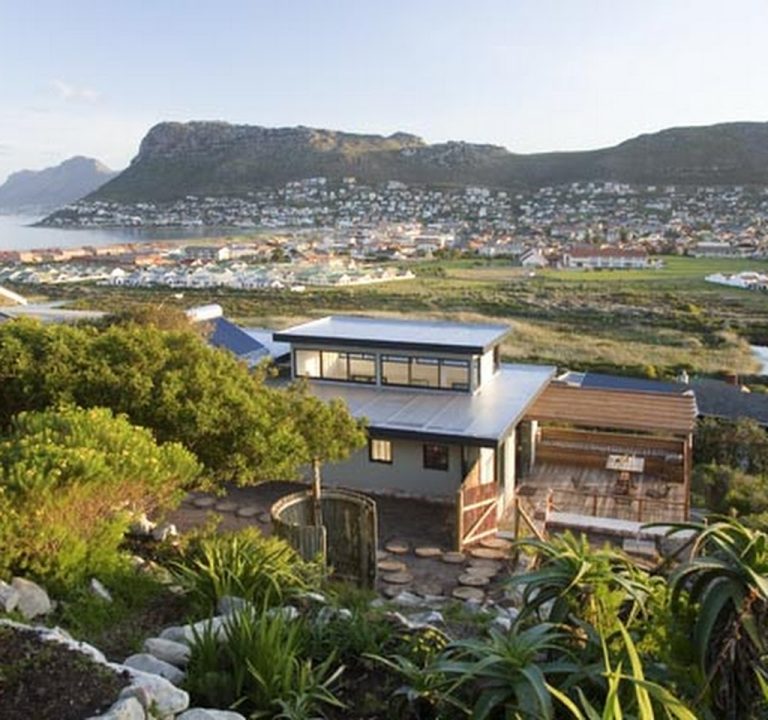
Perched on the mountainside above the Atlantic coastline, 64 on Clovelly offers a distinctive stay in a purpose‑designed studio suite that is ideal for a couple or a small family with two children who are happy to share the space. The accommodation presents a clean, thoughtfully styled interior that combines comfort with a sense of place, delivering a retreat that feels both intimate and inspiring.
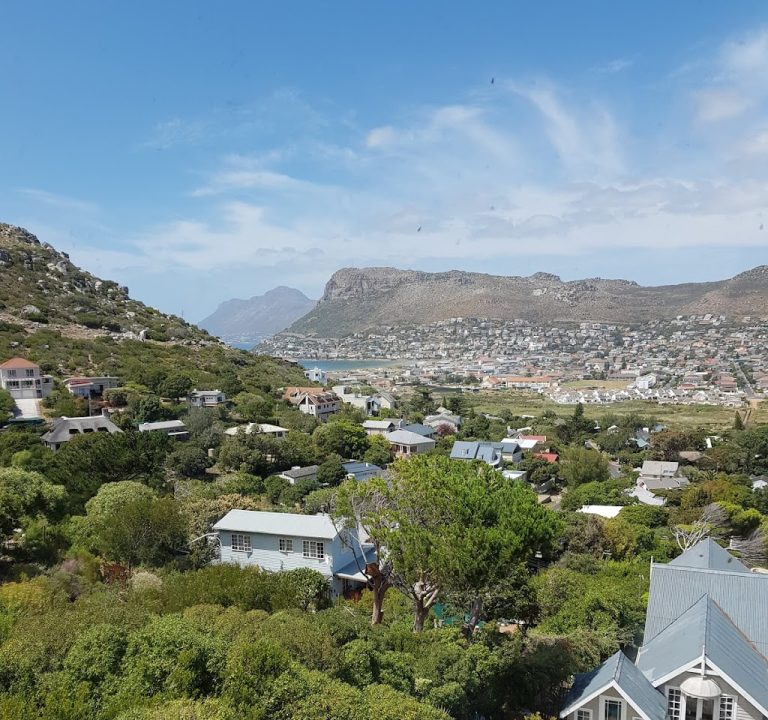
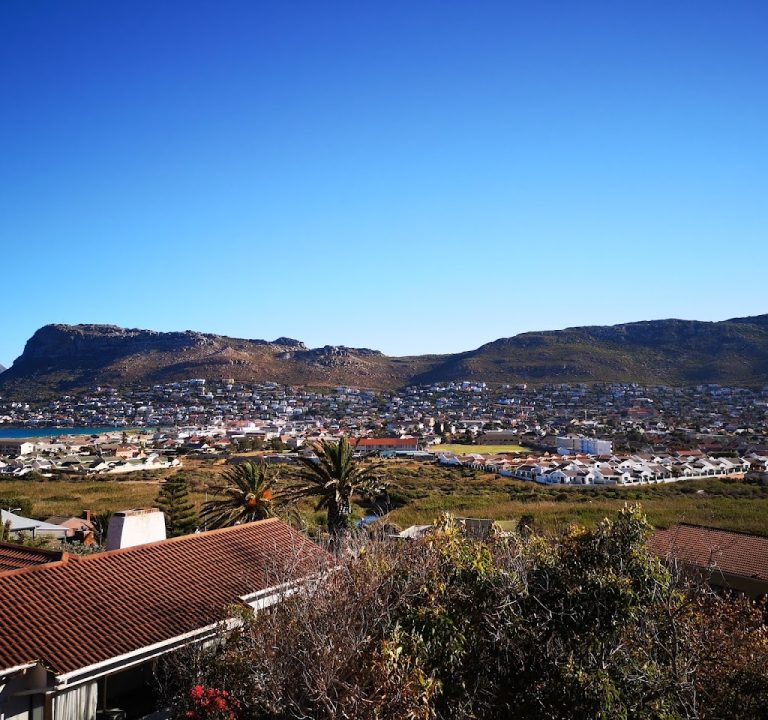
Access to the studio is part of the experience itself, with entry via a sequence of stone stairs followed by a wooden staircase. This ascent delivers a sense of arrival to a tranquil vantage point where the landscape unfurls in front of the balcony and windows. The interior is arranged to maximise the scenery, with large viewpoints framing the False Bay panorama, stretching towards Simonstown, and offering occasional glimpses of the Clovelly Golf Course and the iconic Chapman’s Peak. The design encourages quiet moments to soak up the sea, sky, and headland textures that characterise this part of the Cape Peninsula.
The property is surrounded by a multi‑terraced indigenous garden that showcases native flora and creates a natural, serene setting for outdoor time. A braai (barbeque) area provides a social focal point for al fresco meals and relaxed evenings, ideal for guests who enjoy cooking outdoors and sharing a sunset together on the terraces. The outdoor space is harmoniously integrated with the views, allowing guests to unwind while listening to coastal breezes and birdlife.
One of the distinctive features of 64 on Clovelly is its energy approach. The studio is powered by solar energy, stored in an inverter, which helps ensure that the home remains functional and comfortable even during power cuts. This sustainable setup aligns with travellers who value environmental responsibility and a quieter, off‑the‑grid ambience without compromising comfort.
Hosted by Sasha and Martin, the property benefits from attentive, low‑key hospitality that aims to make guests feel welcome without intrusion. The hosts’ approach tends to emphasise a sense of place and a calm, well‑maintained space that guests can rely on for a restful stay after days spent exploring the surrounding coastline and hills.
64 on Clovelly is best suited for travellers seeking a peaceful base from which to enjoy sweeping sea views, easy access to hiking or coastal drives, and a compact, well‑equipped living space. The studio’s open layout makes it comfortable for a couple, and it can accommodate a family with two children who are prepared to share the space. The emphasis is on comfort, privacy, and a strong connection to the natural setting rather than large‑scale hotel facilities.
Nearby highlights include the dramatic False Bay coastline, moments of unobstructed view across the water, and the surrounding Cape Town landscape that frames Chapman’s Peak Drive. The location is within reach of the charming coastal towns and beaches around Fish Hoek and Kalk Bay, while Clovelly and its golf course can be part of a day’s plan for those who enjoy leisure activities or a scenic stroll along the coastline. Nature lovers and photographers will notice the abundant opportunities to capture sunlit mornings, golden evenings, and the maritime atmosphere that makes this stretch of the Atlantic so distinctive.
Booking a stay at 64 on Clovelly offers a straightforward, pared‑back experience focused on comfort, scenery, and easy access to Cape Peninsula sights. The on‑site features—indigenous garden space, a dedicated braai area, and the self‑contained studio—support a relaxed routine without the bustle of larger properties. For potential guests, it is worth checking the availability for preferred dates via the booking link provided on the official website to confirm rates, inclusions, and any seasonal variations.
- Studio‑style accommodation for a couple or a small family
- 180‑degree sea views over False Bay towards Simonstown and Chapman's Peak
- Indigenous, terraced garden and outdoor braai area
- Solar‑powered energy system with inverter backup
- Access via stone and wooden stair routes, offering a cliffside ambience
- Quiet, design‑forward interiors with a focus on natural light and vistas
- Close enough to explore False Bay’s coastline and coastal towns
For travellers considering a stay, a helpful tip is to review the booking page to confirm what dates are available and to understand any seasonal changes in light, temperature, or access. The property’s website also highlights its recognition, such as a Certificate of Excellence award for Fish Hoek accommodation, which may provide additional insight into its standing in the local guest‑experience community. The official site offers direct access to booking information and further details about the ethos and setting of 64 on Clovelly, with links available to plan a visit and secure a stay that aligns with the preferred travel style. Visitors can explore the dedicated booking page to check availability and proceed with a reservation. https://64onclovelly.co.za/book-now
Cape Town
Western Cape
7975
South Africa


Exploring Cape Town: Where to stay and what to do
Cape Town, set against the dramatic backdrop of the Table Mountain massif and edged by the Atlantic coastline, offers a wide range of accommodation to suit every traveller. Whether you prefer a cosy B&B tucked into the hillside, a stylish guesthouse near the harbour, or a self-contained apartment with panoramic sea views, planning a stay in the Western Cape can be part of the adventure itself. This guide highlights where to stay, what to look for when booking, typical amenities, transport options, best times to visit, and practical tips to help you make the most of your visit.
When choosing a base, consider the neighbourhoods that align with your plans. For easy access to beaches and the city’s famed sights, places along the Atlantic Seaboard or the Atlantic coast offer striking ocean vistas and quick routes to Cape Town’s iconic landmarks. If you prefer a tranquil retreat with a more residential atmosphere, a mountaintop or hillside location can provide quiet sunrises and dramatic views, often with easy access to hiking trails. The southern peninsula and False Bay regions offer a more relaxed, village-like vibe with proximity to nature reserves and coastal paths.
Accommodation options vary from intimate B&Bs and guesthouses to boutique hotels and self-catering studios. A stay at a well-run B&B can feel like a home away from home, with hosts who can share local tips, restaurant recommendations, and guided experiences. For example, a studio suite perched on the mountainside, featuring a private entrance, stunning 180-degree views over False Bay, and a terraced garden, can provide a memorable base for exploring the region. Some properties are powered by sustainable energy sources, offering peace of mind during power shortages while keeping the stay feel authentic and off the grid in practical ways.
Typical amenities to look for include a comfortable bed, en-suite bathroom, reliable Wi‑Fi, and secure parking or convenient public transport links. If you plan to cook, a well-equipped kitchenette or access to outdoor cooking facilities such as a braai (barbecue) area can be a plus. For families, look for flexible sleeping arrangements and quiet spaces to accommodate children, while couples may prioritise views, a private patio, and a cosy living area. Proximity to stores, cafés, and restaurants is useful, but many guests also value on-site or nearby access to outdoor spaces, such as sheltered terraces or garden dining areas.
Transport options in Cape Town are diverse. Many visitors rely on a combination of Uber or ride-hailing services, rental cars for exploring the wider Western Cape, and public transport for city sights. If you stay in a hillier area, confirm parking arrangements and access routes, particularly if the accommodation involves steps or mountain paths. Some guesthouses offer shuttle services or arranged tours; these can be a convenient way to visit attractions while avoiding parking concerns.
The best time to visit Cape Town depends on what you want to do. The summer months (roughly December to February) are popular for beaches and outdoor activities, with long days and warm seas. Autumn (March to May) offers cooler temperatures and fewer crowds, while spring (September to November) provides a vibrant display of flowers and pleasant hiking weather. If your trip centres on wildlife or chef-led food experiences, plan around the seasonal rhythms of the area and pre-book activities where possible, as popular experiences can fill quickly during peak periods.
When planning a visit, practical tips can smooth the journey. Book your stay with an understanding of what is included in your rate—some properties offer breakfast or self-catering facilities, while others provide access to common rooms or outdoor spaces. Check accessibility and whether paths or stairs are involved if mobility is a consideration. If you’re exploring in peak season, consider flexibility with arrival times and check-in procedures, and confirm cancellation policies in case plans change. Pack appropriate layers for changeable coastal weather, sun protection for long days outdoors, and a light rain jacket for the occasional shower.
Alongside accommodation, Cape Town’s attractions and dining scene offer endless possibilities without requiring a rigid itinerary. You can enjoy breathtaking coastal drives, scenic viewpoints, and nature reserves, together with vibrant markets, waterfront promenades, and a thriving culinary culture. In addition to well-known landmarks, seek out neighbourhood dining and casual eateries where locals gather for meals, seasonal menus, and fresh, regional produce. For a balanced visit, consider pairing days of sightseeing with relaxing evenings in a comfortable base, whether that means watching the sunset from a balcony, grilling on a terraced garden, or enjoying a quiet moment with a drink while admiring panoramic harbour or ocean views.
For those seeking a specific example of a stay with a distinctive character, consider a bed & breakfast retreat such as 64 on Clovelly. This kind of property embodies the regional charm—an aesthetically designed studio space suitable for couples or small families, perched on the mountainside with expansive sea views and outdoor seating areas. It offers a sense of place that complements the surrounding landscapes and provides a comfortable launchpad for discovering Cape Town and its environs. For more information, you can visit the property’s website to explore availability and features relevant to your travel dates.
- Areas to consider: Atlantic Seaboard, City Bowl, Constantia, Camps Bay, Hout Bay, False Bay coastal towns, or a hillside setting with coastal vistas.
- What to look for when booking: authentic local hosts, clear cancellation policies, inclusive amenities, accessibility, and proximity to transport or attractions.
- Typical amenities: private or en-suite bathrooms, Wi‑Fi, comfortable beds, heating, parking, and outdoor spaces.
- Transport tips: plan for Uber or car hire, confirm parking if driving, and check access routes for hillside properties.
- Best time to visit: aim for shoulder seasons to balance weather and crowds, with summer offering peak beaches and outdoor activities.
With thoughtful planning, your Cape Town stay can blend comfortable accommodation, convenient transport, and rewarding experiences. Let the property hosts guide you to the best local diners, hidden beaches, and scenic trails, so you can craft a trip that feels both effortless and authentically Cape Town.
Sorry, no records were found. Please adjust your search criteria and try again.
Sorry, unable to load the Maps API.
Why Claim Your Listing?
Claiming your listing on the B&B Finder directory website is a valuable opportunity for business owners. Here are five reasons why you should consider claiming your listings:
Control Over Business Information: By claiming their listing, business owners can ensure that all the information presented is accurate and up-to-date. This includes details such as contact information, address, pricing, and available services or amenities. Accurate information helps prevent customer confusion and improves overall satisfaction.
Enhance the Listing: Once a listing is claimed, owners can enhance it by adding more comprehensive information and rich media, like high-quality photos and videos. These additions can make the listing more attractive and engaging to potential customers, thereby increasing the likelihood of bookings.
Marketing Opportunities: Claiming a listing can also open up additional marketing opportunities. Owners may be able to participate in promotional campaigns, special offers, and other marketing activities organized by the directory. This can increase visibility and attract more customers to the business.