Where to stay in Cape Town and how to make the most of your visit
South Africa’s iconic city by the sea offers a diverse mix of accommodation, from intimate guest houses to stylish hotels and self‑catering apartments. When planning a stay in Cape Town, consider what you want to weave into your itinerary: city sights, beaches, wine country, or hiking adventures on the surrounding mountains. The right mix of neighbourhoods, transport convenience and practical amenities can transform a stay into a relaxing, well‑paced adventure.
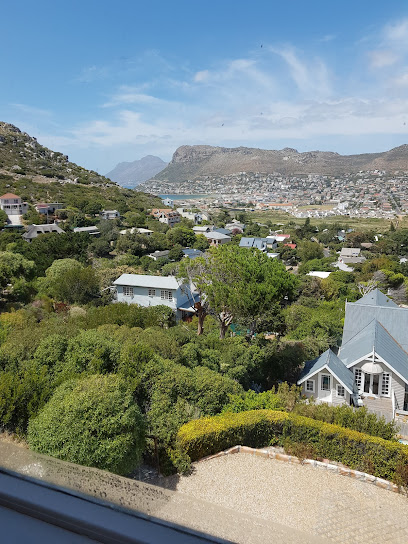
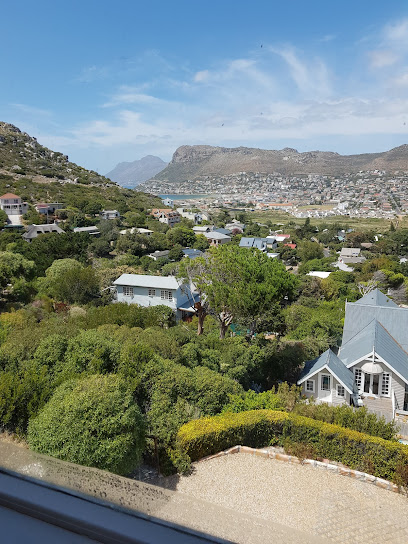
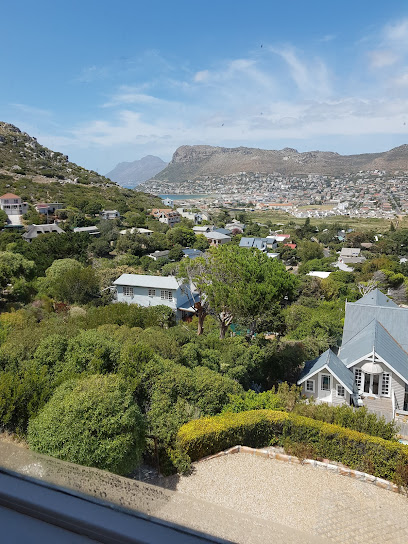
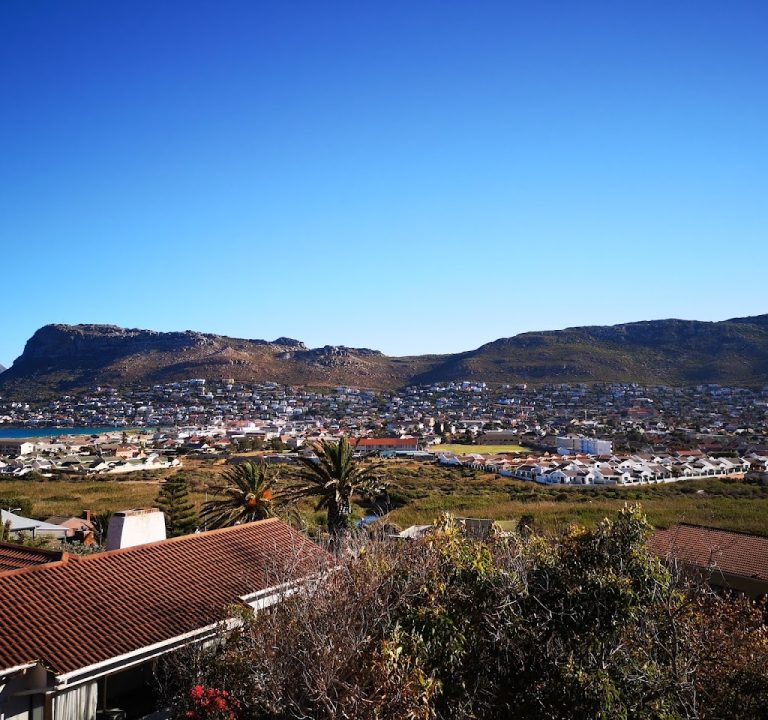
First, think about the areas. The City Bowl and the inner suburbs provide easy access to museums, galleries, top restaurants and a vibrant nightlife, while the Atlantic Seaboard and the Victoria & Alfred Waterfront deliver stunning coastal views and a strollable promenade. For a countryside backdrop within reach of the city, Constantia Valley offers quiet wine routes and leafy estates, and the southern suburbs around Kalk Bay and Muizenberg provide a maritime atmosphere and wave‑watching beaches. If you prefer a peaceful retreat with a village vibe and hillside vistas, a guest house in Clovelly or nearby coastal pockets can offer a relaxed base with a touch of local character.
Accommodation types vary, but a guest house such as Clovelly Fairways typically emphasises a friendly, homely atmosphere with a personalised touch. Look for en‑suite rooms, a continental or cooked breakfast, on‑site parking, and reliable Wi‑Fi as standard. Some properties boast private terraces, pool areas, or garden spaces where you can unwind after a day of sightseeing. For longer stays, self‑catering options or small suites with kitchen facilities can add flexibility, while a central location makes it easier to pair days of exploring with leisurely meals or a quiet sunset stroll.
Booking with comfort and practicality in mind means weighing a few practical considerations. Proximity to public transport is worth its weight in saved time and quiet nerves. The city’s MyCiTi bus network and local trains offer economical routes between popular districts, with rideshare options commonly available for late evenings. If you’re driving, confirm parking arrangements in advance, especially in busier areas where on‑street spaces may be limited. Noise levels are another factor—inner‑city properties may be close to bars or streets, while hillside or suburban guest houses often enjoy a calmer ambience and better sunrise views.
When it comes to planning the stay itself, Cape Town shines across seasons, but timing can influence crowds and coastal weather. The warm, dry season from late spring through autumn (roughly September to April) tends to offer more predictable beach days and longer daylight hours. However, even in winter you can enjoy milder spells, dramatic skies, and fewer crowds at certain attractions. If your visit centres on wine tasting, book well in advance for popular estate tours, and if you’re drawn to nature, set aside mornings for Table Mountain or Kirstenbosch Botanical Garden, when conditions are often best for walking and photography.
Practical planning tips to enhance your visit:
- Choose a base near your planned activities. A stay near the City Bowl or V&A Waterfront offers convenient access to museums, dining and harbour views, while a stay further along the Atlantic Seaboard gives easy beach access and scenic coastal walks.
- Confirm inclusive amenities. A good breakfast can save time in the morning, and secure on‑site parking reduces daily stress if you’re driving.
- Factor safety and accessibility into your packing. Bring a light rain jacket for changeable coastal weather and comfortable walking shoes for uneven paths or coastal trails.
- Plan dining as a complement to sightseeing. Cape Town’s dining scene spans casual eateries to refined restaurants; it’s often worth reserving a few meals in advance, particularly during peak tourist periods.
- Respect local norms and tides. If you head to beaches or harbour areas, follow local guidance and be mindful of tides and wind conditions, especially along more exposed coastlines.
For activities beyond the city’s core sights, consider day trips that showcase South Africa’s natural variety. You could explore Cape Town’s coastal outlooks, hike a section of the Table Mountain National Park, or venture to Constantia’s wine estates for a relaxed afternoon of tastings and scenery. The Cape Peninsula, with its rugged Atlantic coast and panoramic viewpoints, makes for memorable drives and photo opportunities, while the Cape Malay Quarter offers a cultural contrast with markets and heritage architecture that enrich a longer stay.
When searching for accommodation, readings of guest reviews and property descriptions can help you compare what different places prioritise—whether it’s family‑friendly spaces, tranquil garden settings, or stylish, modern rooms with sea or mountain views. Remember to check the distance to your planned routes and the availability of nearby dining options, grocery stores, and pharmacy services. A well‑positioned guest house with thoughtful amenities can be the ideal hub for a relaxed Cape Town itinerary—giving you room to unwind, strategise tomorrow’s adventures, and feel at home in this vibrant coastal city.