Accommodation and Attractions in Cape Town: Where to Stay and What to Do
Cape Town is a city of contrasts, offering stylish boutique stays, coastal lodges, city-centre apartments and family-friendly guesthouses. When planning a visit, think about the neighbourhoods that suit your pace, the style of accommodation you prefer, and how you intend to move around. Whether you want dramatic sea breezes on the Atlantic Seaboard, hillside tranquillity in Constantia, or easy access to the buzz of the City Bowl, there are options to match every travel style and budget.
Areas to consider
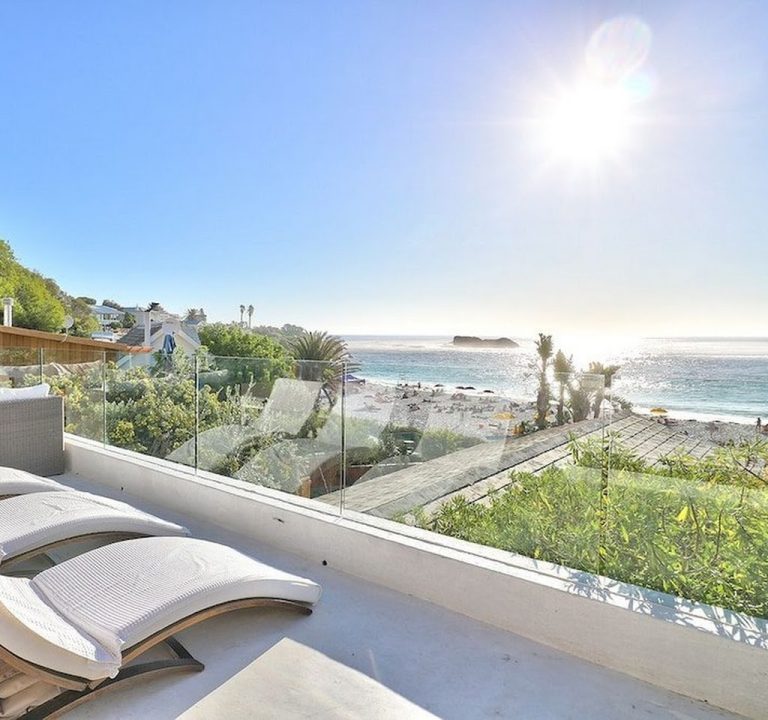
Atlantic Seaboard and Clifton/Sea Point: If you crave ocean views and quick beach access, look for properties along the Atlantic Seaboard or near Clifton, Camps Bay and Sea Point. These areas are ideal for morning walks along the promenade, sunset drinks, and convenient access to coastal paths. Many lodgings here offer balconies or terraces with sea glimpses and a bright, airy vibe.
Green Point and the City Bowl: For travellers who want to be close to restaurants, nightlife and major sights, consider accommodation in Green Point, the V&A Waterfront area, or the City Bowl. These neighbourhoods often provide stylish, compact rooms, easy walking access to cafés, markets and cultural attractions, and straightforward public transport links.
Constantia and the Southern Suburbs: If you prefer a quieter setting, look to Constantia or nearby suburbs. Here you’ll find guesthouses and boutique properties surrounded by gardens and vineyards, offering a peaceful base for day trips to the Winelands or Kalk Bay and Muizenberg.
De Waterkant and the inner city: For travellers who enjoy a compact footprint with restaurants, design shops and easy access to tours, De Waterkant and adjacent precincts offer modern apartments and stylish guesthouses within a short stroll of the waterfront and major sights.
What to look for when booking
- Location relative to your planned activities. Consider traffic patterns and access to MyCiTi buses, trains or parking if you’re renting a vehicle.
- Room layout and privacy. If you are travelling as a couple, a well-designed ensuite room with good natural light can make a big difference. For families, check for separate bedrooms or larger suites.
- Amenities and flexibility. Look for reliable Wi‑Fi, on-site parking, self-catering facilities if needed, and flexible check-in/out options. A place with a small kitchenette or access to a shared living area can be very practical.
- Safety and security. Prioritise properties with good entry controls, clear exterior lighting and secure access, especially if you’ll be out late or arriving after dark.
- Character and style. Cape Town offers everything from chic contemporary apartments to historic guesthouses with period features. Choose a look that enhances your stay and fits your budget.
- Reviews and transparency. Look for hosts or management teams who respond promptly, provide honest descriptions of rooms and facilities, and offer clear cancellation policies.
Typical amenities and what to expect
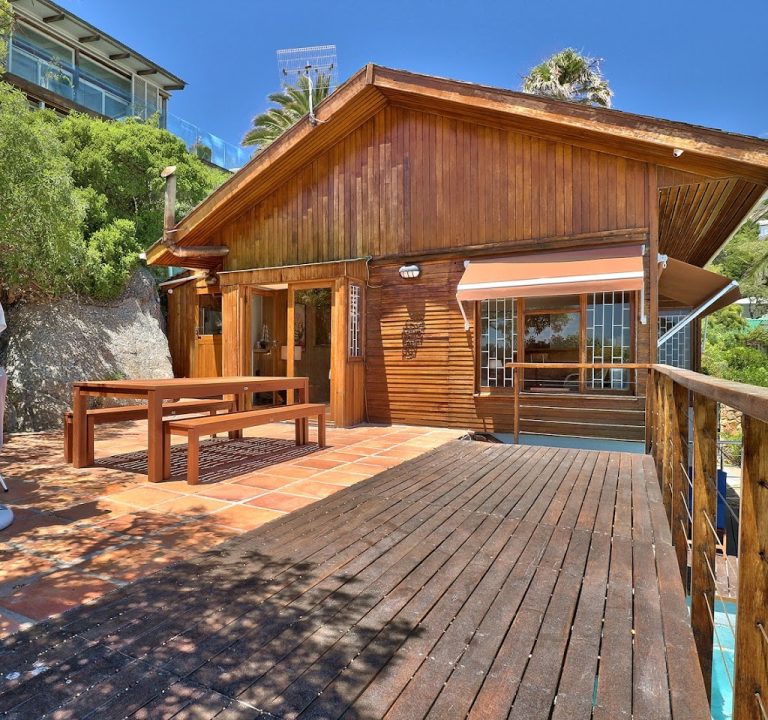
Most stays in Cape Town deliver clean, comfortable rooms with en-suite bathrooms, quality linens and daily housekeeping where available. You’ll commonly find air conditioning or portable cooling, reliable Wi‑Fi, coffee and tea facilities, and access to shared lounges or outdoor spaces. In many areas, self-catering studios and kitchenettes are popular, offering flexibility for breakfast in or a quick meal before day trips. Outdoor spaces—balconies, verandas or courtyards—are highly valued for enjoying mountain or sea views and the temperate climate.
Transport and getting around
Public transport is part of Cape Town’s charm. The MyCiTi bus system is practical for city-centre explorations and routes to beachside areas. The train network connects from central hubs to surrounding suburbs and nearby wineland towns, though schedules can be less frequent in evenings. If you’re planning several day trips to the Cape Winelands, nature reserves or coastal towns, renting a car is a convenient option. Many lodgings offer parking, while others provide partnerships with trusted transfer services. For short hops, ride-hailing apps are widely available, and most hosts will be able to advise on the best local routes and safety tips.
Best time to visit and practical planning tips
South Africa’s seasons offer different appeal. Cape Town summers (roughly November to February) are warm and lively, with long days ideal for beaches and outdoor markets. Autumn (March to May) brings cooler temperatures and quieter crowds, often with superb visibility from Table Mountain. Winter (June to August) is typically mild but can be windy and rainy, making indoor attractions and vineyard visits appealing alternatives. Spring (September to November) brings blossoming gardens and pleasant days for hiking and city tours.
Practical tips to make the most of your stay:
- Book accommodation with clear information on parking, security and access times, especially if you’re arriving late.
- Check the property’s policy on daily housekeeping, laundry, and self-catering facilities to match your needs.
- Pack layers for changeable weather. A light rain jacket and comfortable walking shoes are useful year-round.
- Plan a mix of iconic sights and neighbourhood strolls to experience local life beyond the main attractions.
- Respect local safety guidelines and be mindful of valuables when visiting busy areas or beaches.
Attractions and experiences in general terms
Cape Town offers a wealth of experiences from natural scenery to cultural venues. Iconic natural settings include iconic viewpoints and coastal trails that reward visitors with dramatic panoramas. Cultural experiences span museums, markets, and galleries that reflect the city’s diverse heritage. For day trips, consider the nearby winelands, botanical gardens, and coastal routes that lead to seaside towns with charming dining options. Dining in Cape Town is wonderfully varied, from relaxed bistros to refined eateries that celebrate African and global flavours. In choosing activities, balance must‑see sights with leisurely moments on a terrace, by a pool, or along a seaside promenade to capture the full Cape Town experience.
For planning and inspiration, consult official tourism resources and current guides. A good starting point is the city’s visitor information pages and regional tourism sites, which offer practical maps, suggested itineraries and area highlights. If you’re staying near Clifton 75 or similar indoor lodging options, you’ll typically enjoy convenient access to a base from which to explore the city’s range of attractions and eateries. For more ideas and practical planning, see https://www.capetown.travel/.