Clifton 3rd Beach is a Attractions establishment in Cape Town, Western Cape, South Africa
Clifton 3rd Beach, Cape Town – At a Glance
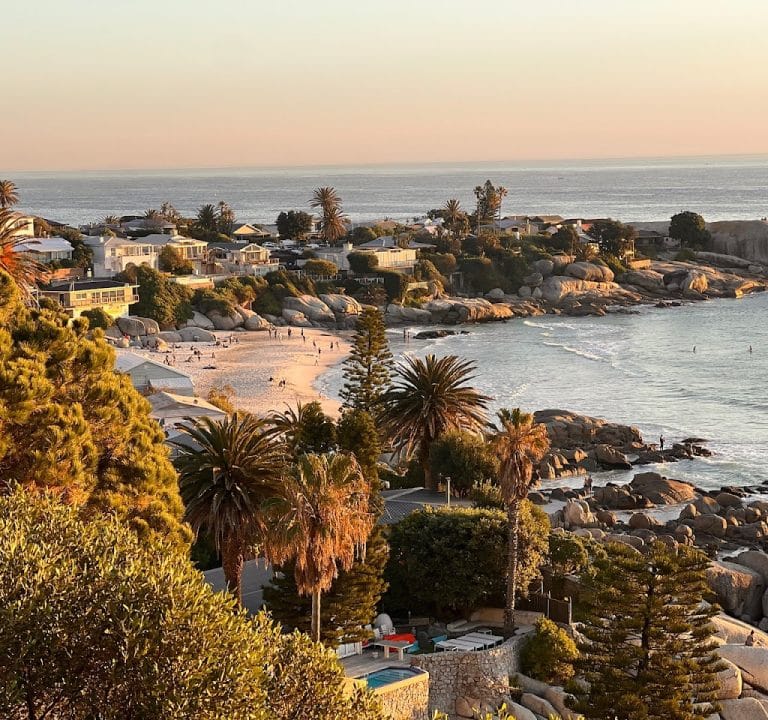
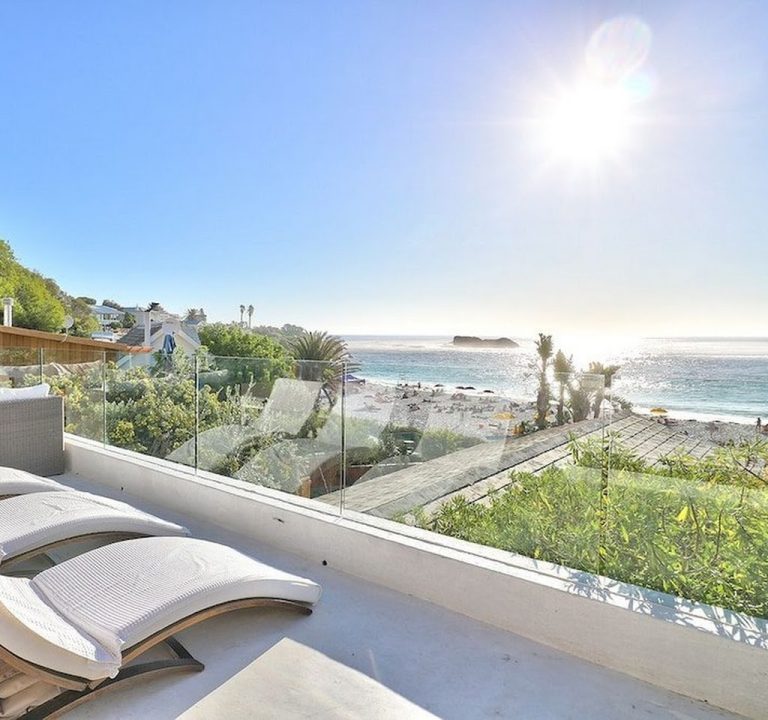
Clifton 3rd Beach sits along the storied Atlantic coastline of Cape Town, a short harbour of white sand framed by the rugged scenery that characterises the city’s most renowned shorelines. As part of the Clifton cluster, this particular strand is celebrated for its sun-kissed sands, panoramic ocean outlooks, and a relaxed, family-friendly atmosphere that draws beachgoers and hikers alike. While the official city page provides the essential context for Clifton as a public recreation facility, the surrounding Clifton neighbourhood is frequently accessed by visitors seeking a quintessential Cape Town seaside experience.
Visitors exploring Clifton 3rd Beach should expect a coastal environment that prioritises natural beauty and open space. The beach is part of a series of coves along the Clifton shoreline, offering viewpoints across the Atlantic and a backdrop of dramatic cliffs. The emphasis is on outdoor enjoyment, whether it is basking in the sun, cooling off with a dip in the sea, or simply strolling along the sandy expanse. The site notes that these facilities are maintained by the city, underscoring a commitment to safe, well-managed public beaches within the metropolis.
Accommodation surrounding Clifton and the broader Cape Town area ranges from stylish coastal stays to family-friendly options that benefit from proximity to a renowned beachline yet remain within easy reach of the city’s urban landmarks. While specific details about Clifton 3rd Beach’s on-site amenities or lodging types are not published on the source page, Clifton’s appeal to visitors is clear: a setting where guests can combine beach days with easy access to the city’s diverse attractions. For travellers seeking a place to stay, the emphasis tends to be on locations that offer convenient access to both the waterfront and a wider suite of Cape Town experiences.
The Clifton beaches, including 3rd Beach, are positioned within a landscape that invites sun-worshippers and explorers alike. The surrounding area provides opportunities for scenic walks along the coastline, with vistas that capture the dramatic interplay between rock, water and sky. While the official page primarily serves as a public facility reference, its presence signals a well-regulated environment designed for day trips and casual seaside enjoyment, rather than a dedicated hotel or resort experience.
Because the linked official page does not publish granular details such as specific amenities, room types, or on-site facilities for Clifton 3rd Beach itself, readers are advised to treat the beach as a classic public recreation area. The information available highlights the broader framework of municipal beaches within Cape Town, and points to a broader city ethos of maintaining accessible outdoor spaces for residents and visitors alike.
For travellers who are planning a stay in the area, Clifton’s coastal character offers a compelling backdrop to day trips and excursions. The city’s official resources provide a starting point for understanding how Clifton beaches fit into the wider Cape Town experience, including safety guidelines, access points and general beach etiquette. The surrounding neighbourhoods deliver a mix of accommodation options, from contemporary stays to guesthouses and boutique stays that suit different budgets while keeping a focus on proximity to the Atlantic coastline.
Booking and travel tips for Clifton 3rd Beach and the Clifton area include prioritising a location with convenient access to public transport or sufficient parking, especially during peak season. Visitors might consider staying in options that balance beach access with easy routes to central Cape Town, the V&A Waterfront, and other coastal sights. Outside peak periods, the area offers a more relaxed pace while still presenting a striking coastal skyline and opportunities for leisurely exploration along the sand and along the rocky headlands at the edge of the city.
Nearby highlights and experiences beyond the shore include a cluster of beaches along Clifton’s shoreline, each offering its own character and views. While Clifton 3rd Beach is chiefly a sun and sea destination, the broader Cape Town area is rich with acclaimed attractions, including Table Mountain, the Kirstenbosch Botanical Garden, vibrant markets, and an array of excellent dining and cultural venues. For travellers seeking a balanced itinerary, a day at Clifton can be paired with sightseeing, wine routes, and coastal drives that showcase the region’s natural beauty and urban energy alike.
- Iconic Atlantic coastline with dramatic views and clean sands
- Public beach facilities maintained by the City of Cape Town
- Close proximity to other Clifton beaches and central Cape Town attractions
Practical tips include checking local updates for any beach-specific access information, sun safety, and water conditions before planning a swim. Given that the official page operates as a public facility portal, it serves as a gateway to understanding how Clifton beaches are managed within the city’s wider recreational framework. Visitors are encouraged to combine beach time with exploration of nearby neighbourhoods, dining options and day trips to maximise the Cape Town experience while staying mindful of seasonal crowds and weather variations.
Further information and official guidance can be found through the City of Cape Town’s site, which hosts the public-facing details about Clifton 3rd Beach and other recreational facilities. Links to related city pages may provide supplementary context for travellers seeking a comprehensive overview of what Clifton, Cape Town, and the wider Western Cape have to offer.
Cape Town
Western Cape
8005
South Africa

Where to stay and what to do in Cape Town: a practical guide for travellers
Cape Town offers a wealth of accommodation options to suit all budgets and styles, from stylish boutique guesthouses tucked into historic neighbourhoods to modern hotels with sweeping views of the Atlantic. When planning a stay, consider which neighbourhood best reflects the kind of experience you want, how easy it is to access major sights, and the rhythm of daily life you’d like to enjoy. The city’s setting between the mountain and the sea means every area has a distinct character, so choosing wisely can greatly enhance your visit.
Popular areas to consider include the V&A Waterfront and the central business district, which provide convenience for dining, shopping and museum visits, while the Atlantic seaboard towns of Camps Bay and Clifton offer beachside ambience and sunsets. Green Point and Sea Point are excellent for those who want a lively mix of walks, cafés and easy access to the Atlantic coast, while the historic Bo-Kaap and Table Mountain surroundings cater to guests who enjoy culture, colour and close proximity to iconic viewpoints. For a more relaxed, coastal village feel, Constantia or Hout Bay can be ideal, with wine farms and seafood spots nearby.
When booking, look for properties with clear room descriptions, photos that show the actual spaces, and honest reviews. Pay attention to the following amenities and features: reliable Wi‑Fi, air conditioning or heating, secure access, and on-site parking if you plan to hire a car. A continental breakfast or the option to prepare simple meals can be a practical perk, as can a guest lounge, outdoor spaces, and a friendly front desk that can help with local tips and bookings. If you prefer a self-catering stay, ensure the kitchen is well equipped and that the property is within a reasonable distance to your chosen neighbourhood hub.
Accommodation in Cape Town often falls into guesthouses and boutique hotels, which tend to offer more personalised service and character, as well as modern hotels that prioritise comfort and convenience. For families, family‑friendly rooms and easy access to beaches or parks are key. For solo travellers or couples, a stylish room with a good bed and thoughtful touches—such as quality toiletries, blackout curtains, and a convenient near-by dining scene—can enhance the experience. Quiet rooms and soundproofing may be worth prioritising in busy parts of the city.
- Areas to consider: central districts (V&A Waterfront, CBD, De Waterkant), Atlantic seaboard (Sea Point, Bantry Bay, Clifton, Camps Bay), southern suburbs (Constantia, Wynberg), and the more residential inner suburbs (Green Point, Woodstock, Observatory).
- Transport access: proximity to MyCiTi bus stops, train lines, or reliable rideshare options; easy parking if you plan to explore with a car; walkability to eateries and sights.
- Typical amenities: strong Wi‑Fi, parking options, self‑ catering facilities, on-site dining or easy access to nearby restaurants, and practical features such as lifts for luggage and easy access to main routes to the Table Mountain and coastal vistas.
One of the city’s greatest draws is its proximity to natural beauty and wildlife experiences. A ride or hike up Table Mountain offers panoramic views of the city and sea, while the Cape Peninsula route allows for dramatic coastal scenery and the chance to see native fynbos. On the beaches, Clifton’s famous pockets provide sun-washed sands and blue waters, though they can be busy in peak season. For a more relaxed day, visiting a wine estate in Constantia or the scenic Cape Winelands beyond the city limits is a popular option for many travellers.
Dining in Cape Town ranges from casual cafés with South African bakery favourites to sophisticated restaurants celebrating seafood, game, and modern fusion cuisine. When planning meals, it helps to check whether your accommodation offers recommendations or booking assistance. Many visitors enjoy trying a mix of casual eateries and more refined outings, with table bookings especially useful in peak seasons and weekends. If you are spending time in the V&A area, you can expect a lively dining scene within easy reach of most hotels and guesthouses, with a broad choice of cuisines and price points.
Practical tips to help you plan a smoother stay include budgeting for travel between sights and meals, noting that some areas can be hilly and windy. Pack a light jacket for evenings and a hat for sunny days, and plan a flexible itinerary to accommodate afternoon weather changes or seasonal events. It is wise to arrange airport transfers or familiarise yourself with MyCiTi routes ahead of time, and to keep a photo or digital copy of your travel documents secure. If you are visiting Clifton or another coastal area, check current beach access rules, tide times, and safety guidelines before heading out for a day by the sea.
For official information on city facilities and beaches, including Clifton 3rd Beach, you can visit the city’s official pages and related resources. These sources provide practical guidance on planning visits, accessing facilities, and discovering recreational offerings in and around the city: Clifton 3rd Beach and broader municipal guides accessible through the city’s website. While exploring, remember that Cape Town’s charm often lies in stumbling upon a recommendation from a friendly local—an offbeat café, a quiet coastal path, or a hidden courtyard that makes your stay feel uniquely yours.
Sorry, no records were found. Please adjust your search criteria and try again.
Sorry, unable to load the Maps API.
Why Claim Your Listing?
Claiming your listing on the B&B Finder directory website is a valuable opportunity for business owners. Here are five reasons why you should consider claiming your listings:
Control Over Business Information: By claiming their listing, business owners can ensure that all the information presented is accurate and up-to-date. This includes details such as contact information, address, pricing, and available services or amenities. Accurate information helps prevent customer confusion and improves overall satisfaction.
Enhance the Listing: Once a listing is claimed, owners can enhance it by adding more comprehensive information and rich media, like high-quality photos and videos. These additions can make the listing more attractive and engaging to potential customers, thereby increasing the likelihood of bookings.
Marketing Opportunities: Claiming a listing can also open up additional marketing opportunities. Owners may be able to participate in promotional campaigns, special offers, and other marketing activities organized by the directory. This can increase visibility and attract more customers to the business.