Cape Town: Accommodation, attractions and practical planning for a memorable stay
Cape Town sits on a dramatic bend of the South African coastline, where ocean, mountain and neighbourhoods blend into a kaleidoscope of experiences. When planning a stay, consider how you want to balance scenery, culture and convenience. The city offers a broad spectrum of accommodation, from boutique guesthouses tucked into the colourful lanes of historic districts to purpose‑built stays near the harbour or along the Atlantic seaboard. For groups seeking shared spaces or a central base, there are larger options that combine communal living with easy access to major sights. A practical starting point is to map your priorities: proximity to attractions, access to reliable public transport, and the kind of neighbourhood atmosphere you prefer.
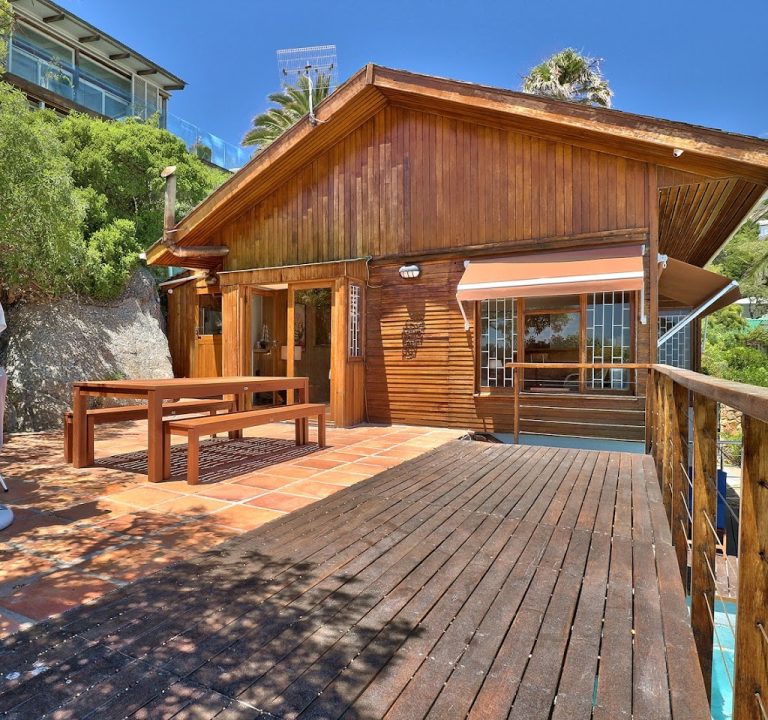
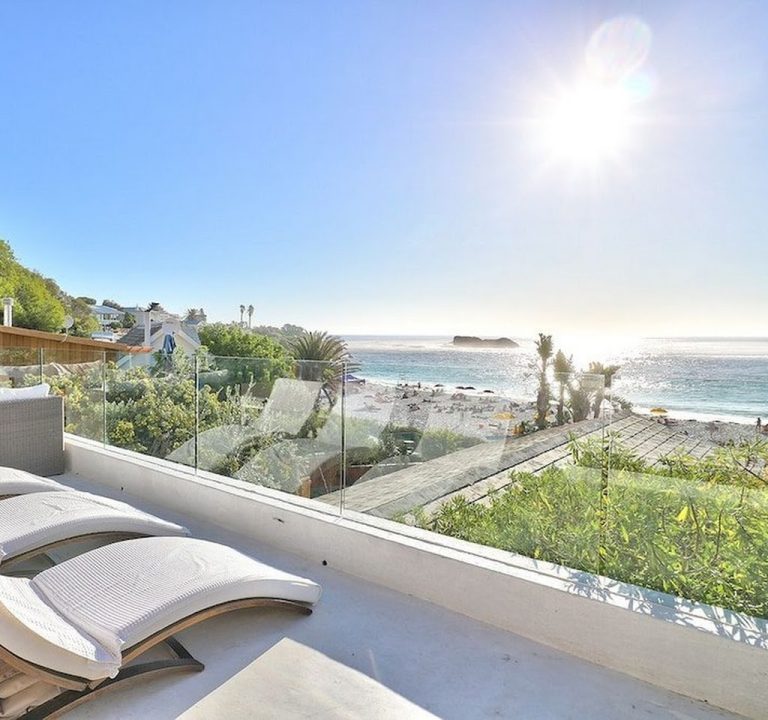
Key areas to consider include the city bowl and the central business district for convenience and dining, the historic Bo-Kaap with its steep streets and colourful homes, the V&A Waterfront for waterfront views and activity, and the Atlantic Seaboard towns such as Sea Point and Camps Bay for sea breezes and sunset scenery. If you’re keen on wine country, Constantia offers verdant estates and a quieter pace a short drive from the city centre. For families and large groups, look for options advertised as group accommodation that can provide flexible room configurations and communal spaces, such as shared lounges or kitchens. A note on SEAHAVEN as a potential choice: a group‑friendly option may exist that emphasises togetherness while still offering privacy where needed.
What to look for when booking a place to stay in Cape Town is as important as your itinerary. Check the following before confirming a stay:
- Room configuration and sleep quality (ensuite facilities, quiet rooms, and the option for extra bedding).
- Access to outdoor spaces, particularly if you plan to drive less and spend time exploring on foot or by taxi/ride‑hailing.
- Proximity to transit hubs or major routes that connect you to attractions such as Table Mountain, Robben Island, or the Constantia Valley.
- Security and lighting in common areas, especially in older parts of the city where terrain and stairs can be steep.
- On‑site amenities that suit your needs, like a self‑catering kitchen, laundry facilities, Wi‑Fi, and parking arrangements.
Typical amenities in Cape Town’s accommodation mix often include well‑equipped kitchens or kitchenettes, access to laundry facilities, and common areas designed for socialising or work. Many properties offer complimentary or paid‑for services such as airport transfers, guided tours, or assistance with reservations for restaurants and experiences. If you are travelling with children or seniors, ask about ground‑floor access, lifts where needed, and the availability of cots or high chairs. Several locations also provide bicycle rental or easy access to scenic walking routes along the seafront or through city parks.
Transport in Cape Town is an essential part of planning. The city is relatively compact in places, but hills and sea views mean that some routes are better navigated by car or ride‑hailing services. The MyCiTi bus network covers many popular routes and can be a convenient option for city centre to V&A Waterfront travel. If you’re staying near the Atlantic Seaboard, you’ll likely enjoy a mix of walking, Uber or Bolt trips, and short rides to reach attractions such as the Table Mountain cable car base or the scenic viewpoints along the coast. For longer day trips—such as the cape winelands or the Cape Peninsula drive—consider arranging a private driver or joining a guided tour to maximise comfort and time.
The best time to visit Cape Town depends on what you want to do. Summer (December to February) brings long days, warm seas and lively outdoor life, ideal for beaches and open-air markets. Autumn (March to May) offers mild weather with fewer crowds and excellent conditions for exploring the Table Mountain National Park and coastal walks. Winter (June to August) is cooler and stormier, yet still superb for escape routes to the Constantia wine farms or Cape Point, with a different, rugged beauty. Spring (September to November) is a wonderful balance of flourish, wildlife sightings and comfortable temperatures. Pack layers, a light rain jacket, sun protection and sturdy footwear for hillier areas and nature trails.
Dining and experiences in Cape Town span global cuisines and local flavours, from markets offering fresh produce and street foods to refined restaurants with views over the harbour or ocean. In addition to meals, look into experiences that complement your stay: a scenic drive along the coast, a guided stroll through a historic district, or a seafood outing at a reputable harbour. When booking experiences, consider operators who emphasise sustainable travel, local suppliers and community engagement. It is wise to reserve popular experiences in advance, especially during peak seasons, while leaving some free time to explore hidden corners of the city—from hillside vantage points to artisanal cafes tucked away behind bustling avenues.
Practical tips for a smooth Cape Town stay:
- Bring a universal adaptor and plan for occasional power shifts if you’re staying in older buildings with panelled rooms or historic features.
- Use a reputable transport option for evening outings, particularly in unfamiliar neighbourhoods after dark.
- Research restaurant bookings and dietary needs in advance, as popular spots can fill quickly.
- Check cancellation policies carefully, as weather or road closures can affect plans for day trips or outdoor activities.
Cape Town is a destination that rewards thoughtful planning. By selecting a well‑located base, understanding transport options, and pairing your stay with a mix of iconic sights and local experiences, you can enjoy a comfortable, memorable visit that resonates long after you return home. For inspiration and practical planning, curious travellers can explore official tourism resources and reputable accommodation operators to tailor a stay that suits your group, your pace and your preferred style of travel.