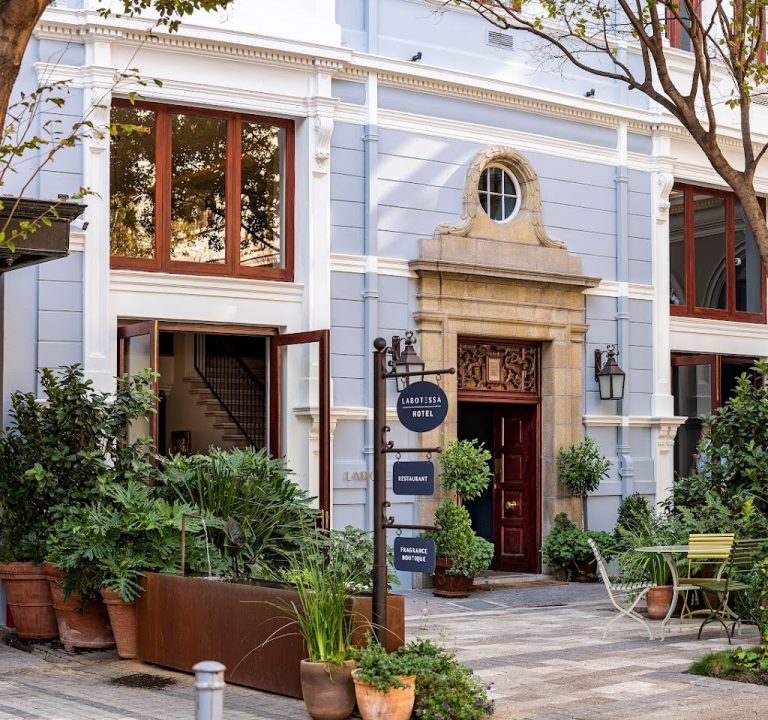
Accommodation and Experiences in Cape Town: Where to Stay and What to Do
Cape Town blends dramatic landscapes with a rich culinary scene, making it a rewarding destination for a stay that combines comfortable lodgings with easy access to world-class attractions. A well-chosen base can shape your itinerary, from scenic coastal walks to vibrant markets and historic neighbourhoods. One notable option is City Chic at The Piazza on Church Square, a guest house that offers a convenient springboard to the city’s many experiences while remaining comfortably homey.
Areas to consider when planning your stay include the following:
- City Bowl and the Central City: Close to daily conveniences, galleries, and a wide range of eateries, this area is perfect for walkers who want to be in the heart of the action and within easy reach of Table Mountain funicular, museums, and lively cafés.
- Waterfront and V&A precinct: A hub for promenades, harbour views, and curated dining. It’s especially suitable for first-time visitors who want a compact, walkable charm with rapid access to waterfront attractions.
- Atlantic Seaboard: Camps Bay, Clifton, and Sea Point offer breezy beach vibes, scenic drives, and upscale dining options. Great for sun, sea, and indulgence, with stylish guest houses and boutique hotels nearby.
- Constantia and the southern suburbs: For a slower pace, wine estates, green scenery, and well-appointed lodges provide a countryside feel without a long journey into the city.
When selecting accommodation, consider the following practical factors to ensure a smooth stay:
- Proximity to transport hubs: While Cape Town has an taxi and rideshare network, staying near major routes or MyCiTi bus stops can save time on daily excursions.
- Accessibility and layout: Look for clear stairs, lift access if needed, and well-lit common areas. If you’re travelling with family or groups, check for family rooms or apartments with separate living spaces.
- Safety and neighbourhood character: Read guest reviews for insights into safety, noise levels, and the friendliness of local streets, especially if booking in busy districts.
- Amenities that matter to you: Reliable Wi-Fi, a well-equipped kitchen or kitchenette, secure on-site parking, laundry facilities, and air conditioning can influence your comfort level, particularly during warmer months.
- Flexible booking policies: In uncertain times, opt for places that offer reasonable cancellations or date changes.
Typical amenities you might expect in well-regarded Cape Town properties include private bathrooms, daily housekeeping, tea and coffee provisions, and access to shared lounges or terraces with city or sea views. Many guest houses and boutique hotels will also offer curated recommendations, personal itineraries, and easy access to local experiences. When researching, check the property’s website for photos, floor plans, and a description of common spaces to understand how you’ll move through the building and enjoy communal areas.
Planning transport for a Cape Town stay is straightforward but worth pre‑planning. Driving offers flexibility to reach beaches, nature reserves, and wine routes at your own pace, but parking can be limited in busy districts. Alternatives include safe car hire with clear parking options, ridesharing for evening outings, and Metro or bus services for shorter trips. If you intend to visit the iconic Table Mountain, consider booking a return slot or a morning ascent to avoid crowds and heat.
The best time to visit Cape Town depends on what you seek. The summer months (roughly November to March) bring drier, sunnier days ideal for beach time and outdoor adventures. Winter (June to August) is cooler and wetter, but still offers atmospheric city life, fewer crowds, and the possibility of dramatic coastal scenery. Shoulder seasons often provide a balance of pleasant weather, manageable prices, and quieter attractions. If your plans include coastal hikes or vineyard tours, wearing layers and packing a light rain jacket is wise year-round.
When it comes to attractions, Cape Town’s draw lies in its mix of natural beauty, culture, and culinary delights. Iconic landscapes such as Table Mountain and the Cape Peninsula offer panoramic views and world‑class hiking. The city also features historic neighbourhoods, colourful markets, and museums that tell South Africa’s story in engaging ways. For dining, you will find a spectrum of options from casual cafés to refined restaurants, many emphasising fresh, locally sourced ingredients. While specific venues and prices evolve, visitors commonly enjoy the chance to sample seafood by the harbour, contemporary takes on traditional dishes, and seasonal menus that showcase Cape flavours.
To enhance your stay, consider a balanced itinerary that includes a couple of structured experiences alongside free time. For example, plan a morning walk or cable/foot‑path ascent up Table Mountain, a harbour stroll, and a daytime excursion to a nearby wine region or nature reserve. In the evenings, explore district eateries, a neighbourhood brewery or wine bar, and a gentle walk along well-lit streets to absorb the city’s atmosphere without feeling rushed.
Top practical tips for a smooth Cape Town visit:
- Pack sunscreen, a hat, and layers; coastal winds can be stronger than expected.
- Confirm inclusion of airport transfers or plan reliable transport options in advance.
- Stay alert for typical tourist pickpockets in busy hotspots, and keep valuables secure.
- Respect local etiquette and neighbourhood dynamics in residential areas.
- Check the weather forecast before outdoor activities to tailor clothing and gear accordingly.
For more inspiration and up-to-date ideas, you can explore official tourism resources and visitor guides, which offer practical planning tips and suggested itineraries. A well-chosen base, thoughtful pacing, and a mix of nature, culture, and cuisine can make a Cape Town stay memorable. Learn more about experiences and places to visit at reputable travel sites and local tourism pages.