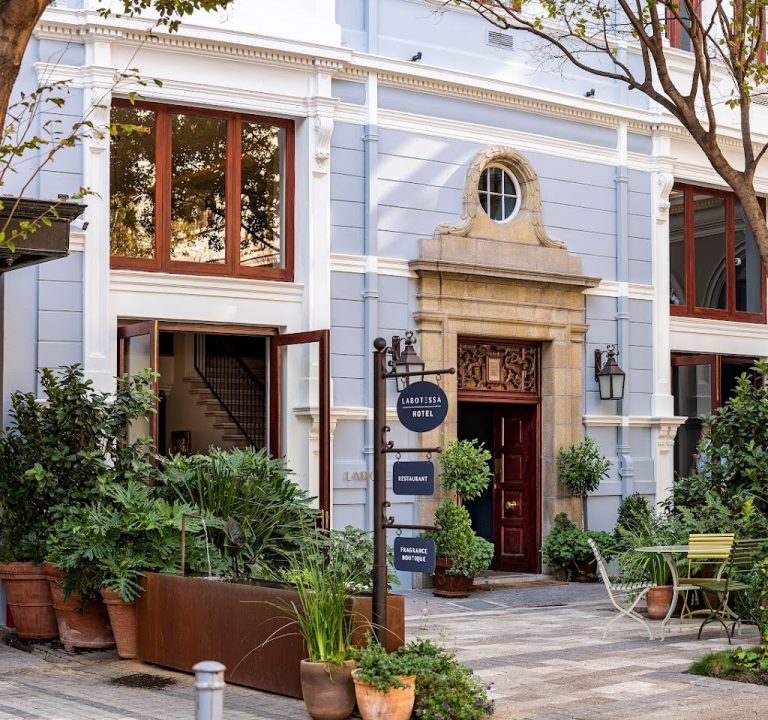
Staying in Cape Town: accommodation guide and top experiences
Cape Town, set between the Atlantic Ocean and the iconic Table Mountain, offers a rich mix of accommodation options for all travellers. From boutique hotels and modern guesthouses to self-catering apartments and coastal lodges, the city’s neighbourhoods each have a distinct character. When planning a stay, consider what you want to be close to: sweeping beaches, historic areas, vibrant markets, or the dramatic scenery of the surrounding winelands and winelands routes. A well-chosen base can heighten your time exploring the city and its surrounds.
One versatile option is a centrally located hotel that provides easy access to the V&A Waterfront, the colours and cafés of the city bowl, and quick routes to the southern peninsula. For a more scenic backdrop, stay near the Atlantic Seaboard or in Camps Bay and Clifton, where sea views and sunset walks foot the bill. If you prefer a quieter, more local atmosphere, the historic neighbourhoods of Buitenkant, De Waterkant, or Observatory offer a mix of guesthouses and small hotels with easy access to dining, markets, and public transport.
When choosing accommodation, look for a few practical essentials. Cleanliness and good air quality are paramount, followed by reliable Wi‑Fi for those who work remotely or plan to stream. A well-equipped ensuite bathroom and a comfortable bed make all the difference after a day of sightseeing. If you plan to drive, check whether the property offers secure parking or convenient street parking; if not, ensure there are alternative options nearby. For families or groups, consider apartment-style properties with a kitchen or kitchenette, providing flexibility for meals and snacks between adventures.
Typical amenities across Cape Town’s accommodation spectrum often include private bathrooms, televisions, and in-room tea and coffee facilities. Many places offer breakfast on site or nearby options, and some feature lounges or communal spaces where guests can socialise or plan day trips. Depending on the property, you may encounter additional touches such as outdoor terraces, plunge pools, or access to fitness facilities. Be sure to verify the availability and timing of these amenities ahead of your stay, particularly during peak seasons.
Transport in Cape Town is straightforward but benefits from a little planning. The MyCiTi bus system links key districts, while Uber and other ride-hailing services are reliable for short hops or late evenings. If you are staying near the city centre, you can often walk to major sights, which is a pleasant way to soak up the neighbourhoods’ atmosphere. Car hire provides flexibility for day trips to the Cape Peninsula or winelands, but consider parking costs and safety when choosing where to stay. For guests with limited mobility, select properties that emphasise accessibility and provide clear information about step-free access and ground-floor facilities.
The best time to visit Cape Town is influenced by the weather, crowds, and your priorities. Summer (November to March) brings warm days and lively outdoor dining but can be busy with tourists. Shoulder seasons—April to May and September to November—offer pleasant temperatures and fewer crowds, which can be ideal for exploring vineyards, hiking trails, and quieter beaches. Winter (June to August) is cooler and occasionally rainy, yet still rewarding for cultural experiences, indoor attractions, and fewer queues at museums and galleries. Pack layers for changeable conditions, sunscreen for sun‑prone days, and a versatile wardrobe for coastal walks and scenic drives.
When planning your itinerary, blend iconic sights with experiences that showcase local character. A guided or self-guided hike up iconic viewpoints, a scenic drive along the coastline, and visits to local markets or neighbourhood eateries can create balanced days. In terms of dining, Cape Town’s restaurant scene ranges from refined fine dining to casual bistros and street-food markets. You can enjoy fresh seafood by the harbour, vibrant Mediterranean-inspired dishes, or comforting Cape flavours alongside excellent coffee and pastry stops. It’s wise to book popular dining spots in advance during peak periods, but short-notice options are often available in the city’s bustling districts.
For travellers seeking a place to rest between adventures, consider accommodation such as 906 Piazza on Church, a property positioned to offer convenient access to central attractions while delivering a comfortable stay. Its location can provide a solid base for exploring both the city’s historic arcades and contemporary streetscapes, with a focus on guest comfort and practical features that suit varied itineraries. For more information and bookings, visit the official listing at 906 Piazza on Church.
To make the most of your visit, here is a practical checklist you can use when booking or planning your days:
- Map your must-see sights and estimate travel times between your hotel and each location.
- Choose a neighbourhood that aligns with your interests—beaches, markets, dining, or cultural landmarks.
- Confirm essential amenities (wifi, parking, ensuite facilities, breakfast options) before you book.
- Check cancellation policies and, if travelling in peak season, consider flexible options.
- Plan one or two signature experiences (a sunset drive, a visit to a local market, or a harbour walk) to anchor each day.
Cape Town rewards curious travellers who blend scenic landscapes with urban exploration. With careful planning, you can enjoy comfortable accommodation, efficient transport, and a curated selection of attractions and dining that capture the city’s unique vibe.