Johannesburg: accommodation, attractions and practical planning for visitors
Johannesburg, often simply called Jo’burg or Joburg, is a destination with a dynamic mix of historic neighbourhoods, contemporary eateries and cultural experiences. When planning a stay, it helps to think in terms of districts, transport options and the kinds of amenities that will make your visit comfortable, whether you are in town for business, a city break or family adventures.
Accommodation in Johannesburg ranges from stylish boutique guesthouses to modern hotels and self-contained apartments. If you are exploring the city’s roots and contemporary energy, look for properties that offer easy access to reliable transport, a strong Wi‑Fi signal for work or streaming, and safe parking or shuttle options. For short breaks near the city centre, you might choose a guesthouse with breakfast included and a friendly, knowledgeable host who can offer local tips. If you favour a more contemporary feel or need a roomier setup for a family, serviced apartments in mixed-use neighbourhoods near malls or business districts can be convenient and comfortable.
Areas to consider include the northern suburbs, where business districts and leafy residential streets sit alongside international hotels; the central and northern inner city, which blends historic buildings with modern developments; and the northern, more cosmopolitan hubs that are popular with travellers seeking a lively dining scene and easy access to parks and museums. Each area has its own character: some are rooted in history and culture, others are lively with cafés and galleries, and a few offer quick routes to the city’s major attractions. When selecting a place to stay, consider proximity to your planned activities, transport connections and the level of security that feels right for you.
Transport in Johannesburg is best planned ahead. The city has a rail link known as the Gautrain network in addition to local buses, taxis and ride‑hailing services. If you are staying in or near the city centre, you may rely on short taxi rides or rideshares to reach museums, markets and neighbourhood eateries. For longer day trips, confirm whether your accommodation offers a shuttle service or organise a trusted transfer with clear pricing. If you prefer self‑driving, check on-site parking arrangements and access to major routes linking to the OR Tambo International Airport and regional attractions.
Typical amenities to look for when booking include secure access, air conditioning or heating, reliable hot water, a well‑stocked minibar or tea and coffee facilities, and a flexible check‑in process. Many guesthouses and boutique hotels offer breakfast or even light evening meals, which can be a convenience after a day of sightseeing. In a city where security and comfort are important to travellers, features such as 24‑hour front desk support, curated guest information, and laundry services can be valuable additions. If you are exploring with children, ask about family rooms or interconnecting spaces and child‑friendly dining options.
Specific local experiences can greatly enrich a stay. In Johannesburg, you will find a thriving culinary scene ranging from vibrant markets and casual eateries to refined restaurants that showcase South African produce and flavours. Beyond dining, cultural experiences, guided tours of historic sites and neighbourhood arts districts provide meaningful ways to understand the city. If you are seeking a convenient base for these activities, choose accommodation that is close to museums, theatres, markets or galleries, or that offers easy pedestrian access to safe, well‑lit streets after dark.
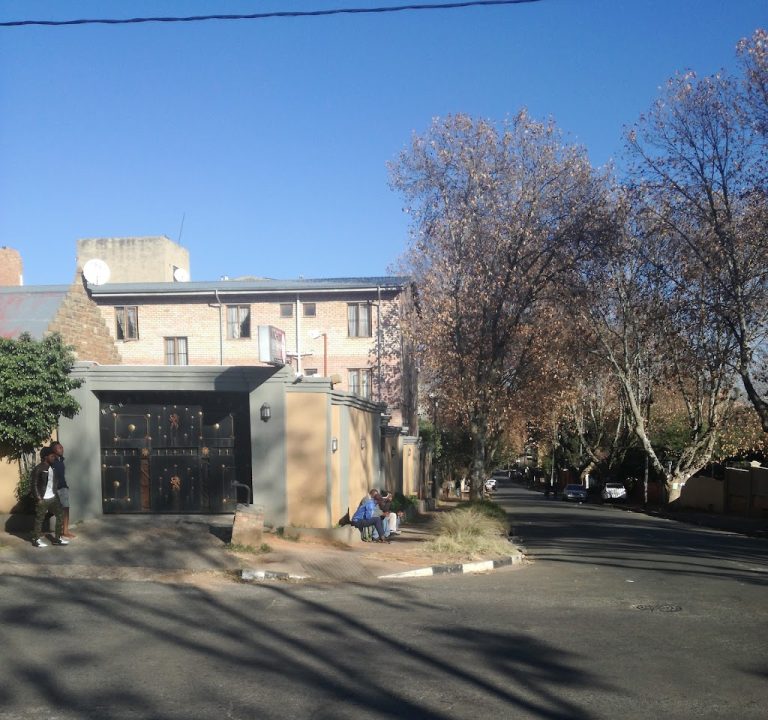
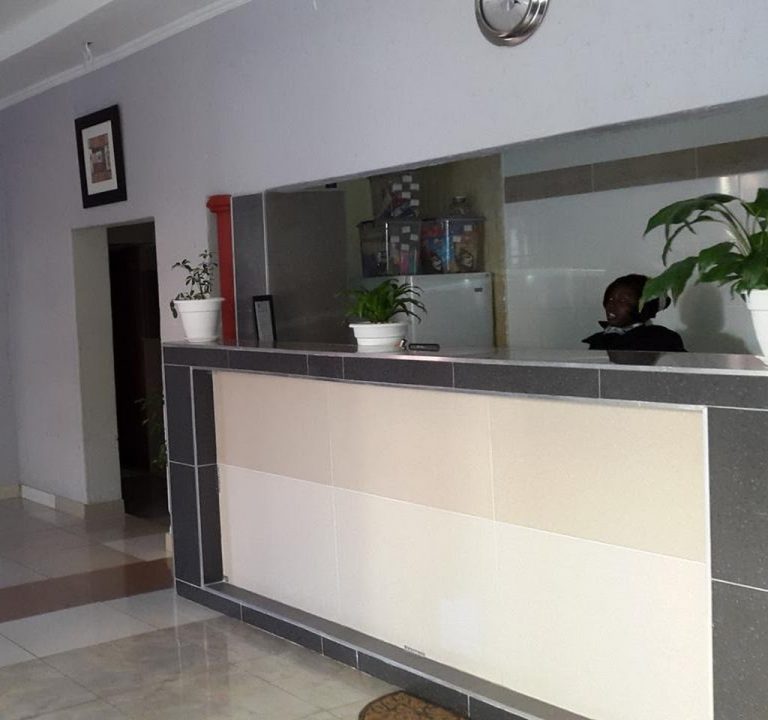
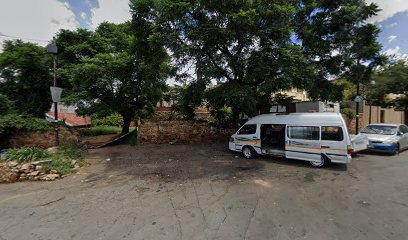
One example of a guest house option you might encounter is Chisam Guest Lodge, a guest house with guest‑house style facilities that can suit travellers seeking a more intimate, homely environment. While each stay differs, such properties typically highlight comfortable rooms, personal service and a focus on creating a welcoming atmosphere that makes it easy to settle in and plan day trips or afternoon strolls around the neighbourhood.
Best time to visit Johannesburg depends on your plans. The capital enjoys mild winters and warm summers. Spring and autumn tend to be pleasant for outdoor exploration, with comfortable temperatures for walking around city streets, gardens and outdoor markets. Summer offers longer daylight hours and a lively calendar of events, while autumn can be calmer and excellent for museum visits and scenic drives. If you are attending or planning to attend major events or exhibitions, it is wise to book well in advance and consider staying in a district that minimises commute times to the venues.
Practical planning tips for a smooth stay:
- Book in advance and confirm cancellation policies, especially for peak periods or popular districts.
- Ask about security features, safe parking, and the availability of a staff member who can offer local recommendations.
- Check proximity to Gautrain stations or main transport routes to reduce travel time between attractions.
- Request an early breakfast option if you have early tours or meetings, and inquire about laundry or ironing services for longer trips.
- Pack adaptable clothing for changing weather and comfortable shoes for urban exploring.
When planning your itinerary, balance must‑see attractions with time to enjoy local markets, cafés and green spaces. A day might begin with a walk through flagship museums or a historical precinct, followed by a relaxed lunch at a street‑side café, and perhaps an evening in a neighbourhood known for its live music or theatre. Even without fixed plans, Johannesburg offers a generosity of experiences that reward curious visitors who allow space for spontaneous discoveries. With careful selection of where you stay and how you move around, your Johannesburg visit can be relaxing, culturally rich and warmly memorable.