Accommodation and experiences in Johannesburg: planning a stay that suits every traveller
Johannesburg, or Jo’burg as many locals call it, offers a diverse mix of accommodation styles from cosmopolitan hotels to boutique guesthouses and cosy lodges. When planning a stay, consider which neighbourhood aligns with your interests, your budget, and how you want to experience the city. South Africa’s largest city is a gateway to culture, history, and vibrant urban life, with a broad range of dining options, shopping hubs and day trips within easy reach.
Areas to consider
- Sandton: an energetic business and shopping hub with modern high-rise hotels, well-connected transport links and a choice of upscale eateries. It’s a convenient base for business travellers and visitors who value comfort and accessibility.
- Rosebank: known for a relaxed village vibe, galleries, markets and easy access to the Gautrain. It suits guests who want a mix of boutique stays and excellent transport connections.
- Braamfontein and Newtown: central, lively districts perfect for those seeking culture, nightlife and proximity to museums, theatres and street art. Boutique hotels and guesthouses here often offer easy walking access to restaurants and live music venues.
- Maboneng and neighbourhoods around the city centre: ideal for travellers who enjoy creative energy, street markets, and a more immersive urban experience. Lodges and smaller hotels here tend to be characterful and well located for city exploring.
- Soweto and nearby townships: for a deeper historical perspective and authentic experiences, consider staying in a guesthouse or small hotel that offers guided tours and community insights. This can be a memorable complement to a stay in the city’s downtown areas.
What to look for when booking
- Location relative to planned activities: choose a base that minimises long commutes if you plan to explore museums, markets or specific neighbourhoods.
- Transportation access: proximity to Gautrain stations, major roads, or reputable taxi and rideshare options can save time and stress.
- Security features and lighting: well-lit entrances, secure parking or trusted reception, and clear safety information are helpful for peace of mind.
- Room and amenity standards: en-suite facilities, reliable air conditioning or heating, sufficient power outlets, and dependable Wi‑Fi are particularly important for longer stays.
- Breakfast and on-site facilities: some stays include breakfast, which can simplify mornings, while others provide on-site restaurants, lounges or small fitness areas.
- Staff knowledge and local guidance: friendly, informed hosts or reception teams can help with day trips, restaurant reservations and safe routes.
Typical accommodation options in Johannesburg include:
- Hotels and boutique hotels offering a range of room types, from standard doubles to suites with lounge areas.
- Guesthouses and bed-and-breakfast style properties that provide a more personal, home-from-home feel with often excellent value for money.
- Lodges and serviced apartments that may feature self-catering facilities, making them convenient for longer visits.
- Apartment-style stays within modern developments or converted heritage buildings, offering extra space and flexibility.
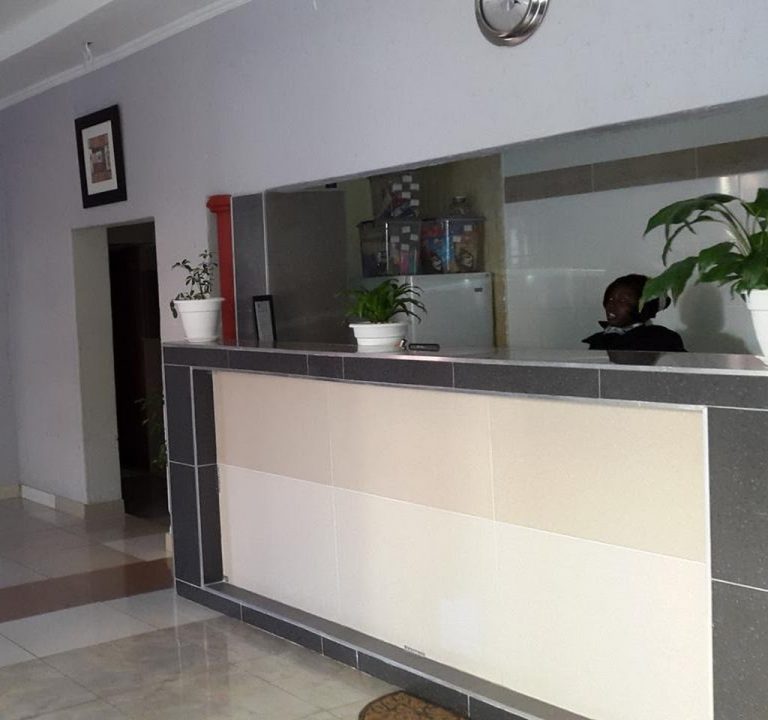
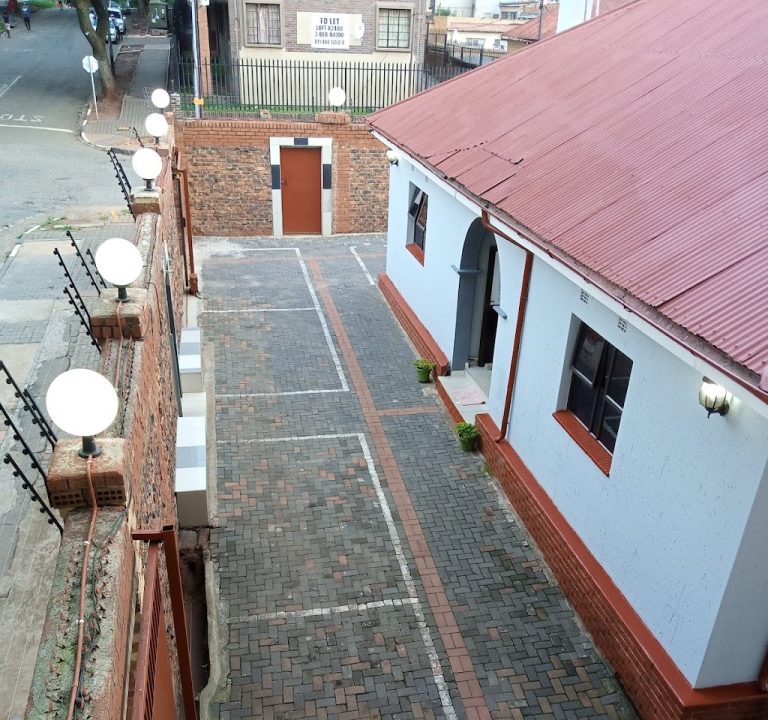
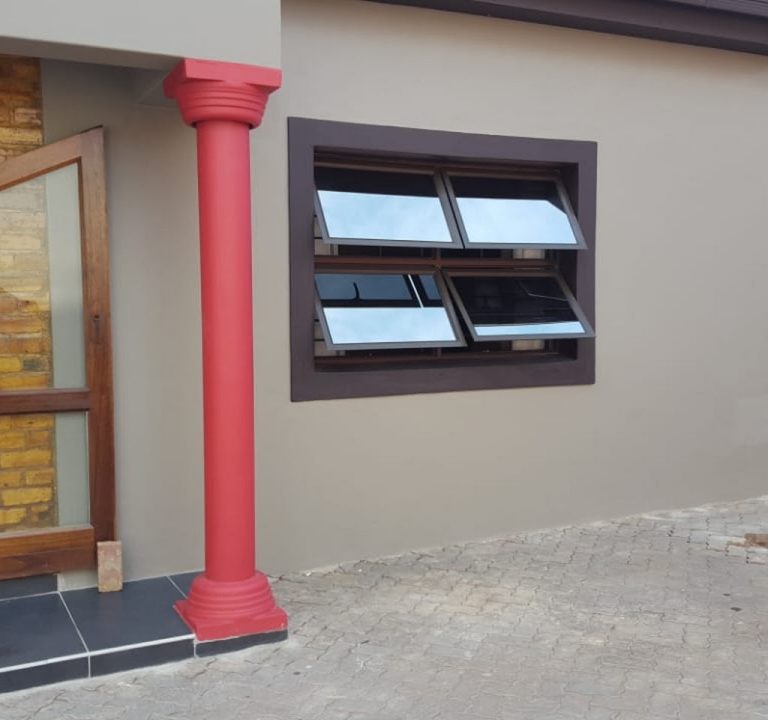
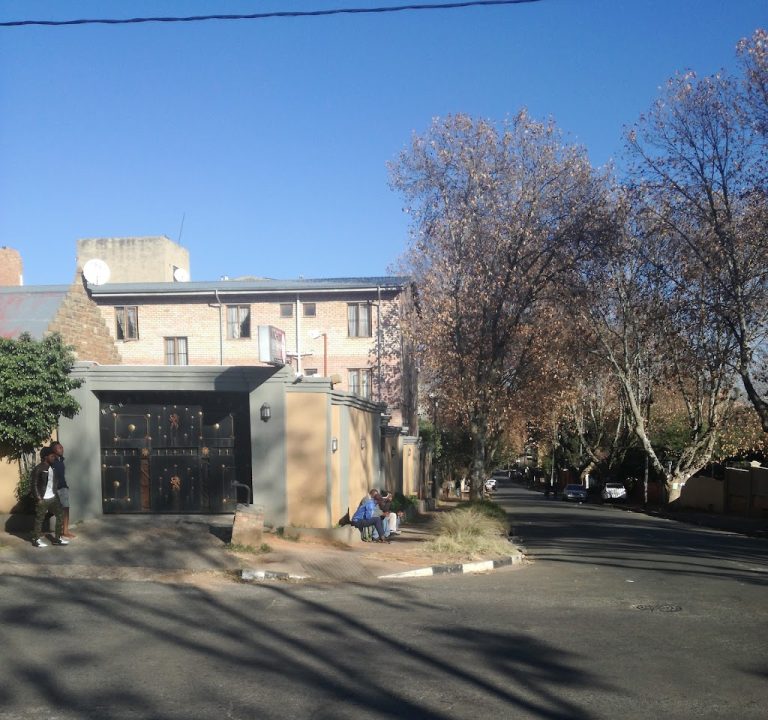
Monarchy Guest House, an example of a boutique option in this spectrum, sits within a setting that mirrors Johannesburg’s blend of modern conveniences and local character. When planning your stay, you can expect comfortable rooms, a personalised touch, and straightforward access to city sights and transit routes. If you wish to explore further, you may find dedicated websites or listings that provide up-to-date details about availability, packages and nearby attractions. See a dedicated page for more information: Monarchy Guest House.
Transport and getting around
Johannesburg relies on a mix of methods. The city centre and northern suburbs are well connected by car and rideshare services; daytime and early evening travel tends to be straightforward, with more limited late-night options in some areas. The Gauteng Transport System, including the Gautrain, is a practical option to reach OR Tambo International Airport from the northern suburbs and Sandton, with connections to other parts of the region. If you plan day trips to areas like Soweto or the Cradle of Humankind, consider booked tours that include hotel transfers or arrange reliable private transport in advance.
Best time to visit and practical tips
- The climate is generally warm to hot in summer (October to April) with sudden thunder showers, and cooler, dry winters (May to August). For outdoor markets and wildlife-interest days, spring and autumn shoulder seasons can be pleasant.
- Plan for some afternoon heat in summer; bringing a hat, sunscreen and water is sensible when exploring city parks and streets.
- Book attractions or guided tours early, particularly during school holidays or festival periods when demand rises.
- Check safety advisories for city areas you plan to visit and organise transfers from your accommodation if you’re unfamiliar with certain neighbourhoods after dark.
- If you are staying in a central hotel or guesthouse, ask staff for recommended local eateries and markets—these insights can lead you to authentic, affordable dining experiences.
- Pack adaptable layers for changing weather and a universal adaptor for devices, as electrical outlets in South Africa use a unique plug type.
When planning a stay in Johannesburg, balance comfort with curiosity. A well-chosen base near transport links makes it easier to discover both acclaimed attractions and up-and-coming neighbourhoods. Whether you prefer a polished hotel in a bustling district, a boutique guesthouse with personalised service, or a self-contained apartment for a longer visit, Johannesburg offers an inviting mix of modern amenities and authentic South African hospitality.