Planning a stay in Johannesburg: accommodation, attractions and practical tips
Johannesburg, Gauteng, offers a dynamic mix of neighbourhoods, from leafy suburbs with boutique guest houses to bustling urban precincts where modern hotels sit beside art studios and markets. When planning a stay, begin by choosing a base that suits your interests—whether it’s business, culture, nightlife, or easy access to outdoor adventures. The city is well connected by the Gautrain and a network of roads, but your experience will be smoother with a well-considered location, a realistic budget, and a plan for days out.
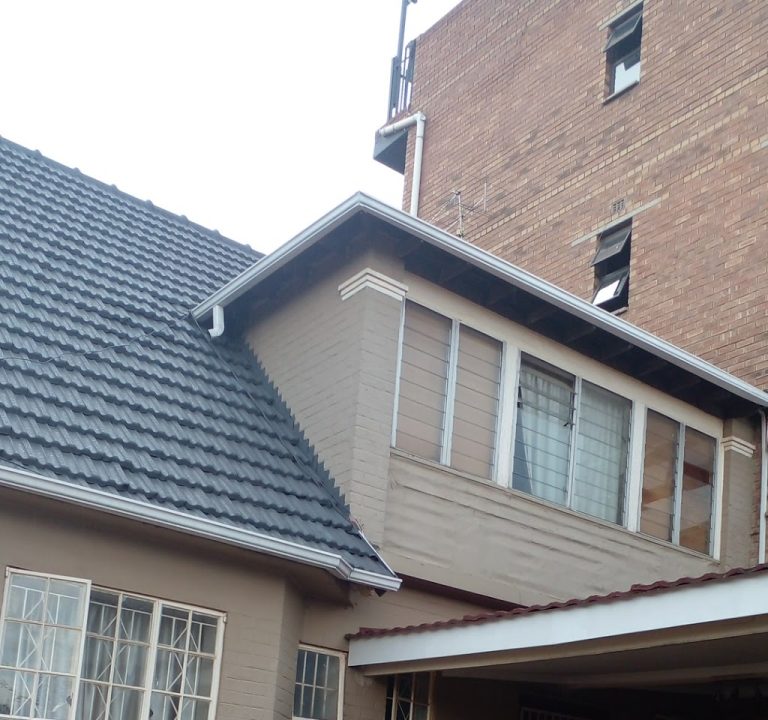
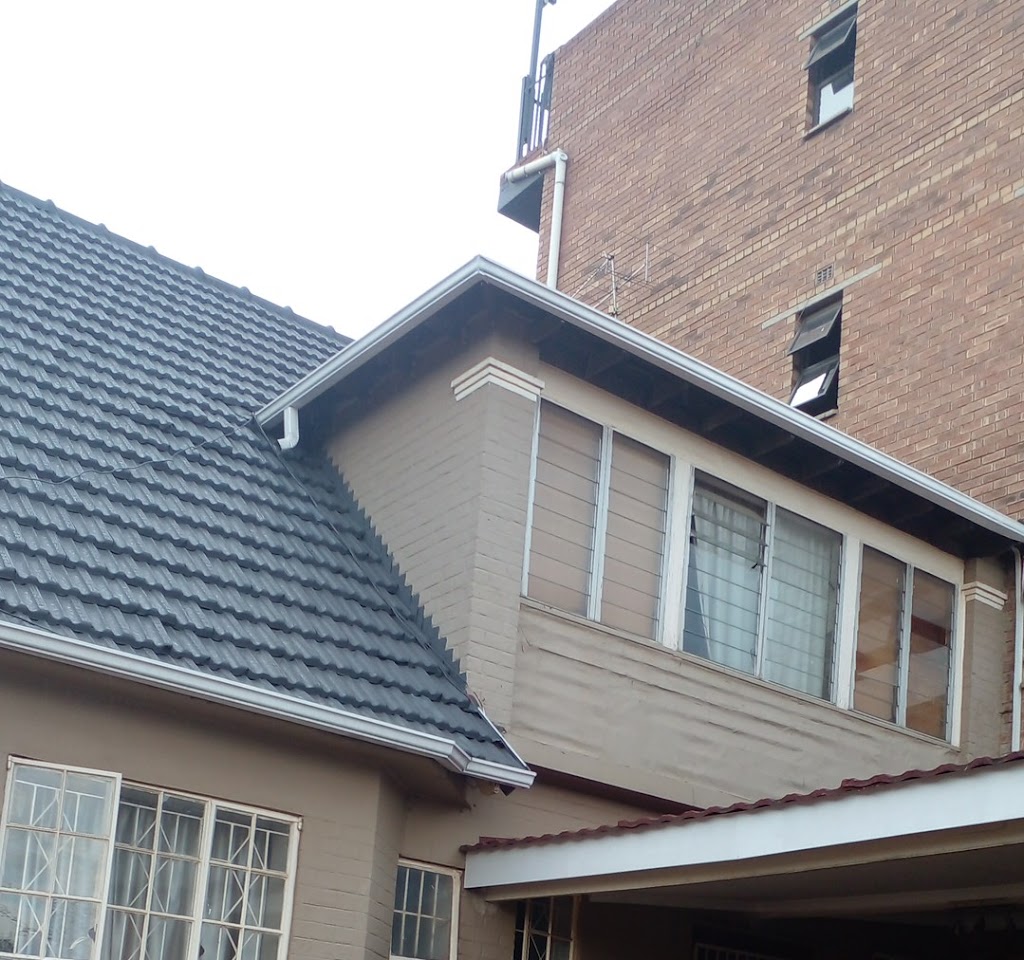
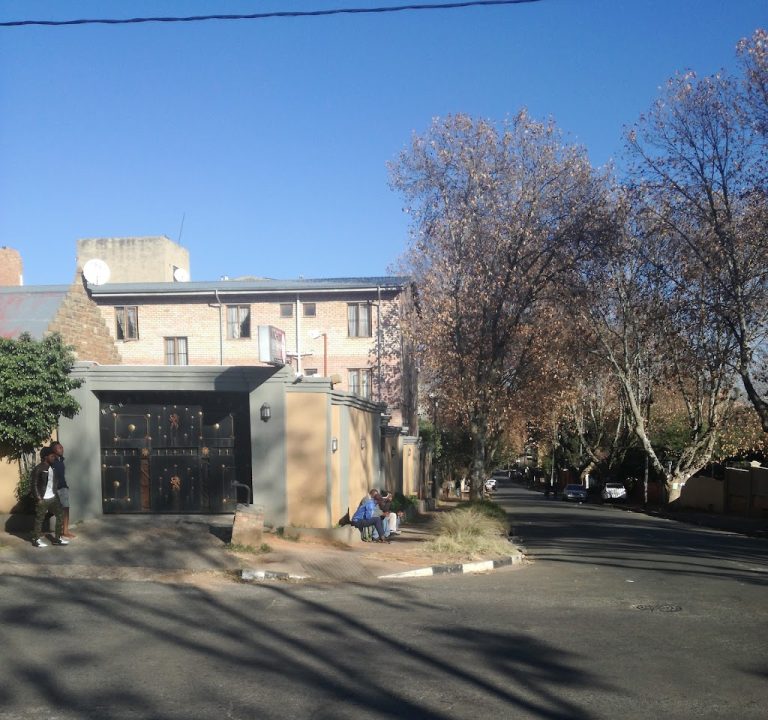
Accommodation options vary widely. Guest houses and small boutique properties can provide a personal touch, often with cooked breakfast, friendly local tips, and a home-from-home feel. In contrast, larger hotels and modern apartment-style stays may offer facilities such as fitness rooms, conference spaces, or self-catering options. A recognised guest house like Miraton Guest Lodge can illustrate how a traditional, intimate stay can sit alongside contemporary conveniences. When choosing a property, look for clear descriptions of room sizes, en-suite facilities, and inclusive extras (free Wi‑Fi, parking, breakfast, and secure access). If you prefer self-catering, check for kitchen facilities and supermarket access nearby.
Areas to consider include:
- Sandton: the commercial heart with easy access to business districts, high-end shopping, and fine dining. It’s convenient for meetings and quick transfers to northern suburbs.
- Rosebank: a hub of markets, cafés, and galleries, with good public transport links and a lively, cosmopolitan atmosphere.
- Braamfontein and Newtown: creative districts with student energy, nightlife, and cultural venues. Great for those who want to be where the action is and don’t mind a busy street ambience.
- Miles of Melville and Rosebank’s quieter pockets: ideal for visitors seeking a more relaxed residential feel, with boutique stays and local eateries within easy reach.
- South of the city centre and blocks near the University of the Witwatersrand: good access to parks, museums, and a walkable city vibe.
When booking, consider practical amenities and transport. Free on-site parking can be a real advantage if you plan to explore by car, while reliable Wi‑Fi helps with planning day trips and contacting hosts for tailored recommendations. An en-suite bathroom with a stable hot water supply, air conditioning or ceiling fans, and adequate heating are important for comfort. If you are visiting during the warmer months, a shaded outdoor space or pool area can be appealing; in winter, ensure heating is available. Proximity to public transport or ride-hailing hubs reduces the need for long drives, especially if you intend to visit multiple districts in a day.
Transport and getting around: Johannesburg is spread out, so a little planning goes a long way. The Gautrain offers fast links to Sandton and Pretoria, while Uber and other ride-hailing services provide flexible options within the city. If you’re staying near a major precinct, you can often walk to attractions or take a short ride for evenings out. For longer trips—such as day excursions to nearby nature reserves or historical sites—check if your accommodation can help arrange guided tours or shuttle arrangements. If you rent a vehicle, confirm parking availability at the property and whether there are any access restrictions in the neighbourhood you’ll be staying in.
Best time to visit Johannesburg: the city experiences a temperate climate with winter and summer patterns distinct from coastal regions. The dry season (roughly May to September) tends to be sunny, with cooler evenings, making it pleasant for outdoor exploration and city walks. Summer can bring higher rainfall and humid conditions, but it also means vibrant markets, gardens in full bloom, and longer days for sightseeing. Consider aligning big events with your dates, but keep in mind popular areas can be busier and rates may rise around major conferences or holidays. Always verify weather expectations a little ahead of your trip and pack adaptable clothing for changing conditions.
What to do and see in general terms: Johannesburg offers a wealth of culture, history, and nature on nearby doorstep drives. Museums and galleries provide insights into the city’s complex past and contemporary creativity. Markets and eateries showcase diverse South African flavours, from traditional favourites to modern, trendy dining concepts. Parks and open spaces, including urban green corridors, offer places to stroll, jog, or simply relax after a day’s exploring. For a broader view, consider day trips to the nearby Cradle of Humankind, the Dinokeng region, or the scenic foothills of the Magaliesberg, all within a short drive from central stays.
Practical tips for a smooth visit:
- Plan a balanced itinerary that blends indoor cultural experiences with outdoor time to avoid fatigue.
- Read recent guest reviews to gauge safety, reliability of the host, and the accuracy of property descriptions.
- Pack a lightweight adaptor and check power supply details for your accommodation, as some properties may have different plug types.
- Pack cash and card-friendly options; while many places accept cards, some markets and smaller venues prefer cash.
- Be mindful of safety and personal belongings in busy areas; use reputable transport options, especially after dark.
- Book directly via the property’s official site or reputable booking platforms to ensure the latest rates and cancellation policies.
Johannesburg remains a city of contrasts, with neighbourhood charm, modern conveniences, and a spectrum of experiences at your fingertips. Whether you are drawn to a cosy guest house like Miraton Guest Lodge or prefer a bustling hotel base in a central district, a well-planned stay can unlock the best of what Gauteng has to offer. For ideas and practical planning tools, you can explore official tourism resources and trusted travel guides before you go: https://www.joburg.org.za and https://www.johannesburg.co.za.