Johannesburg: where to stay and how to plan your visit
Johannesburg, or Jo’burg, is a dynamic gateway to South Africa’s cultural and natural wonders. When planning a stay, the choice of neighbourhood can shape your experience as much as the lodgings themselves. From stylish urban villages to leafy suburban oases and practical business hubs, the city offers a range of options to suit different itineraries and budgets.
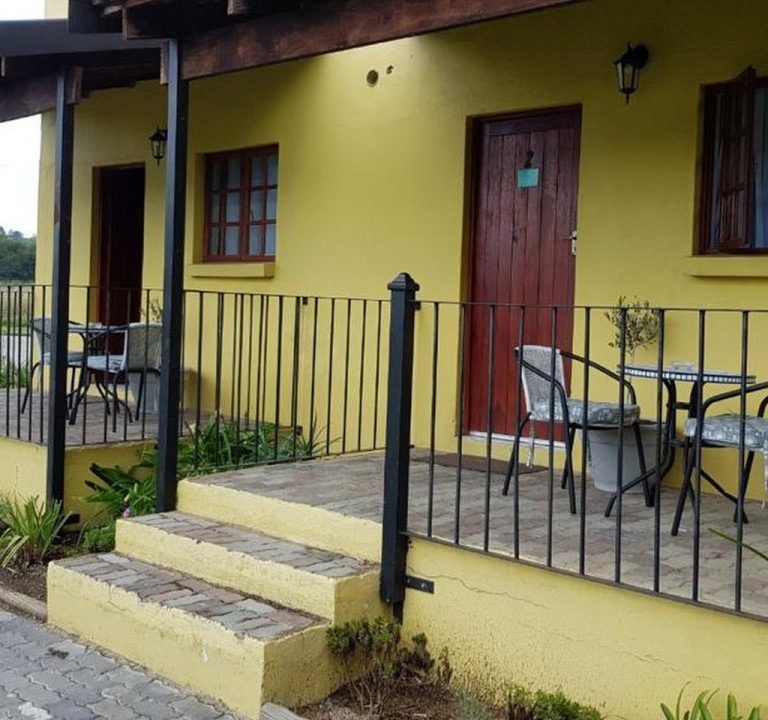
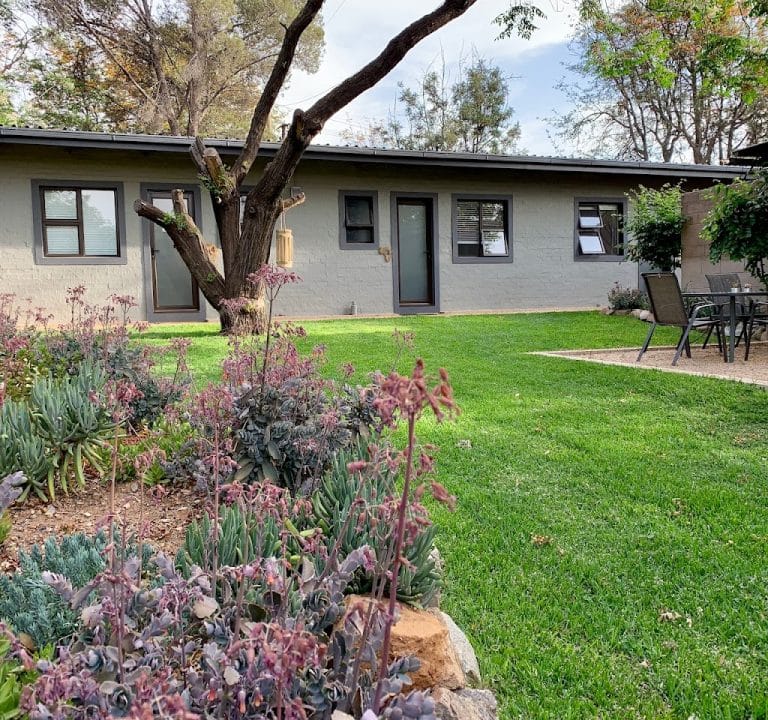
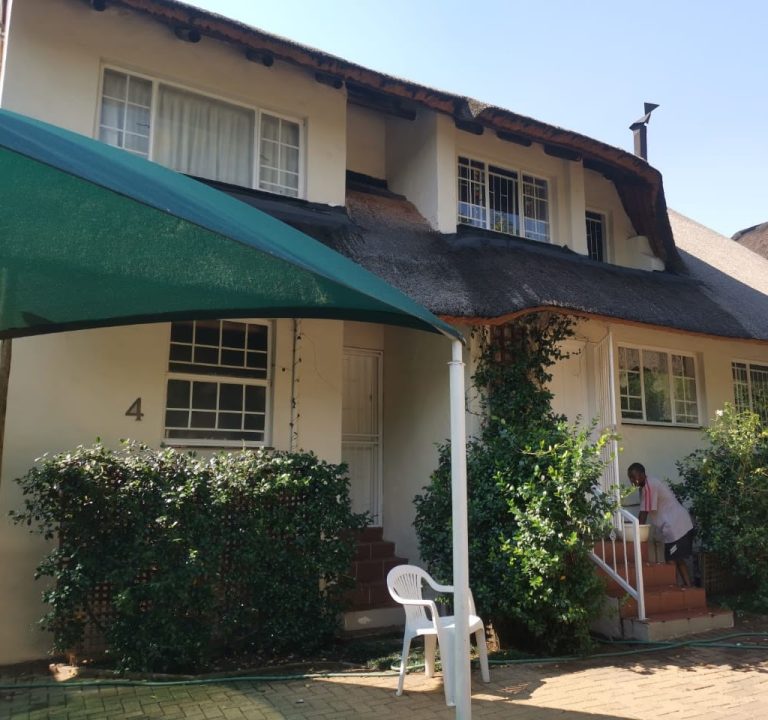
For accommodation, think about accessibility and what you want to be close to. The northern suburbs around Sandton, Rosebank and Melville tend to offer a mix of modern hotels, boutique guesthouses and secure apartment complexes with easy access to shopping centres, museums and restaurants. The central areas of Braamfontein and Maboneng provide a lively arts and dining scene and are well placed for exploring the city’s core attractions. If you’re visiting for motorsport or events, the Kyalami area in the north-west offers lodge-style properties and guesthouses that combine a peaceful setting with convenient access to major roads and racing facilities. An example is Cherry Lodge, a lodge-style accommodation in Kyalami that sits near the AOSH Castle and other local amenities, and is linked through its website for planning details and availability: https://cherrylodge.co.za/.
When you book, look for typical amenities that support a comfortable stay. In many Jo’burg lodgings, you’ll find secure on-site parking, 24‑hour reception or staff on‑site, wifi throughout, and options such as self-catering facilities, full breakfasts, or continental options. For longer stays or work trips, check if there are workspaces or quiet corners, reliable power supply, and easy plug access for devices. A well-equipped kitchen or kitchenette, laundry facilities, and flexible check-in arrangements can make a big difference. If you’re travelling with family or a group, inquire about family rooms or suites, multiple bedrooms, or easy access to common areas for socialising.
Transport is a practical consideration in Johannesburg. The city is car-friendly, but rideshare services and taxis are commonly used for shorter hops. If you plan to visit multiple areas or venture into the city’s historic townships or markets, a rental car or organised day trips can be convenient. For those prioritising mass transit, the Gautrain offers fast linkages to Pretoria and the airport from various hubs in the northern suburbs and Sandton. It’s worth confirming whether your accommodation partners with secure parking or has shuttle arrangements to nearby transport nodes.
The best time to visit Johannesburg is influenced by weather and crowds. The city enjoys a warm climate in the summer months (roughly October to March) with occasional thunderstorms, while winter (May to August) is cooler and drier. If you’re aiming to combine outdoor activities with sightseeing, spring (August to October) and autumn (March to May) can be pleasant for outdoor markets, gardens and day trips. Please note that, like many urban destinations, safety awareness and sensible planning are important, especially when exploring after dark or in less busy neighbourhoods.
Attractions and experiences in and around Johannesburg offer a mix of culture, history and modern entertainment. Many visitors begin with the city’s museums and precincts that commemorate South Africa’s past, and then move to vibrant markets, art districts and parks. Beyond central sights, the region provides opportunities for day trips to nearby nature reserves and historic townships, where guided tours can illuminate local stories and community heritage. In terms of dining, Johannesburg’s restaurant scene ranges from contemporary bistros to traditional eateries. In most areas, options span casual cafés, modern brasseries and fine-dining venues, with emphasis on fresh, seasonal ingredients and diverse flavours. Restaurant recommendations are best explored with up-to-date guides or the concierge at your accommodation, who can tailor choices to your route and budget.
When planning a stay, a practical checklist helps optimise your experience. Confirm the distance to your must-see areas and the availability of parking or transit links. Check the hotel’s or lodge’s security measures, including access control and well-lit surroundings. If you’re visiting during peak events or school holidays, book well ahead to secure preferred room types and rates. Prepare a flexible itinerary with a mix of guided experiences and free time to explore local streets, markets and parks. Consider adding a day or two for a countryside excursion or a township-focused experience led by local guides, which can provide meaningful context to your city visit. Finally, keep a small, practical wardrobe plan for varied weather and comfortable walking shoes for uneven pavements and hilly streets common in several neighbourhoods.
- Neighbourhoods to consider: Sandton, Rosebank, Illovo, Melville, Braamfontein, Maboneng, and Kyalami.
- Booking tips: secure parking, reliable wifi, flexible check-in, and access to a communal lounge or kitchenette if you value sociable spaces.
- Practicalities: Gautrain access, Uber or local taxis, safety-conscious travel, and packing for hot days and cooler evenings.
Johannesburg is a city of contrasts and vibrant energy. With thoughtful accommodation choices and a balanced plan that blends curated experiences with free time, visitors can enjoy both its cultural heartbeat and its welcoming hospitality. For more information on specific properties and current openings, visiting a hotel or lodge’s official site is the best starting point, and regional tourism boards often provide seasonal itineraries, event calendars and map-led suggestions to help you tailor your stay.