Finding the right stay in Cape Town: where to stay, what to expect, and how to plan your visit
Cape Town is a city of contrasts, where mountains meet the sea and culture meets cuisine. When planning a stay, consider districts that align with your interests, whether you’re drawn to dramatic coastal scenery, historic streets, or easy access to the city’s famed viewpoints. From vibrant neighbourhoods along the Atlantic Seaboard to leafy enclaves near the iconic Table Mountain, there are accommodation options to suit every budget and style. Think about what you’ll spend most of your time doing: rooftop sundowners, beach walks, museum rooms, or day trips along the scenic routes of the Cape.
Areas to consider include the V&A Waterfront and theCentral City for easy access to nightlife, dining, and public transport; the bohemian charm of the Bo-Kaap and De Waterkant for colourful streets and harbour views; the constant-sun appeal of Camps Bay and Clifton for beaches and sunset scenery; and the calmer vibes of Green Point or the Southern Suburbs for larger properties and quieter evenings. If you’re after a value-focused stay with a neighbourhood feel, look to the lesser-known pockets of the Atlantic Seaboard or the historic roadways of the City Bowl. For families or groups, self-catering apartments or guesthouses with three or more bedrooms can offer convenience without sacrificing intimacy.
When choosing accommodation, think about typical amenities and what will make your stay comfortable. Crucial questions include: Is there reliable air conditioning or heating for the season? Does the property offer self-catering facilities or a hotel-style service with daily housekeeping? Is there secure parking if you’re exploring by car, and how easy is it to reach major sights by public transport or organised tours? A well-reviewed property often lists essential conveniences such as free Wi-Fi, a well-equipped kitchen, a coffee station, a pool, and clear information on nearby dining options and public transport links.
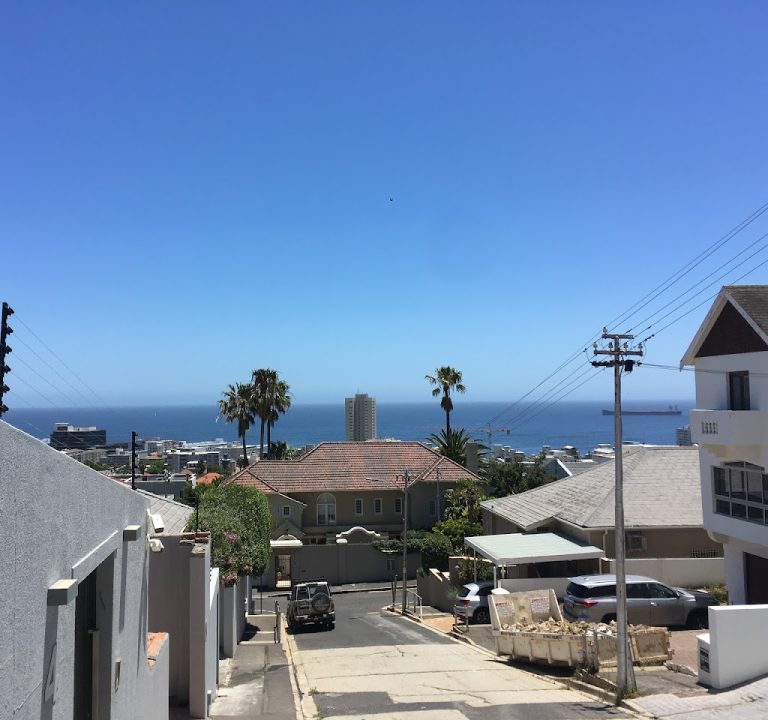
One notable example of a stay that combines comfort with location is a Cape Town property marketed as a boutique hotel or villa-style residence. Such places typically emphasise a sense of place, with design features inspired by the surrounding landscape and convenient access to key attractions. Whether you choose a contemporary apartment near the water or a sunlit villa tucked into hillside wards, you’ll usually find a friendly front desk or host who can help plan activities, recommend safe routes to restaurants, and suggest day trips to winelands, nature reserves, or historic sites. Always review the cancellation policy and guest access details before booking, as policies vary widely across properties.
Transport is a practical consideration in Cape Town. If you don’t wish to rely on taxis or ride-hailing alone, look for accommodation that offers easy access to MyCiTi buses or a central location within walking distance of shops and restaurants. Many visitors enjoy renting a car for day trips to the Cape Winelands, Cape Point, Boulders Beach, or the Cape Floral Kingdom, so proximity to main roads or highway connections can be a practical advantage. For city-based explorations, a stay within a walkable radius of the central business district and the V&A precinct tends to minimise the need for long drives, while coastal areas are ideal if you plan to spend long afternoons on the beach or along the promenade.
The best time to visit Cape Town depends on what you want to do. Spring (late August to November) brings colourful flowers and mild weather, ideal for hillside walks and outdoor markets. Summer (December to February) is lively and sunny, perfect for beaches and harbour cruises, though temperatures can rise and popular spots become busier. Autumn (March to May) offers cooler evenings and fewer crowds, which is excellent for blended city and nature itineraries. Winter (June to August) is cooler and occasionally wet, but museums and indoor attractions provide a cosy counterpoint to outdoor adventures. Pack layers, a light raincoat, and a daypack for hikes in the surrounding mountains or coastal trails.
When planning your itinerary, balance must-see attractions with downtime. Cape Town offers a tapestry of experiences beyond the obvious landmarks: scenic viewpoints where you can watch the sun set over the Atlantic, markets where you can sample artisanal foods, and chef-led venues that showcase South Africa’s diverse culinary heritage. While the specifics of individual restaurants and venues can change, the approach remains the same: seek places with friendly service, clear hygiene standards, and options that reflect local ingredients and traditional techniques. A few areas are known for their dining scenes, while more modest neighbourhood spots can offer excellent value. Always check current hours and whether advance reservations are advisable, particularly during peak travel periods.
Practical tips to make the most of your stay:
- Read recent guest reviews focusing on cleanliness, consistency, and the usefulness of host recommendations.
- Ask hosts or front desk teams for transportation tips, safe walking routes, and nearby supermarkets or markets.
- Plan day trips with a realistic sense of travel times, considering traffic and parking constraints.
- Bring or rent a compact device for navigation and local maps to help you explore confidently.
- Keep a flexible schedule to accommodate weather or last-minute changes to plans.
Whether you’re booking a boutique stay such as CapeStays – Villa Legacy or another well-positioned property, Cape Town rewards travellers who plan with a balance of planned activities and room for spontaneous discoveries. By choosing a thoughtfully located base, understanding typical amenities, and considering transport options, you can craft a memorable visit that blends natural beauty, cultural experiences, and excellent hospitality into one unforgettable South African experience.