
Indigo Cottage is a Guest house establishment in Cape Town, Western Cape, South Africa
Indigo Cottage, Cape Town – About
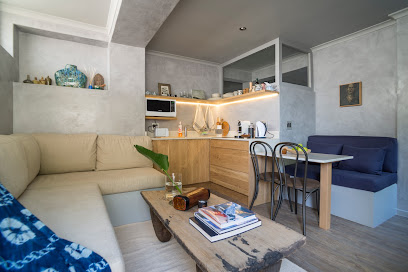
Indigo Cottage is presented as a cosy, cottage-style retreat set within Cape Town’s Western Cape region. Described through the lens of a guest listing platform, it offers a quiet base from which travellers can explore a city renowned for its natural beauty, diverse cultures, and coastal scenery. While the current page does not reveal detailed room-by-room descriptions or a full breakdown of on-site facilities, Indigo Cottage is positioned as a peaceful option for those seeking a home-like stay in a vibrant South African coastal city.
From an observer’s viewpoint, the accommodation emphasises a simple, relaxed atmosphere rather than a grand hotel experience. The emphasis appears to be on providing a comfortable, private space where guests can unwind after a day of sightseeing or work, with the surrounding Cape Town neighbourhood offering a backdrop of maritime energy and urban convenience. The cottage concept typically suggests a compact footprint with a focus on practicality and personal comfort, rather than expansive common areas or resort-style amenities.
In terms of style and ambience, Indigo Cottage is likely to appeal to travellers who value character and a homely feel. A cottage setting often implies warm interiors, well‑kept decor, and a restful environment—qualities that are highly desirable for guests seeking a retreat that feels lived-in and welcoming after exploring the city or the nearby coastline. The exact interior configuration, bedding arrangements, and on-site features are not detailed on this page, so potential guests are encouraged to review the listing for precise information before booking.
For travellers choosing Indigo Cottage, the experience is framed around convenience and a sense of home away from home. The listing platform places emphasis on self-contained stays in a private dwelling, which can be ideal for couples, small groups, or solo travellers who prefer a more intimate setting with the comforts of a private living space. Without explicit room types or policy notes on the page, prospective guests should consult the official listing for clarifications on guest capacity, bed arrangements, and any house rules that may apply during the stay.
Regarding amenities and facilities, the available information does not currently enumerate on-site offerings such as kitchens, living areas, laundry access, or dedicated parking. As a result, this overview remains high level, focusing on Indigo Cottage’s general positioning as a Cape Town‑based cottage-style accommodation. Guests prioritising bespoke amenities or specific conveniences should check the listing directly for definitive details, including what is provided within the space and any shared facilities that may be available.
Indigo Cottage’s appeal is tied to its location within Cape Town, a city known for natural highlights, outdoor pursuits, and a dynamic urban scene. While the page here does not list nearby attractions, visitors typically seek easy access to local beaches, viewpoints, markets, and dining options when staying in the area. For those planning a visit, the cottage serves as a potential home base from which to craft a personalised itinerary. Since exact nearby highlights are not stated on this page, travellers can discover what is immediately relevant by consulting the listing’s neighbourhood guidance or exploring nearby experiences through the host’s notes and external links.
Booking and travel tips are best drawn from the listing itself. The page offers a direct pathway to the Indigo Cottage accommodation on the Airbnb platform, including the option to visit the listing for updated pricing, availability, and house policies. As with all short‑term rentals, it is advisable to review cancellation terms, check-in procedures, and any requirements regarding access or security deposits prior to confirming a stay. Guests should also verify any geographic notes—such as proximity to certain beaches, markets, or transit hubs—via the official listing map and description to ensure alignment with travel plans.
For those seeking broader booking guidance, the platform’s help resources and protection schemes are worth considering. AirCover for guests provides assurance around safety, bookings, and potential disruptions, while the platform’s trust and safety framework helps screens reservations and supports guests throughout the stay. While not all details can be gleaned from the current page alone, these protections are part of the overarching booking experience on Airbnb and are commonly referenced by guests planning stays in multiple destinations.
- Check the official Indigo Cottage listing for the latest pricing, availability, and exact inclusions.
- Review the neighbourhood section to understand proximity to beaches, markets, and dining options.
- Look for clear information on room configuration, capacity, and any shared spaces before booking.
- Familiarise with the host’s house rules and check-in/check-out instructions to ensure a smooth stay.
- Utilise the booking platform’s safety and protection resources for added peace of mind.
Cape Town
Western Cape
8005
South Africa

Cape Town: Where to stay and how to make the most of your visit
Capable of offering sun, sea, mountains and a vibrant cityscape, Cape Town is a destination that rewards thoughtful planning. When choosing accommodation, many travellers base their decision on proximity to the places they want to explore, as well as the type of stay that suits their pace. A boutique guest house such as Indigo Cottage, for example, can provide a home-from-home feel with personalised touches while keeping you close to the city’s key neighbourhoods and beaches. Explore the listing to understand what a stay here might entail, and use it as a reference point for planning your own itinerary. See more at the property’s page: https://www.airbnb.com/rooms/19464390?location=FresnayeCapeTown.
Areas to consider depend on what you hope to experience. The Atlantic Seaboard (Sea Point, Bakoven, and Camps Bay) is known for coastal views, easy access to beaches, and a relaxed atmosphere. The City Bowl centres around the historic heart of Cape Town, with handy access to museums, markets, and restaurants. Green Point and the V&A Waterfront offer a waterfront vibe with parks and promenades, while neighbourhoods such as Woodstock and Obscure former industrial areas have become hubs for creative dining and boutique stays. For a quieter base that’s still well connected, consider the slopes of Oranjezicht or the leafy lanes of Fresnaye and the plateaued suburbs a short drive from the city centre.
When booking, look for a few typical amenities that can ease your stay. A comfortable bed and good insulation for bedroom and bathroom are basics. Check for reliable free Wi-Fi, a well-equipped kitchenette or tea-and-coffee provisions, and climate control for evenings that can be chilly, particularly along the coast. If you plan to self-cater, a well-equipped kitchen and access to a small grocery shop nearby help. For longer stays, a guest house or boutique hotel offering daily housekeeping or laundry facilities can be a real convenience. Capacity for parking or clear guidance on public transport options also makes a big difference in Cape Town’s hilly terrain and busy streets.
Transport around Cape Town is efficient with MyCiTi buses linking major hubs and beaches, though many travellers prefer rideshare apps or rental cars to explore beyond the immediate neighbourhoods. If you’ve rented a car, choose accommodation with on-site parking or easy access to major routes to Constantia Valley, Hout Bay, or the Cape Peninsula drive. For those relying on public transport, staying near a MyCiTi route or a major tram/bus hub will save time and stress. Many guest houses and hotels offer shuttle services or guidance on reliable local transport options.
The best time to visit Cape Town largely depends on your priorities. Reaching for settled spring and autumn months (September to November and March to May) can offer mild weather and fewer crowds than peak summer. December through February brings warm, sunny days ideal for beaches and outdoor activities, but plan for higher accommodation rates and busier attractions. Winter (June to August) is cooler and windier, yet this period can be favourable for museum visits, wine country touring in nearby Stellenbosch or Constantia, and lower crowds. Whatever the season, early mornings or late afternoons are often the best times for hikes or coastal walks to avoid peak heat and crowds.
Within Cape Town, there are many attractions and dining experiences that suit a range of tastes. Iconic viewpoints andTable Mountain or Lion’s Head are best enjoyed at dawn or late afternoon for dramatic light and cooler conditions. The nearby Constantia and Stellenbosch wine routes provide scenic drives, cellar tours and tasting rooms where you can learn about South African varietals in a relaxed setting. In the city, markets, galleries and historic sites offer a mix of culture and crafts, while the waterfront provides shops, promenades and family-friendly spaces along the harbour. For dining, you’ll find everything from seafood and classic South African dishes to modern fusion venues. It’s wise to reserve in advance for popular spots, but also leave space for serendipitous finds in local neighbourhoods and bustling precincts.
Practical tips to help you plan your stay:
- Book accommodation with clear cancellation terms and a trusted host or operator, especially if travel plans may change.
- Pack adaptable clothing for a range of conditions, plus sunscreen and a hat for coastal days.
- Check whether your base has a kitchenette or easy access to supermarkets for self-catering options.
- Confirm parking or transport options if you’ll be driving or using rideshare services daily.
- Plan a flexible mix of outdoor activities, cultural visits and relaxed meals to balance energy levels.
Indigo Cottage stands as a thoughtful example of a guest house that emphasises comfort and location. If you’re seeking a stay that blends personal touches with convenient access to scenic viewpoints and city amenities, a well-chosen guest house can be a strong foundation for your Cape Town visit. When you map your days, anchor your mornings with a seaside stroll along the Atlantic coast, pause for coffee in historic streets, and plan afternoons around a short drive to forests, wine routes, or the city’s museums and galleries. By combining careful accommodation selection with a well-paced itinerary, you’ll enjoy Cape Town’s rich mix of natural beauty, culture and cuisine without feeling rushed.
For further inspiration on where to stay and what to do, consider browsing a variety of guest houses, boutique hotels, and self-contained apartments in the Cape Town area. You’ll find many properties offering guest-focused amenities, transport guidance, and personalised recommendations to help you craft a memorable, stress-free visit.
Sorry, no records were found. Please adjust your search criteria and try again.
Sorry, unable to load the Maps API.
Why Claim Your Listing?
Claiming your listing on the B&B Finder directory website is a valuable opportunity for business owners. Here are five reasons why you should consider claiming your listings:
Control Over Business Information: By claiming their listing, business owners can ensure that all the information presented is accurate and up-to-date. This includes details such as contact information, address, pricing, and available services or amenities. Accurate information helps prevent customer confusion and improves overall satisfaction.
Enhance the Listing: Once a listing is claimed, owners can enhance it by adding more comprehensive information and rich media, like high-quality photos and videos. These additions can make the listing more attractive and engaging to potential customers, thereby increasing the likelihood of bookings.
Marketing Opportunities: Claiming a listing can also open up additional marketing opportunities. Owners may be able to participate in promotional campaigns, special offers, and other marketing activities organized by the directory. This can increase visibility and attract more customers to the business.


