Cape Town: Where to Stay and What to Do for a Memorable Visit
Cape Town blends natural splendour with a vibrant city pulse, making it a compelling destination for travellers who want comfort, culture and easy access to iconic scenery. When planning a stay, think about location first, then the style of accommodation that suits your plans—from boutique hotels with sea views to contemporary guesthouses tucked into leafy neighbourhoods. A well-chosen base can streamline your days, whether you’re chasing sunrise at the harbour, hiking Table Mountain, or exploring nearby wine regions.
Areas to consider for accommodation range from scenic coastal pockets to urban hubs with great transport links. The Atlantic Seaboard and Clifton/ Camps Bay offer dramatic ocean panoramas and easy access to beaches, while the City Bowl and Green Point place you in the midst of museums, markets and a lively dining scene. Constantia is ideal for a relaxed retreat among vines and green hills, and Woodstock or the suburbia around Observatory provide boutique stays within easy reach of hip cafes and galleries. For families, Muizenberg or Hout Bay present a slower pace with beaches and scenic drives nearby. When choosing a base, consider how you intend to get around and what you want to do most days.
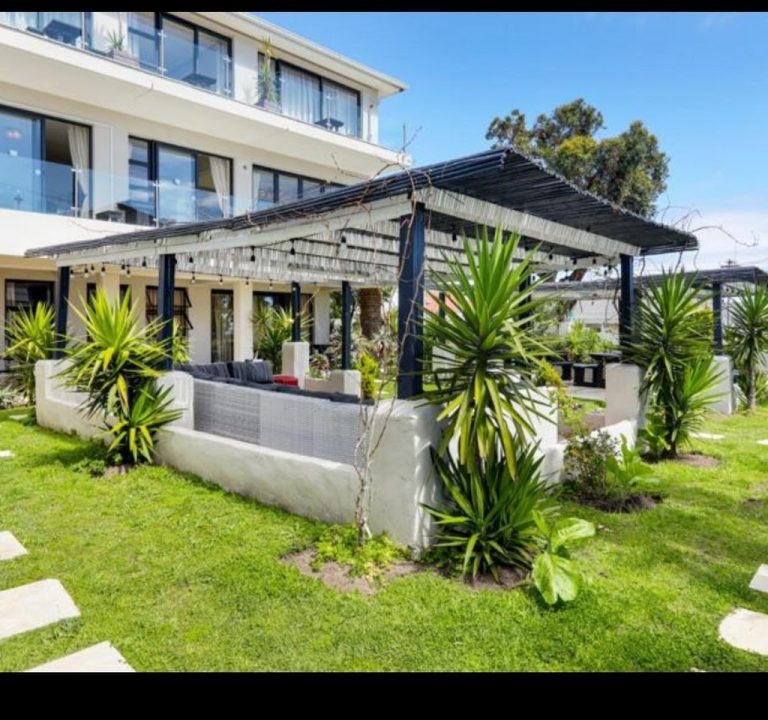
Limar Luxury Accommodation represents one style of stay you might encounter in Cape Town—a refined option that combines personalised service with thoughtful amenities. Whether you are drawn to modern interiors, classic decor, or a historic house with grand rooms, seek spaces that feel comfortable after long days of sightseeing. Look for properties that clearly communicate what is included in the rate, such as breakfast or on-site facilities, and check that the layout suits your travel party, especially if you are travelling with children or multiple guests.
Typical amenities to expect include private or shared lounge areas, free Wi‑Fi, and well-equipped en-suite bathrooms. Many properties offer unobstructed views of the ocean or mountains, outdoor pools, and secure parking. A well-appointed residence might feature air conditioning or heating, a well-equipped kitchen or kitchenette, and good soundproofing for a restful night after busy days. If you value sustainability, look for energy-saving features, recycling options, and water-wise practices, which many Cape Town hosts now highlight in listings.
- Check proximity to the places you want to visit—Table Mountain, the V&A Waterfront, Kirstenbosch Gardens, and the Constantia wine route are common day trips.
- Consider transport needs: proximity to MyCiTi services, easy taxi access, or secure parking if you plan to rent a car.
- Assess safety and neighbourhood vibe: some areas are more residential and quiet at night, while others buzz with nightlife and markets.
- Review cancellation policies and entry requirements for peak seasons, and note any minimum stay rules during holidays.
When planning transport, Cape Town’s geography rewards a little advance thinking. The MyCiTi bus network covers many corridors, but for flexibility, a short ride from a central hub to the closer hills or beaches can save time. Uber and other ride-hailing services are widely available, and many hotels arrange transfers or offer recommendations for trusted drivers. If you are exploring the Cape Peninsula, a guided day trip or a pre-arranged private driver can simplify travel between scenic stops, from Cape Point to the penguin colonies along the coast.
The best time to visit Cape Town is influenced by weather and crowds. Summer (December to February) brings longer days and sea breezes, ideal for outdoor activities and beach time. Shoulder seasons—late spring and early autumn—offer milder weather with fewer crowds and often better value. Winter (June to August) is cooler and wetter, but the dramatic sea and mountain scenery remain compelling, with fewer visitors and the chance to enjoy indoor culture and dining experiences.
Practical tips to help you make the most of your stay include booking accommodations with flexible check-in, clear information about security and gate access, and amenities that suit your rhythm—whether that means a peaceful balcony for morning coffee, a breakfast service, or a well-equipped kitchenette for light meals after a day of exploring. Pack layers for both sun and cool coastal evenings, and bring a reliable adapter for South Africa’s plug sockets. If you plan to visit major attractions, consider timed-entry reservations where possible, and pace yourself to avoid weekend crowds at popular viewpoints and markets.
Beyond lodging, Cape Town offers a wealth of experiences that complement your stay. Nature lovers can plan walks up Table Mountain or a coastal hike with panoramic views. Cultural travellers may enjoy museums, galleries, and markets that showcase local crafts, design and culinary traditions. When it comes to dining, Cape Town’s restaurant scene ranges from casual eateries serving seafood and fire-grilled fare to refined venues that highlight South African flavours with modern twists. In most districts you’ll find casual cafés for breakfast or lunch, family-friendly options, and sophisticated venues for a special dinner. For a well-rounded itinerary, aim to balance time in nature with time exploring the city’s street life, markets and waterfronts, while leaving room for spontaneous discoveries along the way.
In short, Cape Town rewards thoughtful planning: pick a neighbourhood that suits your pace, choose a comfortable base with reliable amenities, and build in a mix of outdoor adventures, cultural immersion, and leisurely meals. Whether you stay at a refined property such as Limar Luxury Accommodation or another neighbourhood boutique, you’ll have a solid foundation from which to explore Cape Town’s diverse attractions, savour its cuisine, and create lasting memories of a dynamic South African city.