Cape Town: where to stay, plan your itinerary, and make the most of the Western Cape
Cape Town offers a vibrant mix of coastal scenery, cultural experiences, and diverse dining, all within reach of comfortable accommodation. When planning a stay, consider the neighbourhoods that best suit your style, whether you crave sea views, mountain access, or easy access to the city’s historic sites. From boutique B&Bs to family-run guesthouses and contemporary hotels, there are options to match every budget and preference. A well-situated base can save travel time and maximise your time for exploring seaside promenades, wine estates nearby, and bustling markets along the harbour and CBD.
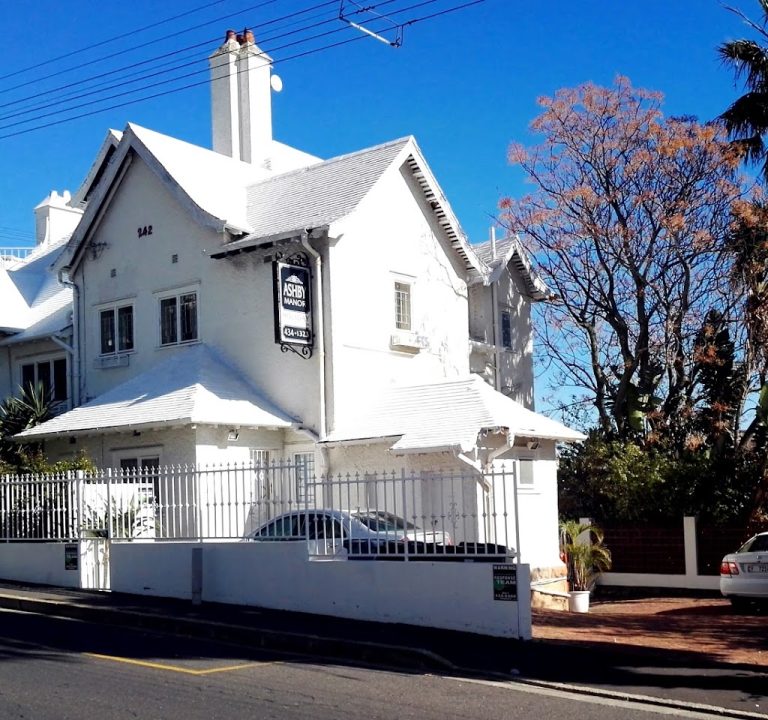
One distinctive type of stay in Cape Town is a bed & breakfast, where a personalised welcome and a hearty morning meal help you settle in like a local. For example, Maison Fontainbleau exemplifies this category, offering a homely atmosphere and proximity to popular sights. It is worth exploring a few carefully chosen properties to compare what is included, such as on-site parking, daily housekeeping, and access to common spaces where other guests share travel tips. When browsing, look for clear photos, current guest reviews, and transparent pricing that includes or excludes breakfast and self-c catering options.
Areas to consider when booking
- City Bowl and the central city: Within easy reach of museums, galleries, nightlife, and a lively dining scene. Good for first-time visitors who want to walk to many attractions and use public transport or Uber/taxi services.
- Green Point and the V&A Waterfront: Perfect for harbour views, sea breezes, and access to coastal paths. Ideal for travellers who value walkable routes and a seaside ambience.
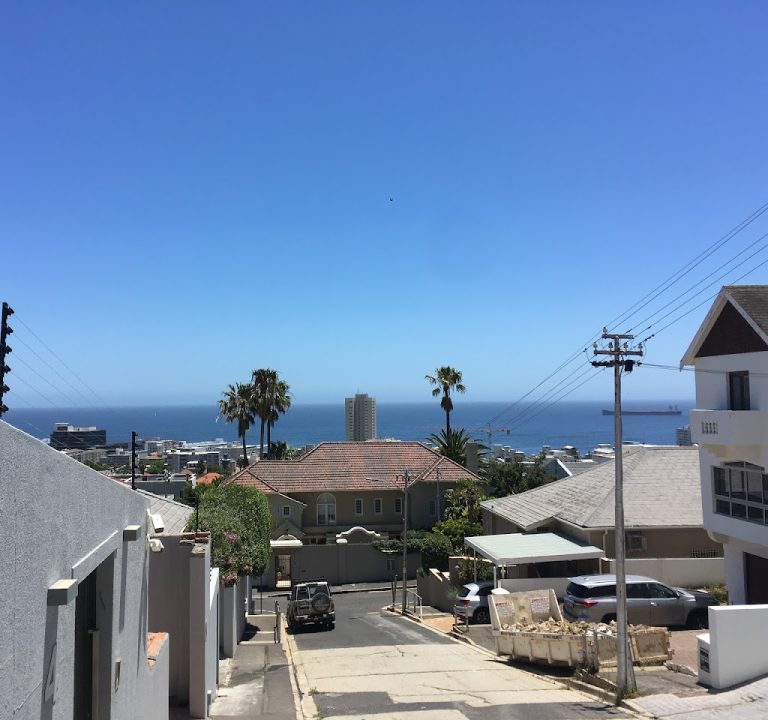
- Table Mountain foothills (Tamboerskloof, Oranjezicht, or Gardens): Peaceful, leafy streets with quick access to hiking trails and panoramic views. Suited to travellers seeking a quieter stay and a more residential feel.
- Southern Suburbs (Camps Bay, Claremont, Constantia): Scenic drives, wine routes nearby, and a relaxed pace. Great for those who want to combine beach time with day trips to wine estates and nature reserves.
What to look for when booking
- Amenities: Wi‑Fi that supports work or streaming, adequate storage, private en-suite bathrooms, air conditioning or fans for warmer months, and secure parking if you are renting a car.
- Transport access: Proximity to major routes, airport transfers, and reliable public transport options or ride-hailing services. Proximity to a MyCiTi bus stop or a train station can be advantageous in busy seasons.
- Breakfast and meals: If included, check whether it is continental or hot-cooked. Some properties offer shared dining areas or kitchens for self-catering.
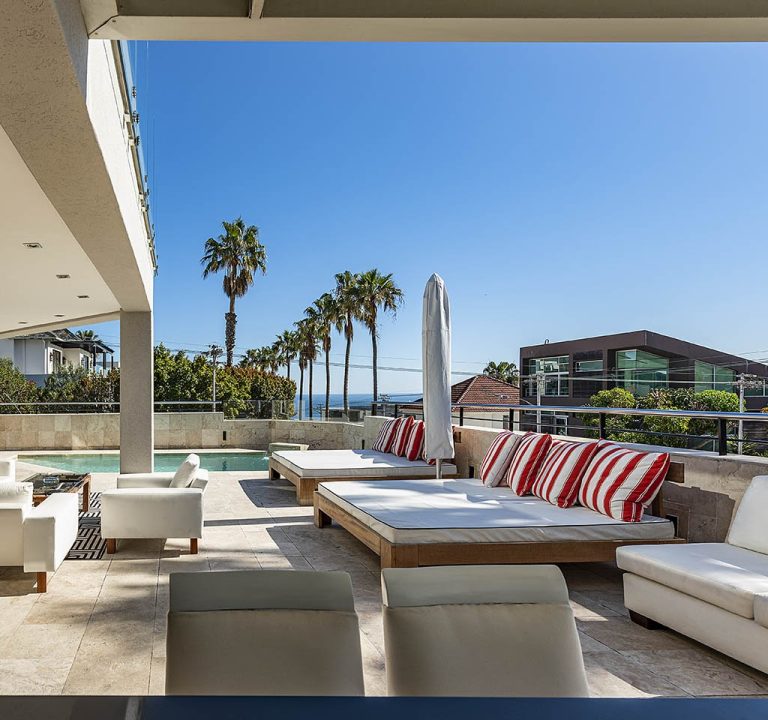
- Guest community and spaces: Common lounges, gardens, or terraces can enhance your stay, especially in good weather when you want to mingle with fellow travellers.
- Size and suitability: For families or groups, consider larger rooms or interconnecting suites, and accessibility if required.
Typical amenities to expect
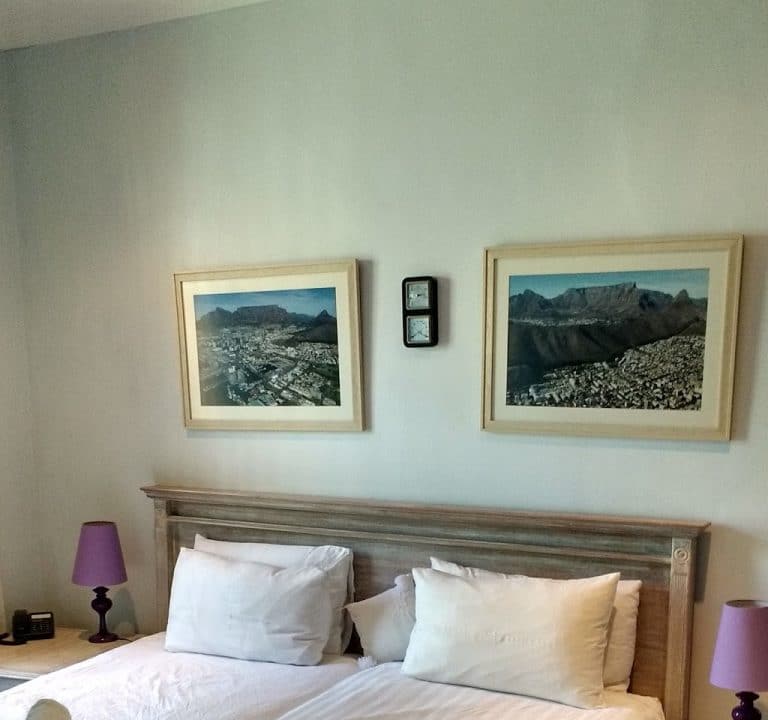
Even modest Cape Town stays often include thoughtful touches: comfortable beds with quality linens, reading lamps, and sufficient electrical outlets. Many B&Bs provide locally sourced toiletries, coffee and tea facilities in rooms, and reliable hot water. Look for good natural light, serene views, and quiet corners for rest after day-long excursions. Some properties may offer curated itineraries, maps, or staff recommendations for day trips to nearby attractions, including scenic coastal drives and wine regions just beyond the city limits.
Transport and planning tips
Cape Town’s layout rewards planning. If you have a car, you can explore the Atlantic Seaboard and the Constantia valley with relative ease, though some streets around the central business district can be busy in peak season. If you rely on public transport, the MyCiTi bus network and nearby train routes provide a cost-effective option, though services may be less frequent on Sundays. In peak tourist periods, early starts help you beat crowds at popular viewpoints and tables at sought-after restaurants.
Best time to visit
The city enjoys mild winters and warm summers. December to February brings lively beach scenes and outdoor events, while March to May offers shoulder-season calm with pleasant temperatures for hiking and exploring gardens. June to August is cooler and can be windy, yet it is a good period for coastal scenery and fewer crowds. For those who want wine-tasting with fewer tourist queues, late spring or early autumn often proves ideal.
What to do and where to eat in broad terms
Cape Town’s attractions span natural beauty, cultural heritage, and culinary discovery. Iconic viewpoints provide photo opportunities over Atlantic seas and Table Mountain. Historic neighbourhoods, markets, and harbour walks offer a flavour of the city’s diverse communities. Restaurants range from refined dining rooms emphasising seasonal ingredients to casual eateries serving fresh seafood, wood-fired pizzas, and comforting favourites after a day outdoors. When planning meals out, it’s wise to book ahead during peak periods and allow time to stroll the surrounding streets and shops between courses.
Practical considerations for visitors
Bring adaptable clothing for coastal breezes and the variable mountain air. Check weather forecasts ahead of day trips to the Cape Peninsula or nearby nature reserves, and consider sun protection for outdoor activities. If you are booking a stay with an on-site host or a locally run establishment, you may enjoy insider tips on safe routes, best times to visit attractions, and recommendations for experiences off the beaten track. For a direct overview of a charming Cape Town stay, you can explore Maison Fontainbleau at their website: http://www.maisonfontainbleau.co.za/.