Accommodating Cape Town: Where to Stay and What to Do
Cape Town, with its dramatic coastline, mountain scenery and diverse neighbourhoods, offers a broad spectrum of accommodation options for every style and budget. From character-filled guesthouses in leafy precincts to modern self-catering escapes with valley views, planning a stay that matches your itinerary is key to getting the most from your visit. One convenient option is self-catering stays that combine space, privacy and flexibility, allowing you to tailor your days to the city’s rhythms and its exceptional surroundings.
When choosing where to stay, consider the areas that suit your interests and pace. The City Bowl and the central Foreshore offer easy access to attractions, cafés and nightlife, with convenient transport links. The Atlantic Seaboard—including areas such as Camps Bay, Clifton and Sea Point—provides spectacular sea views, sun-soaked beaches and a more laid-back vibe, ideal for long coastal walks and sunset flavours. Constantia and Hout Bay tempt visitors with green hills, wine routes and family-friendly activities. For a more historic atmosphere, the Bo-Kaap and the Wynberg/Muestras precincts offer charm, atmosphere and easy access to markets, cafés and cultural sights. If your plans include day trips to the Winelands or the Cape Peninsula, pick a base with straightforward routes to the motorway arteries or good public transport connections.
Typical self-catering and guesthouse amenities you might encounter include well-equipped kitchens or kitchenettes, private or en-suite bathrooms, comfortable living areas, free Wi‑Fi, and outdoor spaces such as balconies or patios. Some properties provide security features, off-street parking, or access to communal gardens and pools. When booking, check for essentials that will save time and money, such as a washing machine or laundry service, clear check-in instructions, and local information on nearby groceries, bakeries, and public transport stops. For families or groups, look for flexible sleeping arrangements (extra beds or sofa beds), and for business travellers, reliable desk space and quiet rooms can be important. A property that offers a detailed guest guide—highlighting nearby markets, scenic walks, and must-try eateries—is especially valuable in a city with so many options.
How to plan your stay effectively? Start with a rough daily plan that balances nature, culture and dining. If you aim to explore Table Mountain, plan your ascent for early morning to beat crowds and heat; for Cape Point, a full day to enjoy the coastal scenery and wildlife views is wise. Include time for walks along the Sea Point Promenade, a visit to Kirstenbosch National Botanical Garden, or a wander through historic districts. For shopping and dining, the V&A Waterfront is a hub, but equally enjoyable are the markets and eateries in local neighbourhoods that offer fresh seafood, wood-fired pizzas and seasonal produce. During high season, book experiences or restaurant reservations in advance, but leave some room for spontaneous discoveries—Cape Town rewards curiosity.
Transport in Cape Town is varied and generally straightforward. The MyCiTi rapid bus system covers many parts of the city and nearby suburbs, offering a cost-effective way to hop between neighbourhoods. Uber and other ride-hailing services operate widely, which can be convenient after a day of exploring the city’s hills and beaches. If you’re renting a car, plan your routes with the scenic coastal drives in mind and park in well-lit areas, particularly in busy commercial zones. For travel to the Winelands or Cape Point, consider a guided tour or pre-arranged transfer to maximise your time and comfort.
Best time to visit Cape Town depends on your priorities. Summer (December to February) delivers long days, warm sea swims and lively outdoor markets, though it can be busier and pricier. Spring (September to November) and autumn (March to May) offer milder weather, fewer crowds and excellent conditions for harbour walks and nature trails. Winter (June to August) is cooler and wetter, but it’s also a peaceful period with fewer visitors and the chance to enjoy indoor attractions, museums and cafés at a relaxed pace.
Booking considerations and practical tips:
- Location versus views: a small compromise on height can yield better access to essentials and transport, while a dramatic sea view can make the morning coffee feel luxurious.
- Cancellation policies and flexible dates: during peak seasons, flexible options help weather changes in travel plans or weather delays.
- Self-catering inclusions: check if the kitchen is well-equipped for your cooking needs and if there are nearby markets for fresh ingredients.
- Accessibility and stairs: note any mobility considerations, as many properties in hilly areas have stairs or limited elevator access.
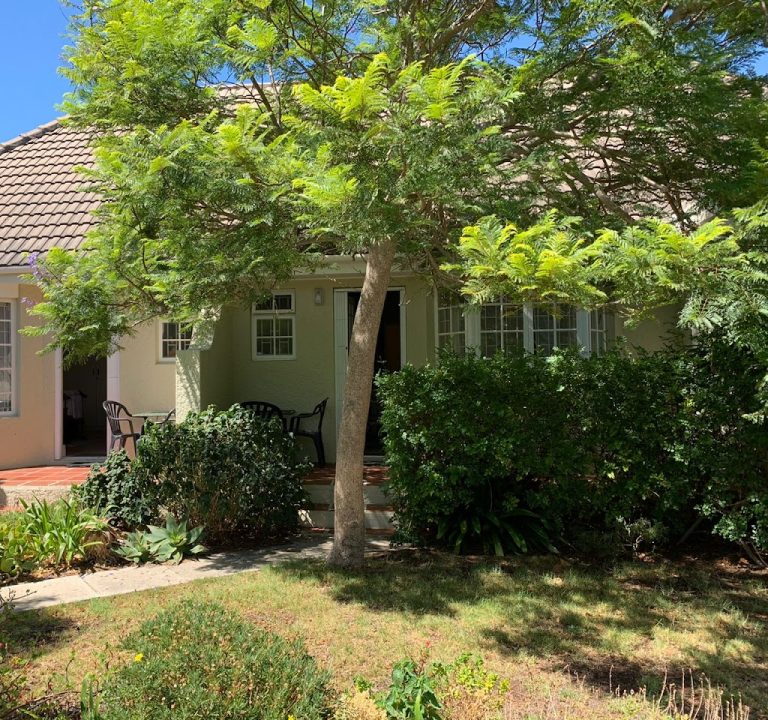
For a comfortable base that emphasises space, privacy and home comforts, consider Cape Cottages, a self-catering option designed for guests who want the freedom to shape mornings and evenings at their own pace. Learn more and explore availability at Cape Cottages.
Finally, while accommodation sets the scene, Cape Town’s breadth of experiences completes the stay. Whether you’re gazing across the Atlantic from a seaside balcony, wandering markets for handmade wares, or enjoying a slow lunch in a leafy neighbourhood, the city invites you to roam, savour and return with memories stitched into every hillside and harbour.