Staying in Cape Town: accommodation ideas and how to plan your visit
Cape Town offers a diverse range of places to rest your head, from boutique lodges tucked into leafy suburbs to contemporary apartments with sea views along the Atlantic coast. When planning a stay, think about what you want to see and how you like to move around. The city is compact enough to explore on foot in certain neighbourhoods, but a longer stay also rewards those who hire a car or use reliable public transport to reach beaches, markets and hill-top viewpoints.
Neighbourhoods to consider include the central City Bowl, where hotels and guesthouses are convenient for museums, iconic architecture and lively dining. The Atlantic Seaboard areas along the coast—such as Green Point, Sea Point and Camps Bay—offer ocean vistas, easy promenade walks and a mix of stylish lodgings with outdoor spaces. For a more days‑out‑oriented stay, Constantia and Muizenberg provide access to wine estates, scenic drives and family-friendly beaches. Bo‑Kaap offers a history-rich stay with colourful streets and proximity to Signal Hill and the V&A Waterfront. If you prefer a trendier, creative vibe, neighbourhoods such as Woodstock and Observatory host smaller guesthouses and self‑catering options near boutique shops and eateries.
When choosing accommodation, consider the basics: private en-suite bathrooms, reliable hot water, and a good kettle or coffee setup for a reflective morning. Look for locations with secure parking if you’re hiring a car, or easy access to public transport routes. A strong Wi‑Fi connection is increasingly essential for planning day trips, updating travel notes, and streaming after a day out. Restaurants that offer breakfast or on-site dining can be particularly convenient for early starts or lazy mornings after a full day of exploring.
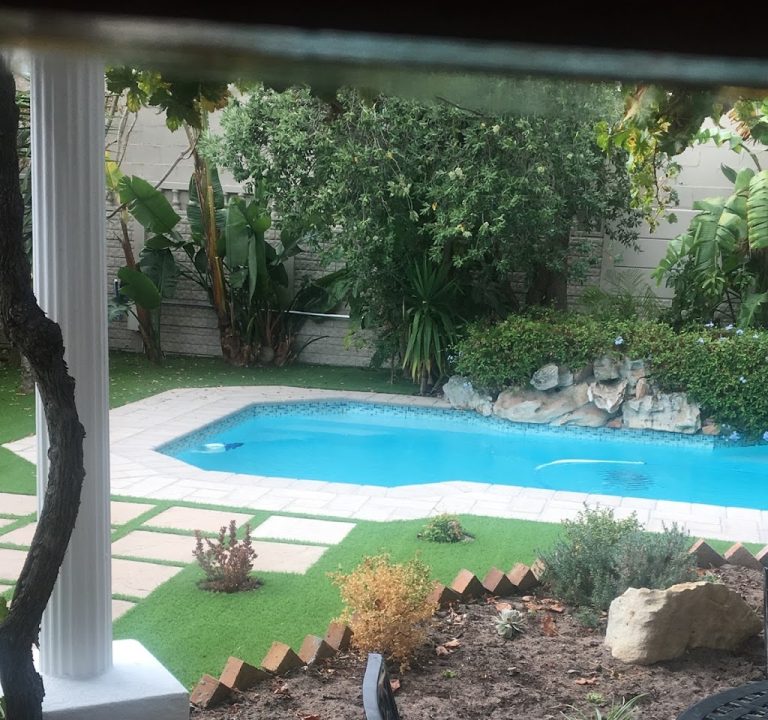
Typical amenities you might encounter include free Wi‑Fi, daily housekeeping, air conditioning or fans for warm coastal nights, and self-catering facilities such as a kitchenette or kitchen access. Some properties provide communal lounges, sun decks, or small pools, which are welcome on hot Cape Town days. Families sometimes favour units with separate living spaces and flexibility for cots or extra beds, while solo travellers may prioritise proximity to markets, nightlife, and public transport hubs. Always check accessibility features if required, and confirm the housekeeping schedule for stay lengths that are longer than a weekend.
Transport in Cape Town is varied and generally straightforward. The MyCiTi bus network serves many routes across the city, while Uber and other ride-hailing apps are commonly used for quicker hops between sights or dining spots. If you plan to explore Cape Point, the Cape Winelands, or the Cape Peninsula more extensively, you might prefer to hire a car for a day trip or two. When booking accommodation, consider how easy it is to reach the city’s main attractions on foot or by short taxi rides from your door. Some properties also offer shuttle services or arranged tours, which can be a convenient add-on to a busy itinerary.
Best time to visit Cape Town depends on your aims. Summers (December to February) are warm and lively, ideal for beaches and outdoor dining, but can be busy. Autumn (March to May) and spring (September to November) offer milder temperatures and fewer crowds, with excellent coastal views and pleasant vineyard excursions nearby. Winter (June to August) is cooler and wetter, yet many museums and galleries remain inviting indoors, and the city’s remarkable scenery can still be enjoyed from sheltered viewpoints. Pack layers to adapt to shifting weather, especially if you plan to ascend Table Mountain by cable car or hike round the Peninsula.
Practical tips to help you enjoy a smooth stay:
- Book accommodation with a cancellation policy that suits your travel plans, especially during peak seasons or long weekends.
- Verify the proximity to a reliable supermarket, pharmacy and essential services to minimise daily errands.
- Check whether the property offers breakfast or has self-catering facilities, and whether there are nearby options that fit your dietary needs.
- Confirm access to parking or transport options, particularly if you are staying in the city centre or popular coastal zones.
- Respect local safety guidance and be mindful of personal belongings in busy areas, especially at night near tourist hotspots.
For those seeking specific accommodation options, Balmoral Cottage is one such lodging choice in the region. Depending on the season and the stay length, it can provide a convenient base from which to explore coastal walks, mountain views, and nearby markets. When researching, compare several properties in your preferred area to balance price, privacy, and proximity to points of interest. Always review guest feedback about noise levels, cleanliness, and the responsiveness of hosts or management.
As you plan your itinerary, pair your stay with flexible day plans. Balance outdoor adventures—such as sea-facing strolls and hikes—and cultural experiences with relaxed meals at varied eateries, from casual cafés to more intimate dining rooms offering local flavours. Cape Town’s blend of natural beauty, historical richness and modern hospitality makes it possible to tailor a stay to your pace, whether you prefer a serene coastal retreat or a lively city-base for exploring the Western Cape’s treasures. For practical up-to-date ideas and inspiration, consider visiting official tourism resources linked from reputable travel sites.