Cape Breeze Self Catering @Horizon Bay is a Lodging establishment in Cape Town, Western Cape, South Africa
About Cape Breeze Self Catering @Horizon Bay
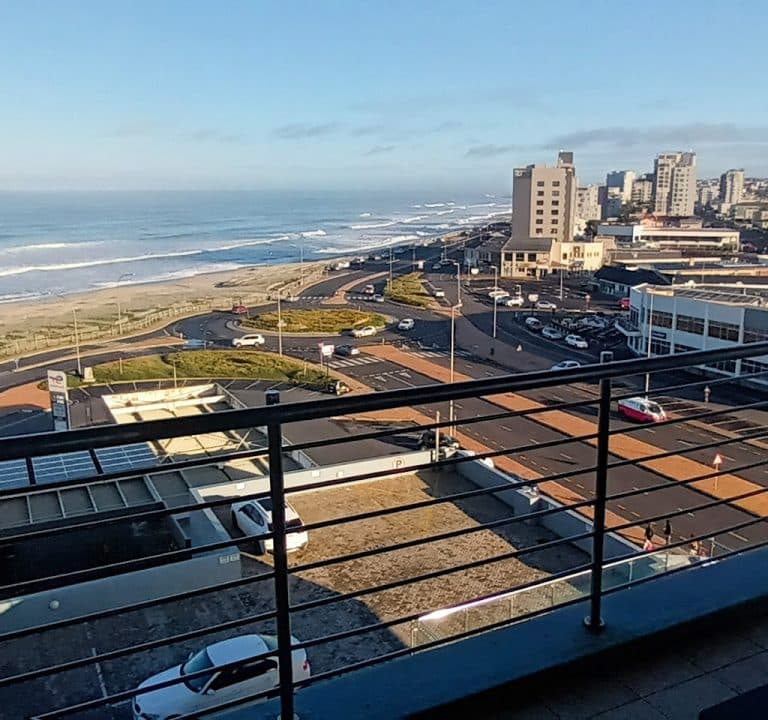
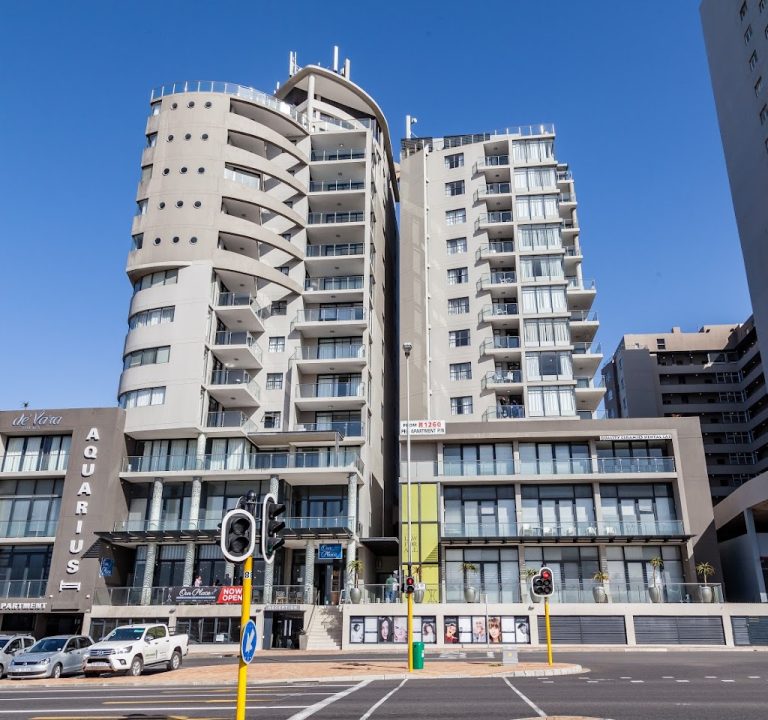
Cape Breeze Self Catering @Horizon Bay is a coastal accommodation option in Cape Town, Western Cape. Described as a self‑catering stay, it is positioned to suit travellers who value independence and flexibility during their visit to the city and its surrounds. The configuration and exact on‑site facilities are not detailed on the referenced page, but the offering is framed around self‑contained living elements that guests can use to prepare meals and enjoy time on their own schedule.
As an externally hosted property, it presents as a convenient base for exploring the wider Western Cape region. Guests can expect a straightforward, practical setup that prioritises comfort and ease of stay, with an emphasis on private, self‑directed living. The appeal of such a layout typically lies in the ability to manage daily routines without strict dining requirements, which can be especially useful for longer stays or family trips.
The setting is described through a traveller‑friendly lens, making it suitable for visitors who appreciate a degree of autonomy and a relaxed atmosphere. While specific room types or layouts are not listed in the accessible content, the emphasis remains on the self‑catering concept, allowing guests to tailor meals and daily schedules to their preferences.
For those planning a Cape Town visit, this option offers a practical alternative to traditional hotel stays, centred on space, privacy, and the freedom to organise living areas as needed. The property’s online presence points to a direct, uncomplicated booking pathway via its official site, which is the best source for current availability, rates, and practical terms.
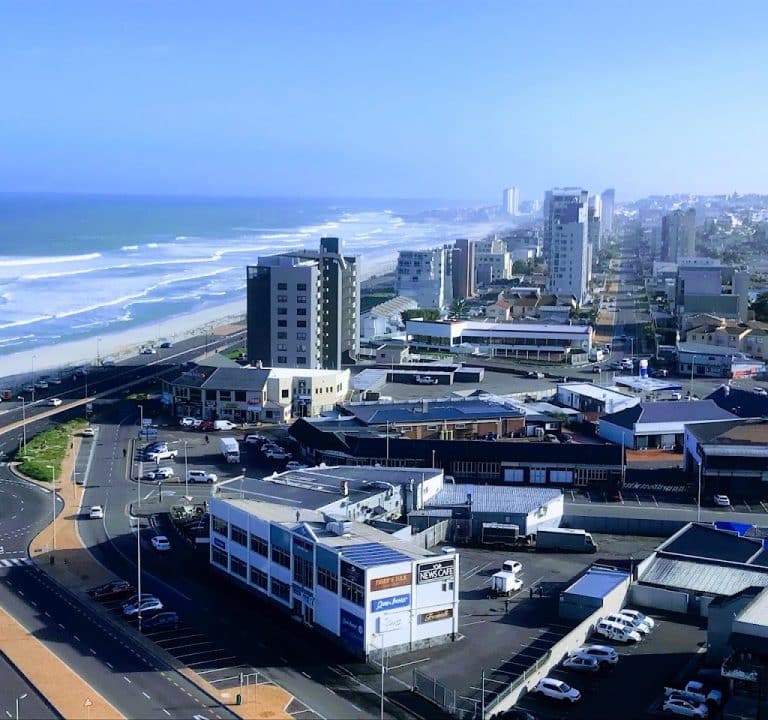
Nearby highlights and experiences will vary with location, and the site encourages travellers to consult its pages for updates on what is convenient near Horizon Bay. While the exact attractions are not specified in the available material, the area is generally known for its coastal access and easy reach to the city’s broader cultural and natural appeal, making it a sensible choice for travellers who want a balanced mix of relaxation and exploration.
Booking and travel tips: to ensure the most accurate and up‑to‑date information, consult the property’s official website directly. Review accommodation details, self‑catering arrangements, and any terms related to stays, check‑in procedures, and house rules. Since contact information such as telephone numbers or email addresses is not shared here, the official site remains the primary resource for reservations and policy clarification. A link to the home page is provided for convenient access to further details and direct booking options.
- Direct website checks are recommended for the latest availability and pricing.
- Consider a self‑catering plan to maximise flexibility during the stay.
- Review any on‑site facilities and policies on the official site before confirming the booking.
Cape Town
Western Cape
7439
South Africa


Accommodation and Planning a Stay in Cape Town: Where to Stay, What to Look For, and What to Do
Cape Town blends dramatic scenery with a vibrant mix of neighbourhoods, making it essential to pick a base that suits your plans. Whether you want easy access to the city’s cultural highlights, long beaches, or wine routes just beyond the urban edge, there are lodging options to match. For a practical example, a self-catering option such as Cape Breeze Self Catering at Horizon Bay offers a flexible stay with sea views and convenient access to coastal paths, while staying at a variety of lodges, guesthouses, and boutique hotels can provide distinctive flavours of the city.
Areas to consider when booking include the City Bowl and the Central Business District for walkable access to museums, markets, and restaurants, and the V&A Waterfront for harbour views and easy day trips. The Atlantic Seaboard, including Green Point, Sea Point, and Camps Bay, is prized for long coastal walks, sunset scenery, and a cosmopolitan dining scene. Constantia and the Southern Suburbs are ideal for green spaces, wine estates, and a relaxed pace. For a more local flavour, neighbourhoods such as Bo-Kaap offer colourful history and easy access to the city’s steep hills and viewpoints.
When choosing accommodation, consider a mix of comfort and practicality. Typical amenities to look for include a well-equipped kitchen or kitchenette (for self-catering stays), reliable wi‑fi, secure parking, laundry facilities, and clear information about access and safety. If you plan to spend evenings in, a comfortable lounge area and kitchen/dining space can be as important as parking. For longer stays, properties with adequate storage, a work desk, and consistent hot water are practical essentials. If you’re visiting in peak season, confirm whether the property has air conditioning or efficient cooling for the warmer months, and whether the host or management team can offer flexible check-in arrangements.
Transport in Cape Town is convenient but not uniformly rapid, so plan your movements with the geography in mind. The MyCiTi bus network covers many tourist routes and major corridors, while Uber and taxis provide door-to-door convenience. For those exploring beyond the city, rental cars enable day trips to the Cape Winelands, Cape Point, and penguin-bearing shores along the coast. If you’re staying near the coast, you’ll likely appreciate close proximity to beaches, promenade paths, and scenic viewpoints. When booking, check how easy it is to reach the nearest MyCiTi stop or whether the property provides a shuttle arrangement or parking facilities if you’re driving.
The best time to visit Cape Town changes with your priorities. Spring (September to November) brings blooming gardens and milder weather, while autumn (March to May) offers pleasant temperatures and quieter streets. Summer (December to February) is peak season with long days and abundant outdoor activities, but can be busier and more expensive. Winter (June to August) brings cooler, windy days that are great for museum visits, wine-tasting in sheltered venues, and dramatic coastal scenery when the weather shifts. If you’re planning outdoor activities such as hiking Table Mountain routes or visiting Cape Point, aim for late spring or autumn to enjoy comfortable conditions and clearer skies for views.
When selecting an area for your stay, think about how you’ll spend your time. A coastal base might be ideal for morning beach walks and sunset drives along the Atlantic Seaboard, with a quick drive or ride to the city’s cultural hubs for evenings out. A central base can reduce transit time to galleries, tasting rooms, and markets, while Constantia or the Southern Suburbs offer tranquillity and access to wine estates and expansive nature reserves. If your itinerary includes Robben Island or the Table Mountain Cableway, check whether your chosen accommodation can assist with timing or offer guidance on arranging pre-booked tours to avoid queues during peak periods.
Practical tips to help you plan your stay:
- Book in advance for peak seasons, particularly along the Atlantic Seaboard and waterfront areas, and consider flexible cancellable rates where possible.
- Read recent guest reviews focusing on cleanliness, responsiveness of hosts or management, and clarity of arrival instructions.
- Check proximity to public transport and local amenities such as supermarkets, cafes, and laundries.
- Ask about security provisions, especially if you’ll be staying in more residential or hillside areas.
- Look for properties with flexible check-in times or self-check-in options to accommodate travel delays.
In terms of experiences, Cape Town’s appeal lies in both natural beauty and culinary variety. Visitors can enjoy scenic viewpoints, Table Mountain and landscapes that invite easy day trips to the Cape Peninsula and the Winelands. Dining ranges from markets and casual eateries to fine dining restaurants highlighting South Africa’s diverse flavours. For a well-rounded stay, couple a few iconic sights with a leisurely stroll through local markets, coastal promenades, and relaxed cafés along the way. If you’re curious to explore a self-catering option with a sea view, you can explore Cape Breeze Self Catering at Horizon Bay and similar listings for a comfortable home base that suits a range of itineraries.
For more information on planning a stay and discovering Cape Town’s lodging options and experiences, you can visit accommodation providers’ pages and travel guides linked from individual property sites such as Cape Breeze Self Catering @ Horizon Bay.
Sorry, no records were found. Please adjust your search criteria and try again.
Sorry, unable to load the Maps API.
Why Claim Your Listing?
Claiming your listing on the B&B Finder directory website is a valuable opportunity for business owners. Here are five reasons why you should consider claiming your listings:
Control Over Business Information: By claiming their listing, business owners can ensure that all the information presented is accurate and up-to-date. This includes details such as contact information, address, pricing, and available services or amenities. Accurate information helps prevent customer confusion and improves overall satisfaction.
Enhance the Listing: Once a listing is claimed, owners can enhance it by adding more comprehensive information and rich media, like high-quality photos and videos. These additions can make the listing more attractive and engaging to potential customers, thereby increasing the likelihood of bookings.
Marketing Opportunities: Claiming a listing can also open up additional marketing opportunities. Owners may be able to participate in promotional campaigns, special offers, and other marketing activities organized by the directory. This can increase visibility and attract more customers to the business.