Staying in Cape Town: Accommodation, Attractions and Practical Planning
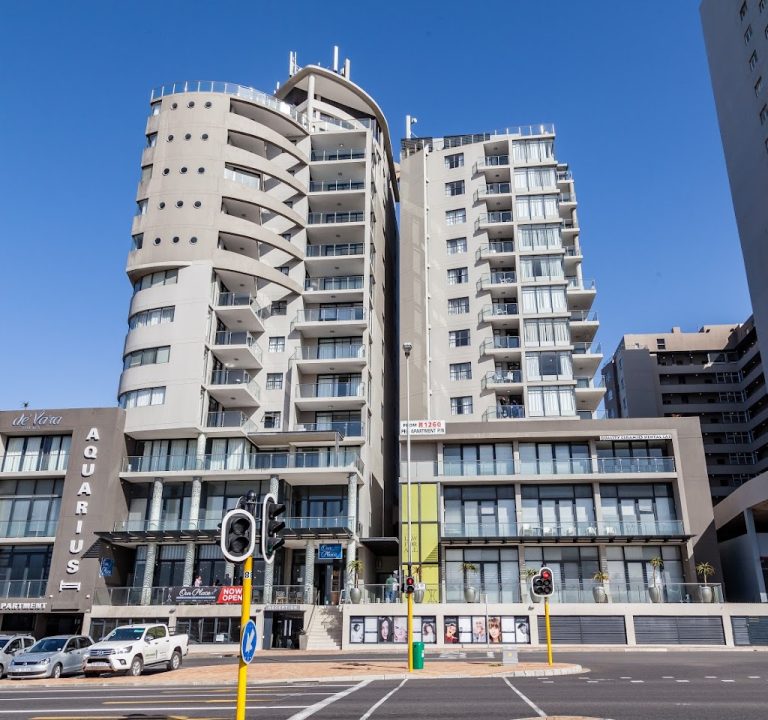
Cape Town sits amidst dramatic scenery, from the ragged coastline of the Atlantic Seaboard to the spine of Table Mountain. When planning a stay, choose a neighbourhood that matches your plans, whether you want beach access, easy city exploring, or easy access to wine country. Self-catering options such as apartments in Bloubergstrand can offer convenient bases for days on the coast, while boutique guesthouses in the City Bowl provide walkable access to museums, markets and excellent dining. A well‑chosen base can make the difference between a rushed trip and a restful, immersive visit.
Areas to consider include the City Bowl for historic streets, galleries and a vibrant food scene; the Atlantic Seaboard for beaches, sea views and sunsets; and Constantia or the Southern Suburbs for leafy residential stays and easy access to wine estates. If you plan day trips to the Cape Winelands or the Cape Point region, staying near central Cape Town or in the southern suburbs can reduce unnecessary driving in peak traffic. For water‑based activities and panoramic coastal walks, Bloubergstrand and Camps Bay provide iconic backdrops and close proximity to seafood restaurants and cafés.
What to look for when booking a stay:
- Location relative to your planned activities and transport needs (car hire versus public transport).
- Type of accommodation and whether self‑catering, a guesthouse room, or a boutique hotel best suits your itinerary.
- Access to amenities such as a well‑equipped kitchen, reliable wifi, laundry facilities, and parking options.
- Safety and security measures, especially for more central urban stays or overnight trips to popular beaches.
- Guest reviews and host communication to gauge responsiveness and accuracy of listings.
Typical amenities you might encounter include fully equipped kitchens or kitchenettes, comfortable living areas, and private terraces or balconies with sea or mountain views. Many properties in Cape Town offer flexible check‑in arrangements, secure parking, and guidance from hosts on local routes, markets, and seasonal dining. If you are travelling with family or a group, look for properties with multiple bedrooms or separate living spaces to keep everyone comfortable during longer stays. For couples seeking a quieter retreat, small guesthouses or boutique lodges often provide personalised attention and locally sourced breakfasts.
Transport and getting around are straightforward but worth planning in advance. The MyCiTi bus network provides a convenient way to reach major hubs such as the V&A Waterfront and the central business district from several neighbourhoods. Uber and other ride‑hailing services operate widely, offering flexibility for evenings out or early morning departures. If you opt for a self‑catering base, a rental car can be advantageous for exploring the wider region, including the Constantia Valley, Kalk Bay, and the Cape Point reserve. Some areas offer on‑street parking, while others provide secure private spaces as part of the accommodation package.
Best time to visit depends on what you want from your trip. Summers (roughly December to February) are dry and warm, ideal for beach days and outdoor activities, but can be busy, particularly along the popular Atlantic Seaboard. Spring (September to November) brings mild temperatures and blooming gardens, a wonderful time for walks in Kirstenbosch and coastal trails. Autumn (March to May) is pleasant with fewer crowds, and winter (June to August) can be cooler and wetter, yet theatre performances, museums, and indoor dining remain welcoming. If you plan outdoor adventures like hiking or coastal drives, pack layers for changeable conditions and protect against strong coastal winds and sun exposure at altitude or on open coastal routes.
When planning a stay, consider booking a mix of experiences and buffers. Day trips to the Cape Winelands or iconic viewpoints should be interspersed with quieter days at markets, museums or café districts. For family or group stays, arrange a couple of flexible days with a slower pace to enjoy the view from a balcony or veranda, followed by a day exploring local eateries and waterfront markets. If you are staying in a self‑catering apartment, you can balance home‑cooked meals with convenient dining out to sample Cape Town’s diverse culinary scene.
Attractions and experiences are wonderfully varied and generally easy to access from most areas. Iconic natural features such as a flat‑top mountain, sweeping coastline, and coastal nature reserves are complemented by cultural institutions, world‑class markets, and a renowned restaurant culture. In planning a balanced itinerary, mention should be made of scenic viewpoints, harbour promenades, botanical gardens, and conservation areas that offer both a sense of place and plenty of photo‑friendly moments. For restaurants, aim to explore a mix of seafood-focused spots, bistros, and casual eateries that celebrate local ingredients without relying on price or awards as sole guides.
For further inspiration and practical planning, consult official tourism resources and trusted travel guides. Cape Town’s tourism portals typically offer neighbourhood guides, suggested itineraries, and practical visitor information to help tailor your stay to your interests. If you are exploring self‑catering options, ensure the listing provides clear details on kitchen appliances, cleaning schedules, and any shared facilities. A thoughtful balance of comfortable accommodation, delightful dining, and carefully planned excursions will help you enjoy the best of Cape Town’s scenery, culture, and hospitality.
Website resources can provide useful context and updates on events, transit routes, or seasonal highlights. For more information about Cape Town’s tourism offer and area highlights, you can visit official tourism sites to help shape your plans and make the most of your time in the Western Cape.