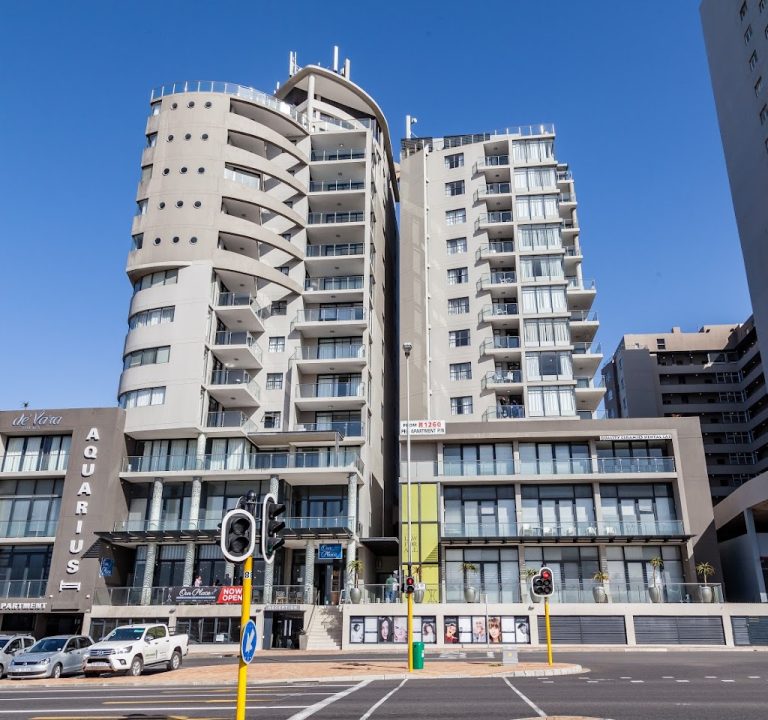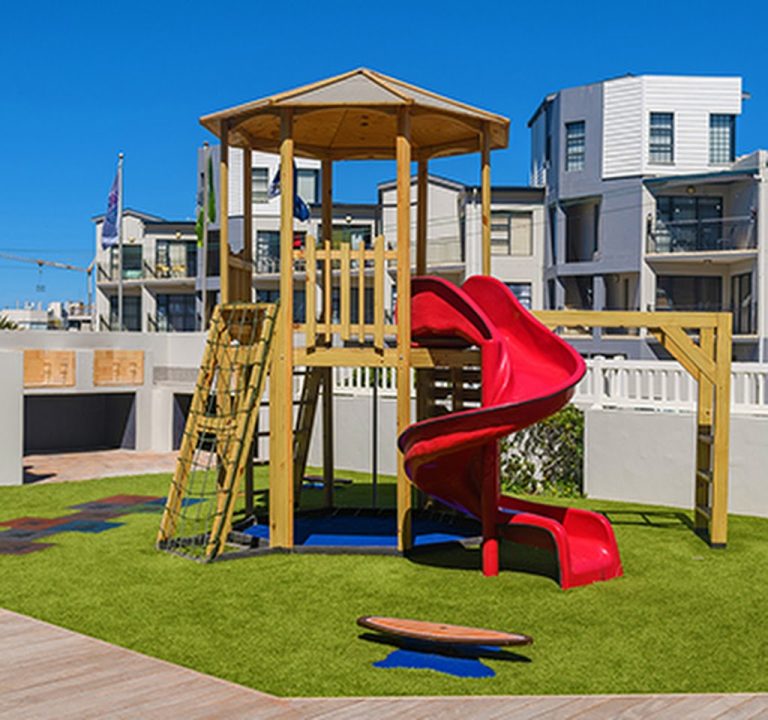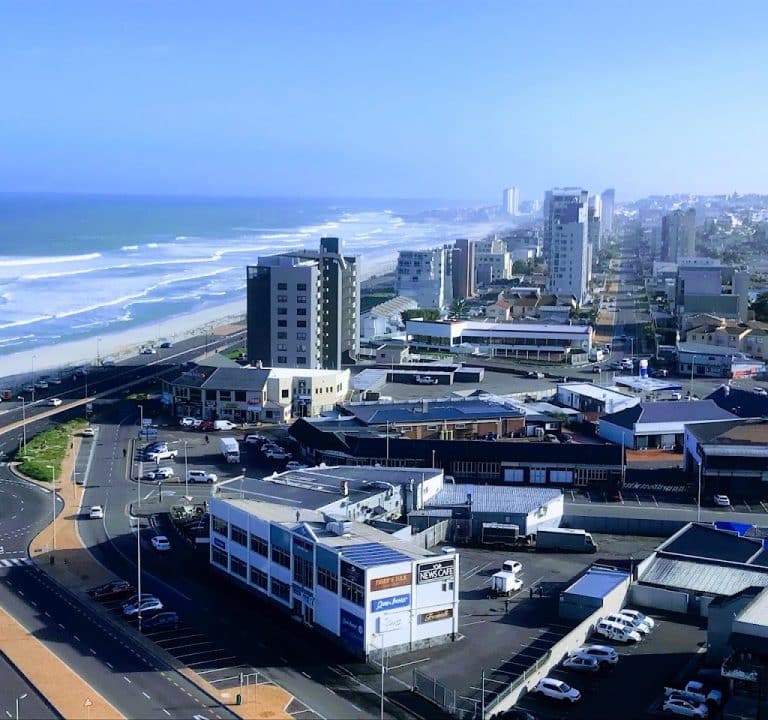
Aquarius Self-Catering Hotel is a Self-catering accommodation establishment in Cape Town, Western Cape, South Africa
About Aquarius Self-Catering Hotel, Cape Town
Situated in the vibrant city of Cape Town, Aquarius Self-Catering Hotel presents a practical and comfortable option for travellers seeking a self-catering base from which to explore the peninsula. The property sits within Cape Town’s broader ecosystem of short-term stays that emphasise convenience, flexibility, and a personalised approach to hospitality. Aquarius is described within a spectrum of carefully curated accommodations that cater to varying group sizes and travel styles, all aimed at delivering a straightforward, home-from-home experience for guests visiting the region.
From the outset, the emphasis is on self-catering convenience. The concept prioritises spaces that are suitable for guests who prefer to prepare meals, relax at their own pace, and maintain daily routines while on holiday or business trips. In this context, Aquarius Self-Catering Hotel offers a stay that prioritises independent living within a city-focused setting, allowing guests to tailor their days around local discoveries without being bound to restaurant schedules or fixed meal plans.
Accommodations within this type of offering are typically organised to maximise usability and comfort for travellers who value space and practicality. While exact room types, layouts, and on-site facilities may vary, the overarching aim is to ensure a welcoming, functional environment that can accommodate different group configurations, from couples to larger parties. The emphasis remains on delivering a flexible framework for longer stays or short visits alike, where guests can relax in a designated living area, prepare meals as needed, and use the premises as a convenient launchpad for Cape Town’s coastline, mountains, and cultural scenes.
For those assessing options in Cape Town, Aquarius Self-Catering Hotel represents a straightforward choice for travellers who prioritise autonomy and value. The property is positioned as a practical stay in the city, where guests can manage their days with relative ease, powered by the comfort and conveniences of self-catering living. The approach aligns with a broader trend in the city’s accommodation landscape, where boutique-style stays integrate practical kitchen facilities, flexible sleeping arrangements, and easy access to surrounding neighbourhoods and attractions.
Guests commonly benefit from booking through the site that presents Aquarius within its portfolio, with a focus on simplicity and reliability in securing a stay. While particular amenities and on-site facilities may not be exhaustively listed in every description, the core promise remains: a self-contained, comfortable place to rest, with the freedom to organise meals, daily routines, and plans in a way that suits individual itineraries. This approach is well-suited to travellers who value independence, cost-conscious planning, and a stay that adapts to changing plans during a Cape Town visit.
What makes Aquarius appealing to certain travellers is its balance between city accessibility and the ease of self-catering living. Potential guests should consider how the property fits into the broader travel goals—whether that means a focus on outdoor adventures, urban exploration, or simply a relaxed, low-key base after busy days of sightseeing. With a straightforward booking pathway and accommodation designed to support practical, family-friendly, or group stays, Aquarius aligns with a practical, no-fruss approach to enjoying Cape Town.
Nearby highlights and experiences in Cape Town sit within easy reach of many self-catering options, and Aquarius is positioned to be a convenient starting point for those exploring the region. Guests are encouraged to explore the various neighbourhoods, cultural sites, and natural landscapes that define Cape Town’s appeal, using the hotel as a flexible home while mapping out day trips, beaches, markets, and scenic viewpoints in line with personal interests and pacing.
Booking tips for potential guests include checking the listing for the most up-to-date room configurations, any available kitchen facilities, and the distance to preferred neighbourhoods or activities. Processing a flexible itinerary can help maximise the value of a self-catering stay, allowing time for spontaneous discoveries and planned events alike. For additional information and current availability, interested travellers can visit the property’s official page linked below.
- Consider the length of stay to maximise cost efficiency and convenience.
- Review kitchen and living space layouts to ensure they meet group needs.
- Cross-check proximity to preferred Cape Town neighbourhoods and attractions.
For further details and to explore booking options, the official website provides the primary source of information and access to reservations: Aquarius Self-Catering Hotel – Cape Town.
Cape Town
Western Cape
7441
South Africa
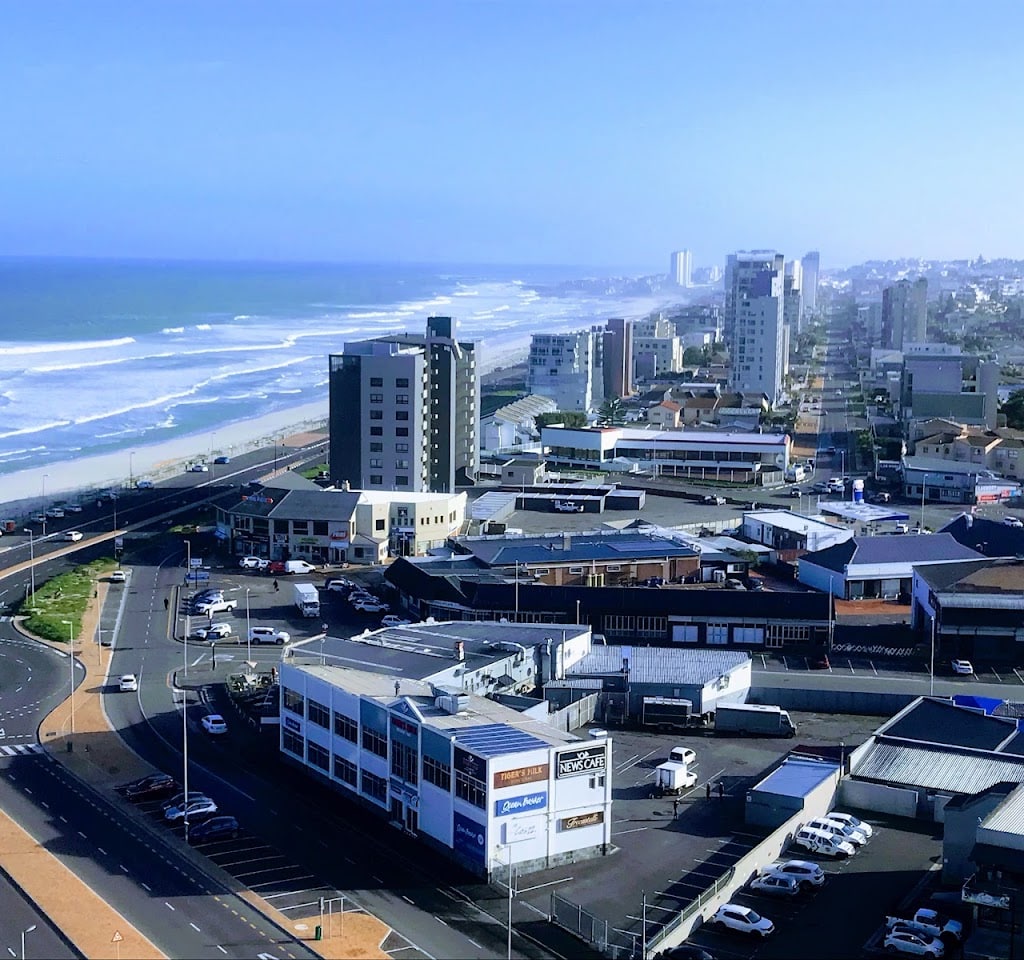
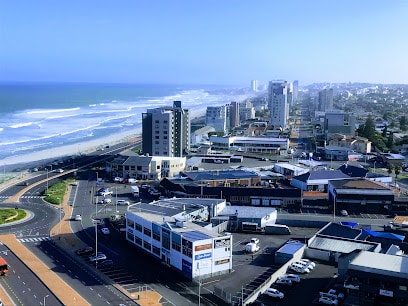
Staying in Cape Town: accommodation options, areas to consider, and practical tips
Cape Town’s allure lies as much in its dramatic setting as in its diverse neighbourhoods, offering a range of accommodation styles from elegant self‑catering apartments to cosy guesthouses and stylish hotels. Whether you seek a beachfront stay in Camps Bay, a city-centre base near the V&A Waterfront, or a tranquil retreat in the Constantia valley, planning a stay that fits both budget and travel style will help you make the most of this iconic destination.
When choosing where to stay, think about what you want to foreground during your visit. If you dream of easy access to beaches and nightlife, Camps Bay or Clifton provide glamour and sea views with convenient dining and sunset experiences. If you prefer museums, markets, and a foodie scene, the central city and the Bo-Kaap area place you within reach of galleries, historical streets, and vibrant eateries. For wine lovers and outdoor enthusiasts, Constantia and the Constantia Valley offer leafy lanes, vineyards, and a slower pace, often with excellent self-catering options for families or groups.
Accommodation types range from self‑catering apartments and holiday homes to boutique guesthouses and larger serviced residences. The Aquarius Self‑Catering Hotel, for example, represents one end of the spectrum where guests can enjoy separate living spaces with kitchen facilities, giving flexibility for longer stays and family trips. Practical advantages include the ability to prepare meals, store provisions, and come and go as you please, which is especially convenient for multi‑day itineraries.
Typical amenities to look for include reliable wi‑fi, secure access, well‑equipped kitchens or kitchenettes, comfortable living spaces, adequate storage for clothing and luggage, and clear housekeeping arrangements. If you are travelling with children or pets, verify family‑friendly policies and pet allowances in advance. Parking options, lift access, and proximity to public transport are also worth checking, as they can significantly influence daily plans when exploring Cape Town’s hills and harbours.
Transport in Cape Town is best planned with a flexible approach. Many visitors rely on hired cars for the outer districts and wine routes, while central areas are walkable or accessible by Uber and other ride‑hailing services. If you intend to venture into the city centre and the V&A Waterfront regularly, staying within a compact radius can save time and avoid steep hills after a long day of exploring. For day trips to Cape Point, the Cape Winelands, or the Cape Peninsula, consider a guided tour or a rental vehicle with a trusted operator to manage routes, particularly in peak seasons.
Best time to visit Cape Town spans spring and autumn (roughly September to November and March to May) when the weather is typically mild and crowds are manageable. Summer – especially December to February – brings warm days, sea breezes, and longer daylight hours, which is ideal for beach days and outdoor activities. Winter (June to August) is cooler and wetter, but the city’s cultural calendar remains rich, with museums and indoor attractions offering a different kind of charm.
When booking, be mindful of seasonal demand and the legibility of cancellation policies. Flexible options can be particularly valuable in Cape Town, where weather and sea conditions can influence activities, from marine safaris to coastal hikes. Reading guest reviews for practical details—quiet hours, cleanliness, responsiveness of hosts, and the accuracy of listing descriptions—helps set correct expectations and reduces surprises upon arrival.
Areas to consider, with the kind of experience they typically offer, include:
- Camps Bay and Clifton: stylish beachfront locations with fantastic views, access to upscale dining and sunset moments by the sea.
- Constantia and the Southern Suburbs: green hillside settings, wine estates, and a relaxed pace for families or travellers seeking quiet sophistication.
- V&A Waterfront and City Bowl: convenient access to museums, markets, harbour activities, and a lively urban scene.
- Observatory and Bo-Kaap: bohemian heartlands with cultural character, coffee culture, and intimate guesthouses.
Dining in Cape Town offers a breadth of options, from contemporary bistros to coastal seafood shacks and vibrant markets. Rather than focusing on individual restaurant names here, seek places that showcase fresh, locally sourced ingredients and present menus that reflect seasonal Cape flavours. Many accommodation options will provide guest information or local recommendations, helping you discover tucked‑away cafés, farmers’ markets, and neighbourhood favourites.
Other visitor experiences to consider planning alongside your stay include scenic drives along the coastline, gentle hikes with panoramic viewpoints, and wine‑tuelled day trips to the surrounding winelands. For families or groups, look for accommodation with lounge areas, outdoor spaces, and kitchen facilities to support relaxed evenings after sightseeing. For couples seeking romance, a well‑situated boutique guesthouse or a self‑catering suite with harbour or mountain views can create a memorable stay.
Finally, practical tips to help you book with confidence: compare listings across a few reputable platforms, check exact street location for easy navigation, confirm check‑in and check‑out times, and review the accessibility of public transport and local amenities. If you need inspiration before you travel, a quick browse of property pages or the official destination resources can provide a flavour of what to expect, along with practical guidance on planning your days around the city’s natural beauty and cultural riches. For more information on Cape Town stays, you can visit official accommodation listings and local tourism websites to discover curated options that suit your itinerary and budget.
Sorry, no records were found. Please adjust your search criteria and try again.
Sorry, unable to load the Maps API.
Why Claim Your Listing?
Claiming your listing on the B&B Finder directory website is a valuable opportunity for business owners. Here are five reasons why you should consider claiming your listings:
Control Over Business Information: By claiming their listing, business owners can ensure that all the information presented is accurate and up-to-date. This includes details such as contact information, address, pricing, and available services or amenities. Accurate information helps prevent customer confusion and improves overall satisfaction.
Enhance the Listing: Once a listing is claimed, owners can enhance it by adding more comprehensive information and rich media, like high-quality photos and videos. These additions can make the listing more attractive and engaging to potential customers, thereby increasing the likelihood of bookings.
Marketing Opportunities: Claiming a listing can also open up additional marketing opportunities. Owners may be able to participate in promotional campaigns, special offers, and other marketing activities organized by the directory. This can increase visibility and attract more customers to the business.