Cape Town: Where to Stay and What to See in the Western Cape
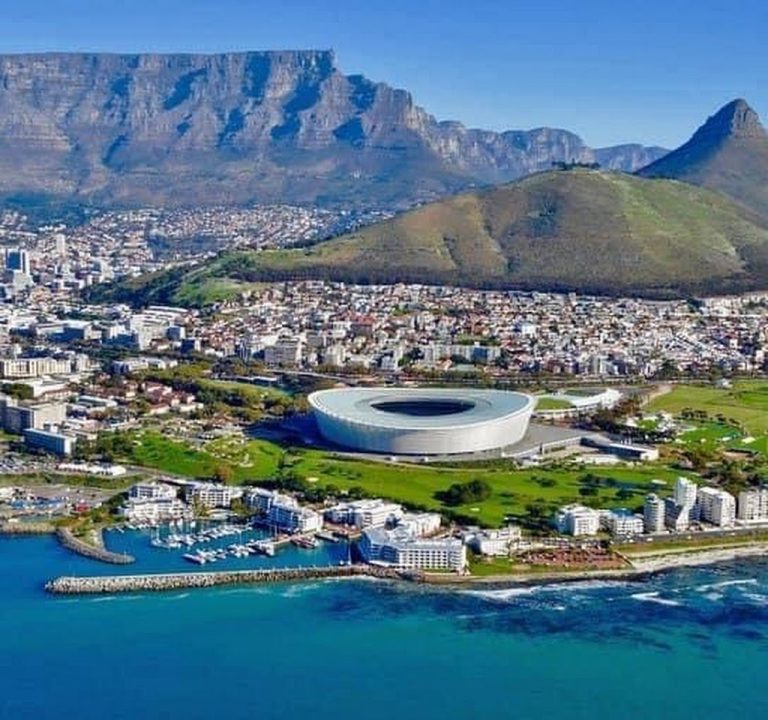
Cape Town offers a vibrant mix of neighbourhoods, landscapes and experiences that suit every traveller. When planning a stay, consider how you want to balance city convenience with access to nature, beaches and wine routes. A well-chosen base can cut transit time and maximise time enjoying what makes the region extraordinary: dramatic coastlines, iconic mountains and a cosmopolitan dining scene.
Areas to consider for accommodation include the City Bowl and the central business district for easy access to offices, markets and cultural sites. The historic Bo-Kaap neighbourhood provides colourful streetscapes and proximity to galleries and cafés, while Green Point and the V&A Waterfront offer a waterfront ambience with easy transport links. For beach lovers, the Atlantic Seaboard—including Camps Bay and Clifton—delivers long stretches of sand and stylish dining, and the subtler charm of neighbourhoods like Woodstock and Observatory can provide quieter evenings and easy access to local markets and cafés. If you prefer a leafy, wine country feel, Constantia and the nearby Constantia Valley provide access to hill views and easy drives to wine estates and nature trails.
What to look for when booking a stay depends on your priorities. Consider:
- Location relative to your planned activities (mountain hikes, beaches, markets, or business meetings).
- Room type and privacy, including en-suite facilities and soundproofing for a restful night after late dinners or long days.
- Amenities that matter most to you, such as reliable wifi, a well-equipped kitchen, parking, or an on-site restaurant.
- Guest reviews and host responsiveness, which can be helpful for navigating peak seasons or last-minute changes.
- Safety features, secure access, and well-lit public spaces, particularly in central districts after dark.
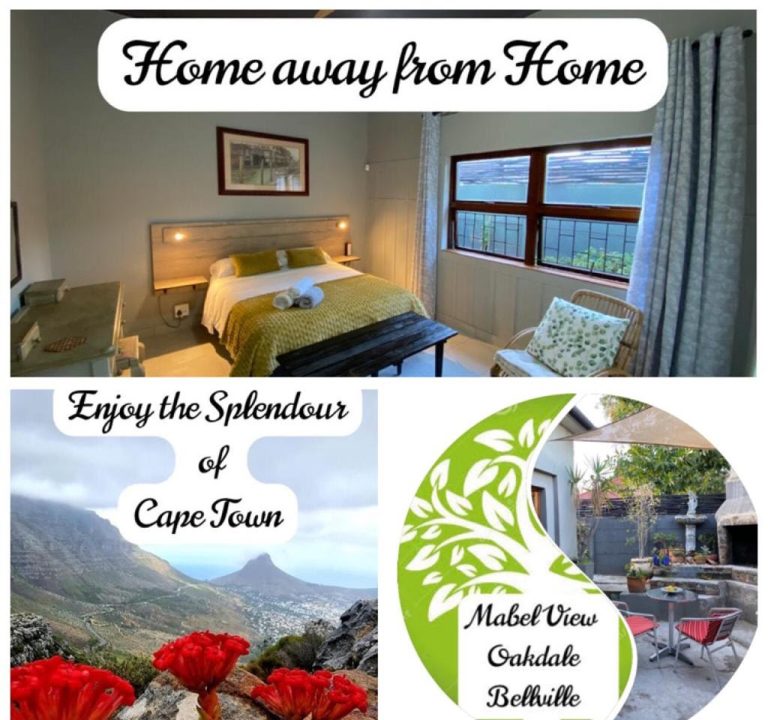
Typical amenities you might encounter range from stylish comfort to practical convenience. Expect well-appointed bedrooms with quality bedding, en-suite bathrooms, and climate control. Many Cape Town properties offer continental or full breakfasts, and some provide lighter meals or snack facilities. If a kitchen is on offer, a self-catering option lets you prepare breakfasts before day trips or picnics for the coast or winelands. Laundry facilities, iron and board, and luggage storage can be very useful for longer stays.
Transport in Cape Town is straightforward if you plan ahead. In the city, ride-hailing services and metered taxis are common, while the MyCiTi bus network provides a cost-effective way to reach popular districts and coastal routes. If you rent a car, you’ll gain flexibility to explore the Cape Peninsula, the Cape Flats, and the surrounding wine routes at your own pace. For day trips, consider arranging a guided tour or private driver for longer ventures to Table Mountain’s cableway, the historic Robben Island tour, or the Cape Winelands. Walking is a pleasant option in compact areas like the City Centre, the V&A precinct, and parts of the Atlantic Seaboard, where footpaths and promenades invite exploration.
The best time to visit Cape Town depends on what you want from your trip. Spring (September to November) offers mild weather and blooming gardens, while autumn (March to May) brings comfortable temperatures for outdoor activities and wine tastings. Summer (December to February) is busy and lively, with long days and warm sea breezes, ideal for beaches and outdoor dining. Winter (June to August) can be cooler and windier, yet offers excellent value and a different mood, with dramatic skies over the ocean and fewer crowds at certain attractions.
When planning a stay, balance convenience with the opportunity to explore nearby experiences. In the city and surrounding areas, you can combine scenic viewpoints with cultural stops, and pair morning garden walks with late-afternoon wine tastings. It helps to map a rough itinerary that groups activities by geography to minimise daily travel time. For example, a day might begin with a sunrise panorama from a table-height vantage point, followed by a coastal drive along the Atlantic Seaboard, a relaxed lunch with harbour views, and an afternoon in an art district or market before returning to your base.
Attractions and local experiences are plentiful and widely accessible, with many options offered in general terms rather than fixed itineraries. In broad strokes, you’ll find nature reserves and world-renowned viewpoints, historic sites and cultural districts, and a range of eateries from casual seaside cafés to fine dining rooms focused on vibrant produce and regional flavours. Rather than listing specific venues, look for experiences that match your pace and interests—guided walks that reveal granite cliffs and indigenous flora, harbour walks with fresh seafood markets, wine-tasting sessions in the nearby valleys, and neighbourhood food markets that showcase Cape Town’s multicultural heritage.
Finally, when you’re choosing a place to stay, ask yourself how your accommodation supports your daily rhythm. A well-located lodge or boutique hotel can be a relaxing home base, while a guesthouse with warm hosts can provide insider tips on hidden beaches, less-touristy eateries, and seasonal events. With thoughtful planning, your Cape Town visit can offer both the energy of a cosmopolitan city and the serenity of nearby nature—an experience that lingers long after you depart.