Accommodation and experiences in Cape Town, Western Cape
Cape Town offers a diverse range of places to stay, from intimate guest houses to stylish boutique hotels and family‑friendly lodges. Choosing the right neighbourhood can shape your whole visit, so it pays to think about what you want from your trip—whether it’s easy beach access, a vibrant city atmosphere, or a peaceful wine country escape within reach of the city lights. The city is well served by a compact network of roads and public transport, making day trips straightforward whether you are based near the City Bowl, the Atlantic Seaboard, or the Constantia Valley.
City Centre and the Victoria & Alfred Waterfront provide convenient bases for those who prioritise proximity to cafes, museums, markets, and easy access to guided excursions. Here you’ll find a mix of restored Victorian guest houses, modern boutique hotels, and guest houses with a distinctly personalised touch. Staying near the Waterfront or the central business district often gives you quick access to harbour views, craft markets, and organised tours to Robben Island or Cape Town’s nature reserves. For a more scenic urban‑edge experience, the slopes of Table Mountain rise above the city and offer a dramatic backdrop to lodgings with panoramic vistas and sunset terraces.
The Atlantic Seaboard, including areas such as Camps Bay and Clifton, is renowned for beaches, stylish dining, and a seaside atmosphere. Lodges and guest houses in this belt frequently feature sea‑facing balconies, swimming pools, and sunlit mornings, though some options are more secluded and tranquil. If you favour long walks along palm‑lined promenades or a bracing ocean breeze, this is a prime choice. Constantia and the southern suburbs feel more wine‑country and leafy, with guest houses and small boutique hotels nestled among vineyards and horse‑loving estates. This is ideal for a relaxed pace and day trips to Kirstenbosch Gardens or Constantia’s wine routes.
When planning your stay, consider proximity to transport hubs. The MyCiTi bus network is extensive and car‑free options are workable in central zones, but guests who plan day trips to Cape Point, the Cape Winelands, or the Cape Fold mountains may find a hire car the most convenient mode of travel. If you prefer a car‑optional stay, look for accommodation with easy access to transport links, taxi services, or curated tours arranged through the property or local operators. In many areas, especially along the Atlantic Seaboard, secure parking is a common amenity worth confirming in advance.
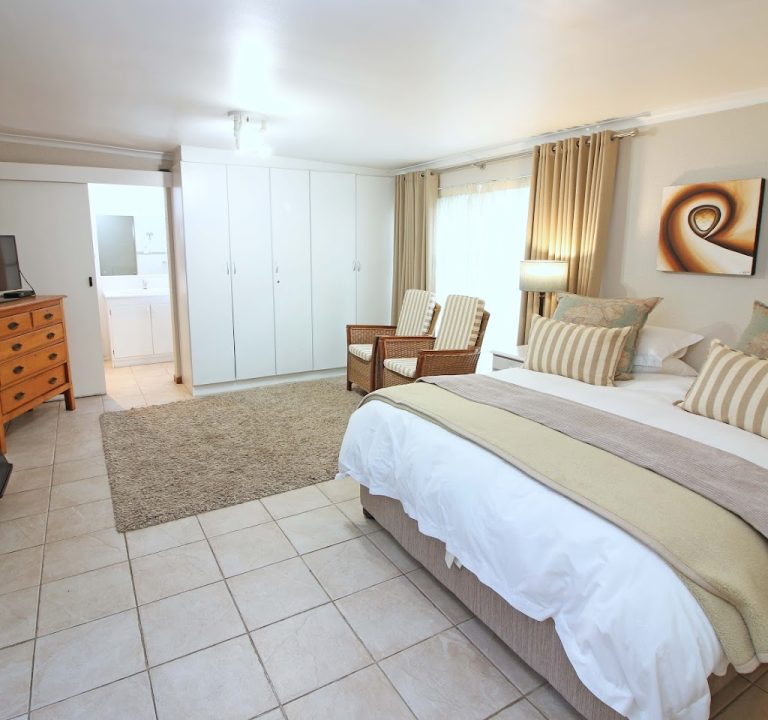
Typical amenities you might encounter include en‑suite bathrooms, private balconies or verandahs, complimentary Wi‑Fi, and self‑catering facilities such as a kitchenette or a small kitchen in the room. More boutique options may offer breakfast included, curated evening meals, or access to communal lounges and courtyards. Relaxation features such as outdoor pools, sun decks, and garden spaces are common, with some properties offering sea or mountain views. For business travellers or staycations, you may also find work desks, strong Wi‑Fi, and flexible check‑in and check‑out times. When booking, check parking arrangements, pet policies where relevant, accessibility features, and the availability of an on‑site or nearby restaurant for convenience.
Best time to visit Cape Town depends on the experience you seek. The summer months (roughly November to February) bring longer days, warm sea temperatures, and a lively harbour scene—excellent for outdoor activities, safaris on the doorstep of the city, and beach days. Spring (September and October) offers a milder climate and blooming flora in parks and gardens. Autumn is a quieter period with pleasant weather, and winter can be cooler and more changeable, yet it is also a fantastic time for food markets, fewer crowds, and dramatic coastal landscapes. If your stay includes wine tasting, plan ahead for farm closures seasonally and consider private tours for the best value and flexibility.
Designing a balanced itinerary helps you enjoy Cape Town without feeling rushed. You can combine scenic drives along the Atlantic coast, a cable‑car ascent up Table Mountain on a clear day, a visit to Kirstenbosch National Botanical Garden, and a stroll through the Bo‑Kaap for colour and culture. For family or foodie interests, you might allocate a day to the V&A Waterfront with its markets and waterfront dining, and another day for a wine‑land excursion to Constantia or nearby Stellenbosch and Franschhoek. If you enjoy the outdoors, hikes and viewpoints in the Table Mountain National Park reward the effort with iconic city panoramas, while on the coast you’ll find opportunities for penguin viewing at Betty’s Bay or Namibia‑like sunsets at the Atlantic coast beaches, depending on the season.
Practical tips to help you book and stay comfortably:
- Book in advance for peak season and long weekends; midweek stays can offer better value.
- Confirm whether breakfast is included or if you need to self‑cater; ask about pantry staples or coffee facilities if you prefer a quick start.
- Check for secure parking if you are driving; enquire about gate access and perimeters for peace of mind.
- Ask about quiet hours, especially if you are staying in a lively area or near bars and restaurants.
- Inquire about transport options: airport transfers, airport‑city shuttles, or guided tours that can streamline your itinerary.
- Pack for a range of conditions: sun protection, a light waterproof layer, and comfortable walking shoes for urban and coastal paths.
For planning further details or to explore options that align with your travel style, consider visiting official tourism sites and reputable accommodation platforms. Cape Town rewards careful planning with a mix of beaches, mountains, culture, and cuisine that reflect the region’s unique South African hospitality.