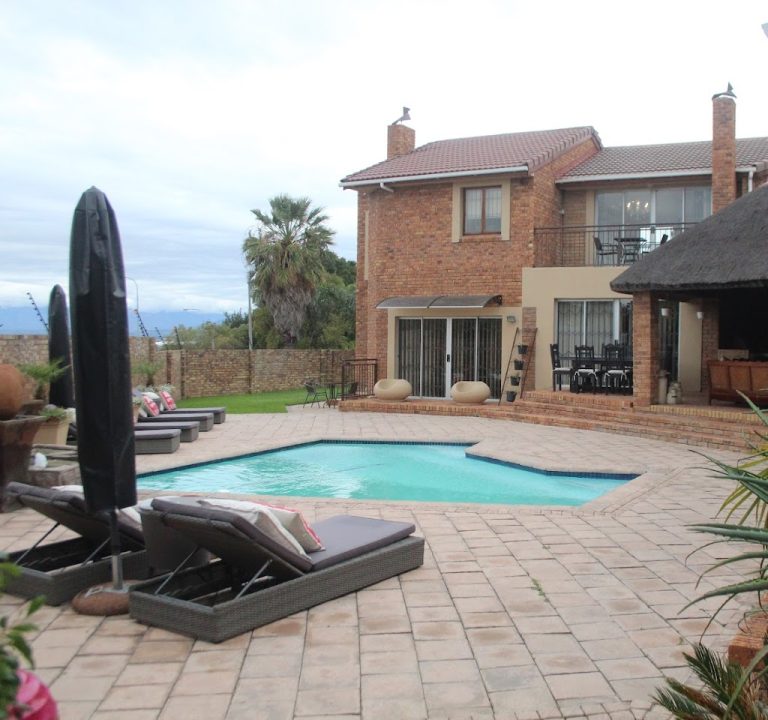
Tranquille Manor and a Traveller-Friendly Stay in Cape Town
Cape Town offers a diverse mix of styles for every traveller, from historic guest houses perched on gentle hills to contemporary boutique hotels near the harbour. When planning a stay in this vibrant city, consider how you want to move about, what neighbourhoods feel right for you, and which amenities will help you settle in quickly. A guest house such as Tranquille Manor can provide personalised service and a homely atmosphere, making it a comfortable base from which to explore the Cape’s many components: natural beauty, neighbourhood culture, and a flourishing food scene.
Areas to consider include the Atlantic Seaboard for spectacular sea views and easy access to beaches, the central city for museums, markets and nightlife, and the southern suburbs for more peaceful, leafy streets and easy access to the Constantia wine routes. If you prefer a quieter pace with quick connections to the airport, look towards the southern suburbs or the Foreshore. Each area has its own character, so think about what will matter most to you—views, proximity to attractions, or a walkable street life with cafés and shops.
When booking, pay attention to practicalities that can affect your daily rhythm. Room configuration is a common point of note: a compact double may suit short city breaks, while a larger suite or family room can make longer stays more comfortable. Check for air conditioning or heating, reliable wi‑fi, adequate storage, and convenient en suite facilities. Consider whether you want breakfast included, and whether there is a guest kitchen, lounge areas, or outdoor spaces such as a garden or pool. Accessibility features and parking arrangements are worth confirming if you are travelling with equipment or with family members who have specific needs.
Typical amenities in well-situated guest houses include comfortable beds with quality linens, daily housekeeping, secure parking, and a friendly, knowledgeable staff able to suggest routes, dining spots, and current events. A well-run establishment will also offer clear check‑in procedures and a flexible approach to guest requests, whether you are seeking a late dinner arrangement, laundry facilities, or a quiet space to work.
Transport is a practical consideration in Cape Town. If you’re renting a car, you’ll value private off‑street or guarded parking and straightforward navigation to Table Mountain, iconic viewpoints, and the peninsular road trip routes. For those relying on public options, the city has bus services and a commuter rail network that connect major areas, though some routes are more convenient than others depending on your itinerary. A knowledgeable host or concierge can help you plan transfers and day trips, whether you want to ride the cable car up Table Mountain, stroll the V&A Waterfront, or venture along the scenic coastal road to the Cape of Good Hope.
The best time to visit Cape Town is generally during the southern hemisphere’s spring and autumn, when the weather is mild and crowds are more moderate. Summer (December to February) brings longer days and lively outdoor life, but can be busier and pricier. Winter (June to August) tends to be cooler and wetter, with fewer crowds and greener, quieter landscapes in the suburbs. Pack layers, sun protection for peak hours, and a light rain jacket to cover shifting conditions along the coast and on the hills.
Within easy reach of most central stays are a number of highlights and experiences that can define a trip without needing to overplan. You might spend a day exploring scenic viewpoints, take a cable-car ride for city panoramas, or enjoy a stroll through markets and neighbourhoods famed for their craft and dining. In terms of dining, Cape Town’s restaurant scene is diverse and guest-friendly: expect menus that blend local seafood, meat, and vegetable-forward dishes with influences from across the world. When choosing places to eat, look for information on sourcing, seasonality, and a warm, attentive service style, rather than chasing high‑profile awards alone.
Practical tips to maximise your stay:
- Book early for peak seasons or when your preferred neighbourhood has seasonal events or markets.
- Communicate any special requests with your host in advance, such as late check‑in, dietary needs, or accessibility requirements.
- Take advantage of a guest house’s local knowledge—hosts often have up-to-date tips on safe routes, local transport, and hidden gems.
- Plan a balanced itinerary that mixes iconic sites with slower neighbourhood explorations to avoid fatigue.
- Return to your base with enough time to relax before evening outings or dinner reservations.
Beyond the bedroom and breakfast, Cape Town offers a rich weave of experiences. Expect days spent enjoying sea views and cliff trails, followed by evenings discovering diverse dining scenes and live music in safe, well-lit streets. A well-chosen base—such as a guest house that blends comfort with attentive service—can make your stay feel both easy and special. For more inspiration, explore official city tourism pages to help you tailor your plans to the season and your interests. Local guides and trusted websites can provide current suggestions on routes, safe transport options, and practical tips to help you enjoy your Cape Town adventure with confidence.
Tranquille Manor serves as a thoughtful example of how a guest house can support a relaxed but well-planned stay. With attentive hosting, comfortable spaces, and proximity to key areas of the city, it offers a practical starting point from which to experience Cape Town’s natural beauty, diverse communities, and memorable dining experiences. Visit the establishment’s official site for booking details and to explore how a personalised stay might fit into your Cape Town itinerary.