Stellenbosch: accommodation, attractions and planning your stay
Stellenbosch is a compact university town set among pine-lined streets and rolling vineyards, offering a pleasing mix of historic charm and modern comfort. When planning your stay, consider which neighbourhood best suits your priorities: the town centre for easy access to cafes and cultural sights, academic quarter for a quieter atmosphere near the university, or the surrounding wine estates where views and nature take centre stage. The character of your accommodation—whether boutique hotel, guesthouse, or self-catering retreat—will shape your daily routines and your pace of exploration.
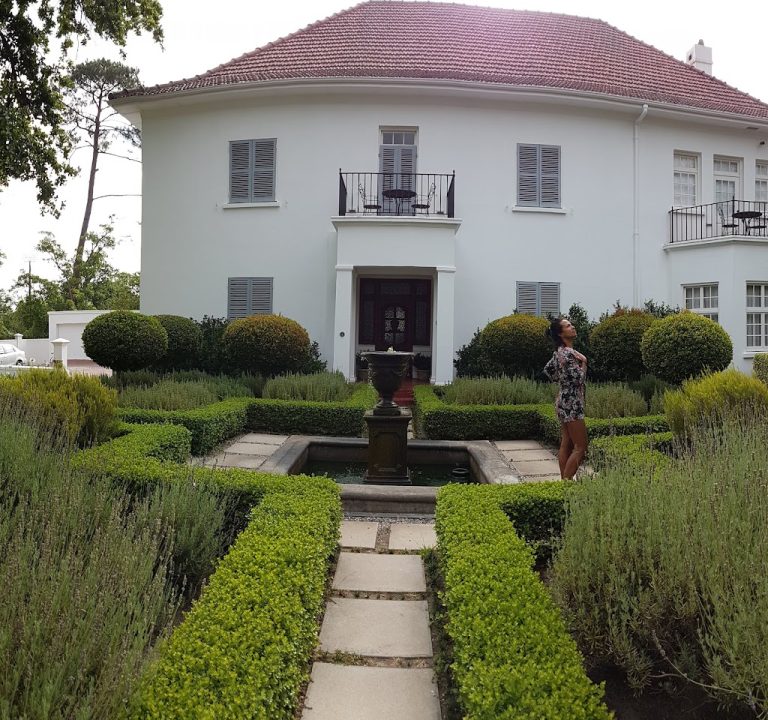
Typical accommodation options range from intimate boutique stays in historic houses to contemporary hotels on leafy streets. Many properties in Stellenbosch feature en-suite bedrooms, complimentary Wi‑Fi, on-site parking, and breakfast inclusions. Some offer pool facilities, terraces with vineyard or mountain views, or access to on-site wine tasting rooms and seasonal dining. If you’re travelling with friends or family, look for larger rooms, apartment-style suites, or properties with communal spaces where you can relax after a day of tastings or sightseeing. For those craving a more immersive experience, consider guesthouses or small hotels that partner with local vineyards or offer curated activity itineraries.
When booking, ask about the following to ensure your stay matches your plans. Is there secure parking or convenient public transport access? Is breakfast served on weekdays and weekends, and are there options for dietary needs? What are the check-in and check-out times, and how flexible are they? Is there a garden, pool, or outdoor area for warmer days? Do rooms have air conditioning, heating, and reliable Wi‑Fi? If you’d like to taste regional wines or embark on cellar tours, check whether the property can assist with reservations or organise guided experiences.
Transport in and around Stellenbosch is straightforward but varies by season. The town centre is walkable, and many visitor attractions cluster within a compact area. Car rental offers the most flexibility for exploring the surrounding wine routes and scenery at your own pace. Alternatively, guided tours can take the guesswork out of vineyard visits and pair tastings with scenic stops. If you plan to visit Cape Town or the coast, consider day-trip logistics in advance, as travel times can be longer than anticipated depending on traffic and road works.
Best time to visit Stellenbosch tends to be in the spring (roughly August to October) and autumn (February to April) when the hills are green, flowers are in bloom, and grape harvest activity is underway. Summer can be lively with outdoor dining and markets, while winter brings a quieter pace, occasional rain, and cosy evenings indoors. No matter the season, packing a light layer for cooler evenings, a hat for sun protection, and comfortable walking shoes will serve you well.
One recommended approach is to base yourself in or near the town centre for easy access to museums, galleries, cafes, and historic architecture, while planning day trips to nearby estates for tastings and vineyard lunches. Booking in advance is advisable during peak seasons, but many smaller properties also offer last-minute availability for shorter stays or midweek breaks. If you prefer a more intimate setting that feels part of Stellenbosch’s fabric, a boutique hotel or a family-run guesthouse can provide personalised recommendations and a warm, hospitable atmosphere.
Attractions in the area cover heritage streets, university-linked spaces, and natural beauty. Visitors often enjoy strolling along historic streets to admire oak trees and red-brick façades, exploring museums and art galleries, and wandering through botanical spaces that showcase the region’s flora. The surrounding wine routes offer vineyard experiences ranging from relaxed tastings to more structured tours, often paired with light meals or views over the surrounding hills. For a broader sense of the region, consider guided excursions to nearby nature reserves or scenic viewpoints that capture the panorama of the Western Cape.
Dining in Stellenbosch offers a spectrum from casual cafés to refined dining rooms. Many eateries emphasise seasonal ingredients, local wines, and a relaxed, convivial vibe. Rather than detailing individual establishments, think in terms of options: a wine-paired lunch or dinner at a winery, a cosy bistro for a long evening, or a contemporary restaurant within a boutique hotel. Families and groups can find places with generous portions and children-friendly menus, while couples might favour intimate venues with panoramic views or charming courtyards.
Practical tips to optimise a stay in Stellenbosch:
- Book accommodation early for peak seasons and wine harvest periods; compare cancellation policies and deposit requirements.
- Check neighbourhood proximity to the town centre, vineyards, and transport links to avoid lengthy daily commutes.
- Ask about amenities that matter most to you, such as on-site parking, pool availability, or kitchen facilities for self-catering.
- Plan a mix of activities: a day of wine experiences, a cultural stroll through historic streets, and a nature or mountain outing to balance the schedule.
- Consider a midweek stay to enjoy lower rates and quieter surroundings, especially in shoulder seasons.
- Pack for variable weather and prepare for outdoor activities—layers for cool mornings and evenings, sun protection, and comfortable footwear.
For a stay rooted in comfort and local character, boutiques such as Boutique Hotel Beauclair offer a refined base with easy access to Stellenbosch’s attractions and countryside. Regardless of the choice, a well-planned itinerary that blends accommodation, dining, and experiences will help you make the most of Stellenbosch’s unique blend of history, scenery, and hospitality. For more information on current events, winelands itineraries, and visitor tips, consult official tourism resources and regional guides close to your travel dates.