Stellenbosch: A guide to accommodation, attractions and practical travel tips
Stellenbosch, in the Western Cape, blends historic charm with a modern, wine‑country ambience. When planning a stay, the town offers a wide range of accommodation styles, from characterful guesthouses and boutique hotels to self‑catering retreats such as Buiten Geluk. The key is to choose a neighbourhood that aligns with your interests—whether you want easy access to the university precinct, breezy views over vineyards, or a quiet village feel close to the Helderberg basin and the Jonkershoek foothills.
Areas to consider include the historic town centre, where cobbled lanes, traditional Cape Dutch architecture, and convenient access to eateries and museums create a compact, walkable base. For vineyard scenery and tranquillity, look toward the Stellenbosch Valley and surrounding wine farms. If you prefer a livelier ambience with more dining and nightlife options, the area near Dorp Street and the university precinct can be ideal. For easy access to nature and outdoor activities, the foothills around Jonkershoek offer a more rural, scenic setting with a sense of space.
Booking considerations start with the length of stay and your preferred pace. Self‑catering options, such as holiday homes or apartments, can provide a home‑from‑home feel with fully equipped kitchens, laundry facilities and private lounges—perfect for families or groups who want to cook and relax at their own pace. Traditional BnB‑style guesthouses emphasise hospitality and breakfast service, often pairing historic ambience with modern comforts. Read the listing carefully for included amenities, such as Wi‑Fi, off‑street parking, air conditioning, and whether daily housekeeping is provided. Consider the availability of on‑site facilities like a pool, outdoor seating, or shared guest lounges, which can influence how you spend your downtime between adventures on surrounding estates.
Typical amenities to look for include a well‑equipped kitchen or kitchenette, reliable heating or air conditioning, secure parking, good access to public transport or easy car routes, and clear information about local attractions. In Stellenbosch, a car is often the most convenient way to move between vineyards, scenery, and town facilities, though some central stays are well‑connected to cycle routes and commuter buses. If you plan to rely on taxis or ride‑hailing, check whether the property confirms safe, reputable pickup points and whether there is helpful local advice about travel times to popular destinations.
Time of year affects what to expect in Stellenbosch. The region experiences warm summers with morning mists and mild winters. Peak tourist periods tend to be spring through autumn, when vineyard landscapes are at their most photogenic and outdoor dining is in full swing. For wine lovers, harvest periods and vintage seasons bring a particular atmosphere; however, some experiences may be busier and accommodation rates can reflect demand. If you prefer quieter periods, consider late autumn or winter weeks, when the scenery remains appealing and visitor numbers thin out slightly.
Practical planning tips to help you make the most of your stay:
- Assess distance to the town centre, annual markets, museums and university facilities to minimise daily travel time.
- Consider a base near multiple wine routes or close to nature reserves if you want easy access to outdoors without long drives.
- Factor in dining plans—some accommodation options offer breakfast or have in‑house eateries, while others provide self‑catering facilities for flexibility.
- Check parking arrangements and security in the area, especially if you will be hiring a car.
- Ask hosts about local recommendations for wine estates, scenic viewpoints, walking trails, and farmers’ markets to help plan days that balance activity with downtime.
When it comes to attractions, Stellenbosch offers a combination of culture, history and natural scenery. The town is known for its well‑preserved Cape Dutch architecture and museums that showcase the region’s colonial past and agricultural heritage. The surrounding winelands provide many opportunities for day trips, tastings and vineyard lunches, often with sweeping views and tranquil grounds. For nature lovers, the shaded trails and mountain scenery of the Jonkershoek valley offer outdoor pursuits ranging from easy strolls to challenging hikes. Food lovers can expect a vibrant dining scene that ranges from rustic bistros to refined tasting menus—many venues highlight seasonal, locally sourced ingredients and Swiss‑South African influences without compromising on quality or accessibility.
Transport in and around Stellenbosch is straightforward. If you stay in central Stellenbosch, you’ll find that walking and cycling can cover many short trips, with taxis and ride‑hailing available for longer hops or late evenings. A car is useful for exploring the wider Western Cape, especially if you intend to visit multiple wine farms or aim to spend a day touring the Helderberg and surrounding countryside. Some self‑catering properties provide easy access to public transport routes; it is worth confirming reliable options with your host or the listing description.
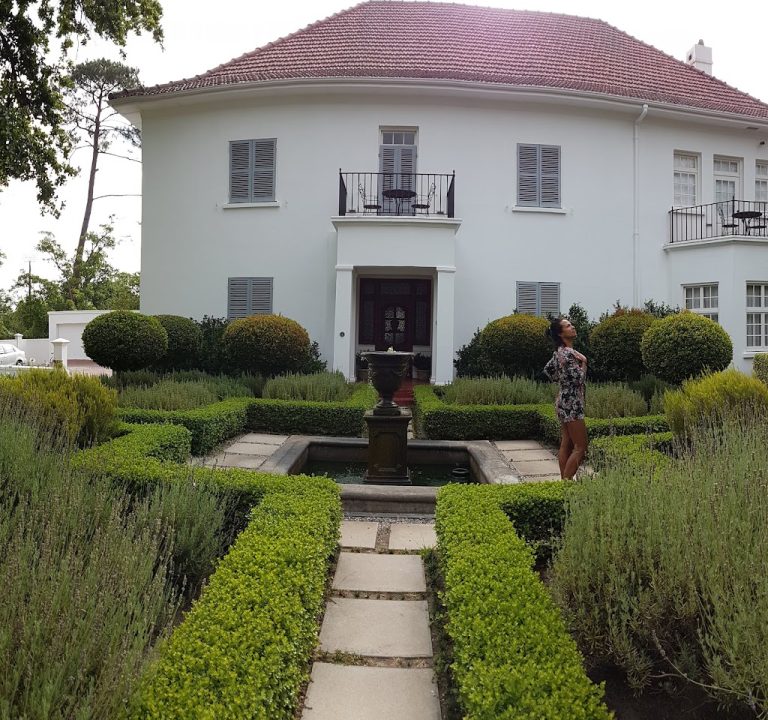
For a balanced itinerary, pair a couple of vineyard visits with a stroll through town to browse markets, galleries and craft shops. Identify a couple of modern eateries or family‑friendly restaurants to suit varied tastes, and plan an afternoon in nature to offset tastings with fresh air. A well‑chosen base in Stellenbosch—whether a cosy self‑catering retreat such as Buiten Geluk or a characterful guesthouse—can offer a comfortable, convenient home while you discover the region’s varied attractions, culture and landscape. More information about Stellenbosch’s visitor experiences and planning tips can be found through official tourism resources and accommodation listings, which can help tailor a stay to your interests and budget.