Stellenbosch: where to stay, eat and explore in the Western Cape
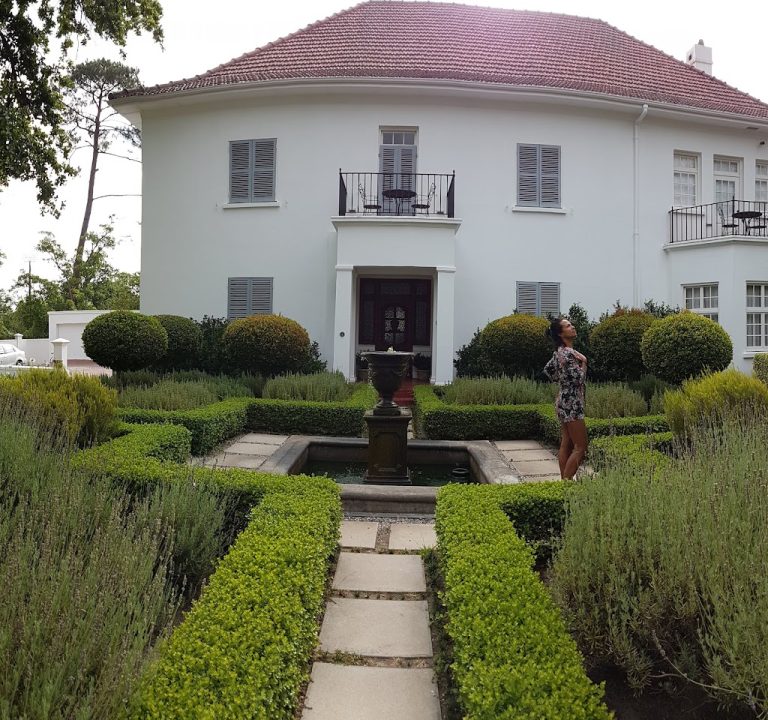
Stellenbosch offers a blend of historic charm, world-class wine estates and a lively university town atmosphere, making it a popular base for visitors exploring the Western Cape. When choosing accommodation, think about proximity to key sights, ease of access to transport routes and the kind of experience you want — tranquil vineyard views, a central town stay, or a boutique guesthouse with a personal touch. An option such as Beauclair Guest Cottage embodies a cosy indoor lodging style that can suit travellers seeking privacy and a homely feel, while still being close to central Stellenbosch.
The town centre is compact and walkable, with oak-lined streets, Cape Dutch architecture and a pleasant mix of cafés, wine-tasting rooms, museums and craft shops. If you prefer a village-like ambience with easy access to vineyards, look for stays on or near the surrounding wine routes. For those seeking a more tranquil rural ambience, rural lodges and guesthouses on the edge of town provide serene garden settings, quieter evenings and quicker access to scenic drives into the winelands.
When booking, consider the type of accommodation that best suits your trip. Guesthouses and boutique B&Bs often offer personalised service, home-cooked breakfasts and hosts who can tailor recommendations for day trips. Self-catering cottages or self-contained suites provide flexibility for families or longer stays. If you’re travelling by car, secure on-site parking and easy exit routes are helpful, especially for early morning drives to wine estates or markets. For those relying on transport links, check access to taxis or shuttle services and whether your lodging is within a comfortable walking distance of the town centre.
Typical amenities you may encounter include ensuite bathrooms, air conditioning or heating, free Wi-Fi, private entrances, daily housekeeping, and on-site parking. Breakfast is a common feature at many guesthouses and B&Bs, and some properties offer dinner options or kitchen access for self-catering. Outdoor spaces such as gardens, patios or pools are particularly appealing in warmer months. Be sure to confirm access to laundry facilities if you’re on a longer stay, and whether the property can assist with arranging wine-tasting experiences or guided town walks.
Transport within Stellenbosch is practical but not as extensive as in larger cities. Car hire is a popular choice for visitors hoping to explore the winelands, neighbouring towns and the coast at a relaxed pace. Public transport exists but services are limited compared with major cities, so plan transfers between your lodgings and day trips in advance. The town is well connected by regional roads to Somerset West, Franschhoek and Paarl, with easy routes back to Cape Town and Cape Town International Airport. If you prefer not to drive, look for accommodation near the town centre or near bus routes, and consider organising guided day tours that include winery visits and sightseeing stops.
Best time to visit Stellenbosch tends to be during the spring and autumn shoulder seasons when the weather is mild and landscapes are vibrant. Summer brings longer days and bustling markets, but it can be busier and warmer, while winter offers cooler evenings and quieter streets, with crisp mornings perfect for breakfasts in a cosy guestroom. If you’re visiting for wine tastings and harvest activities, the spring and late summer months align well with many estates’ schedules, though exact timings can vary each year.
When planning a stay, factor in the following practical tips:
- Book early for peak periods around holidays and the harvest season, especially if you want a specific property or location.
- Clarify inclusions such as breakfast, Wi-Fi, parking and access to outdoor spaces, so you know what to expect upon arrival.
- Ask about access to transport or curated day trips, which can save time and elevate your visit.
- Prepare a flexible itinerary that balances wine estates, historical sights, markets, and leisurely meals at family-friendly or boutique restaurants.
- Check weather and packing lists in advance; evenings can be cooler even on warm days, so bring a light layer or cardigan.
In terms of attractions and dining in general terms, Stellenbosch offers a wealth of options. The town’s heritage buildings house museums and galleries that reveal the area’s rich history, while the surrounding hills and vineyards provide scenic backdrops for leisurely drives, walks and photography. Across the winelands, many estates welcome visitors for tastings, cellar tours and bite-sized meals in beautiful settings. For dining, expect a range of options from casual cafés and bistros to refined eateries that showcase regional produce, seasonal flavours and artful presentations. There are also markets, leafy parks, and cultural events that give a flavour of local life beyond the wine route.
For guests seeking a specific place to stay, Beauclair Guest Cottage represents an approachable option within the Stellenbosch area. It can offer a compact, comfortable base with easy access to town amenities while remaining a peaceful retreat after day trips. Regardless of where you stay, planning ahead, staying flexible and choosing a neighbourhood that suits your style will help you make the most of your visit to Stellenbosch and the surrounding Western Cape.
Website links to lodgings or visitor information are encouraged where possible, and you can reference official tourism pages for up-to-date guidance on openings, routes and scheduled events. With careful planning, Stellenbosch offers a memorable blend of comfortable accommodation, scenic drives, and inviting restaurants that capture the warmth and hospitality of the Western Cape.