Cape Town accommodation and experiences: planning your stay
Cape Town, set between the ocean and Table Mountain, offers a rich mix of accommodation options and a magnet for curious travellers. From historic guest houses in neighbourhoods with colonial flavour to modern boutique hotels overlooking the harbour, planning where to stay can shape your entire visit. A well-chosen base helps you maximise your time exploring beaches, mountains, markets and world-class dining without sacrificing comfort.
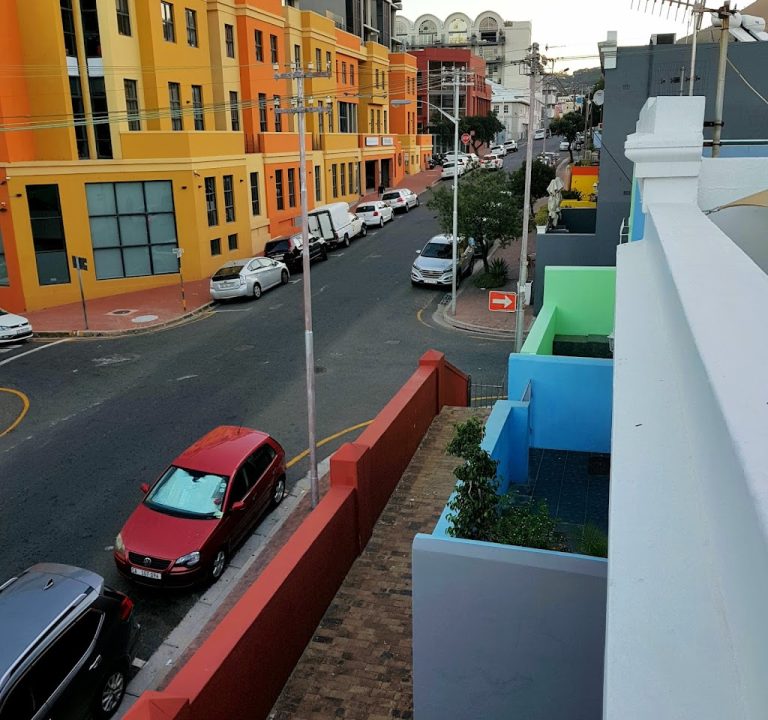
When choosing a place to stay, consider the character and location that best matches your plans. The city is divided into distinct neighbourhoods, each with its own vibe. The historic Bo-Kaap area provides colourful houses and steep lanes close to the Upper Room and the waterfront, making it convenient for day trips and easy access to central sights. The Atlantic Seaboard offers long coastal walks, chic eateries and stunning sea views, while the bustling city centre puts you near museums, markets and nightlife. Constantia Valley draws wine lovers with vineyard estates and tranquil plots, and the Southern Suburbs offer more budget-friendly guest houses and family-friendly stays with easy routes to Kirstenbosch and the Constantia wine route. Consider transport links when you choose your base, as some locations are more walkable or closer to MyCiTi buses, while others benefit from a rental car or organised tours.
Accommodation in Cape Town ranges from small guest houses and B&Bs to stylish boutique hotels and self-catering apartments. Booking a guest house such as Bo-Kaap Village Lodge can provide a sense of neighbourhood character and personalised service, often with host recommendations for local eateries and hidden gems. In guest houses, you’re likely to find hosts who can tailor recommendations to your interests, whether it’s a coastal walk, a heritage tour, or a food-focused itinerary. Typical amenities include Wi-Fi, secure parking where available, en-suite bathrooms, tea and coffee facilities, and often a communal lounge or dining area. Some properties offer breakfast as part of the rate, with options ranging from a continental spread to cooked morning favourites.
Planning a stay also means thinking about practicalities. Tables of preferences to consider include room configuration (double, twin, or family rooms), accessibility features, and whether you prefer a quiet retreat or a location with easy access to nightlife and eateries. If you rely on public transport, check the proximity to bus stops and rail links, and ask hosts about the best ways to reach popular attractions by foot or taxi. For those who want a more flexible schedule, self-catering units or guest houses with kitchen facilities can be particularly convenient. In peak seasons, it pays to book early; Cape Town’s appeal means popular periods fill quickly, especially around school holidays and major events.
The best time to visit Cape Town varies by what you want to do. The city enjoys a mild Mediterranean climate, with warm, dry summers and cooler, wetter winters. The summer months (December to February) are ideal for beaches, ocean swimming and outdoor markets, though demand can be high. Shoulder seasons (March to May and September to November) often provide pleasant weather with fewer crowds, making it easier to score good rates on accommodation and enjoy popular sights without long queues. If your itinerary includes hiking or table-top experiences, aim for calmer days in late autumn or spring, when conditions are comfortable and views are clear.
When it comes to attractions, think in terms of a balanced mix rather than cramming a long list into one day. Iconic views from Table Mountain or Lion’s Head, pristine beaches along the Atlantic coast, and the colourful energy of Cape Town’s markets offer memorable highlights. Cultural experiences often come in the form of neighbourhood walks, visits to historic sites, and food-focused tastings that reflect Cape cuisine, coastal seafood, and vibrant market life. For dining, Cape Town’s restaurant scene spans casual cafés to fine dining, with many venues emphasising fresh seafood, locally grown produce, and regional wine pairings. It’s common to find recommendations from hosts for well-loved neighbourhood spots that provide a sense of place without the need for long journeys.
In terms of practical tips for travel around the city, plan to use a combination of transit and short rides to stay efficient. The MyCiTi bus network is convenient for many routes, and ride-hailing services offer safe and reliable transport at night. If you’re staying in a more remote corner or plan day trips to the Cape Winelands or Cape Point, renting a car can provide greater flexibility, though many tours operate from central hubs and can take the stress out of navigation. Pack for variable weather, even in summer, as coastal breezes can feel cooler than inland temperatures. Hydration and sun protection are important for outdoor activities, given Cape Town’s sunny climate, especially during peak hours of the day.
To help you plan a well-rounded stay, here are a few practical considerations to keep in mind:
- Choose accommodation that aligns with your daily plans—close to the areas you want to explore or with easy transport links.
- Ask about breakfast options, parking, and late check-in arrangements to avoid surprises.
- Consider properties that offer local insight, such as maps, personalised walks, or curated dining suggestions.
- Check cancellation policies and seasonal rate variations, especially if your dates are flexible.
- Look for properties with en-suite bathrooms, reliable Wi-Fi, and comfortable common spaces for downtime after a day of sightseeing.
For travellers seeking a genuine sense of place, Cape Town rewards those who choose accommodation with character and an attention to detail. Bo-Kaap Village Lodge, as an example, may offer a gateway to the historic precinct with a door to local life, while other guest houses across the city provide similar opportunities to connect with hosts and fellow travellers. Whether you lengthen or shorten your stay, a thoughtful base sets the tone for an unforgettable Cape Town visit, with the city’s natural beauty and vibrant culture as a constant backdrop.