Where to stay in Cape Town and what to enjoy during your visit
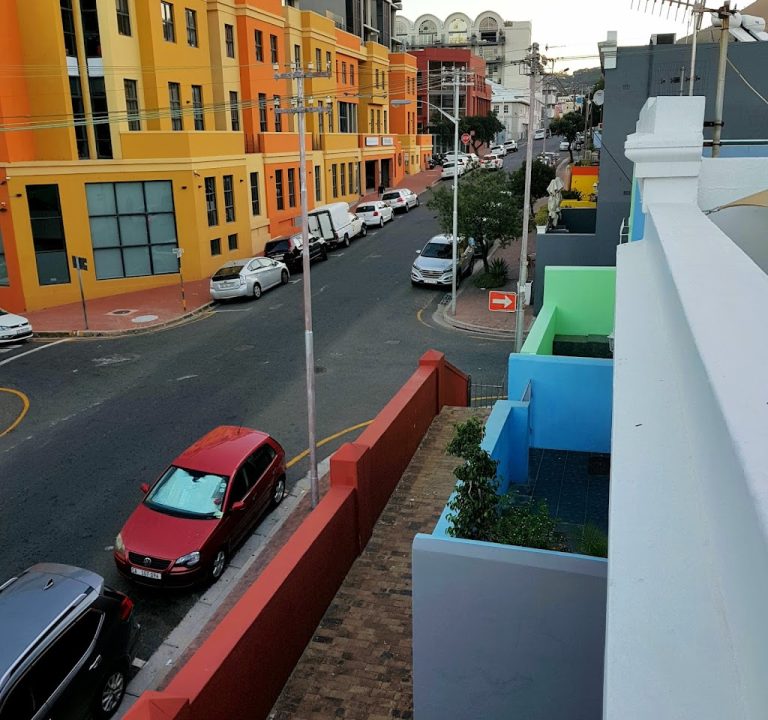
Cape Town offers a diverse blend of scenery, culture and cuisine, making it a rewarding destination for a stay that combines comfortable accommodation with easy access to the city’s iconic sights. From boutique guest houses tucked into leafy streets to stylish hotels overlooking the coast, planning your stay around your preferred neighbourhood can help you maximise time and minimise travel. For a quaint example of a guest house option, consider 22 on Rose, a guest house with a location that highlights the mix of residential character and easy access to key attractions. More information can be found on the venue’s website.
When choosing where to base yourself, think about the type of experience you want and how you will move around. The city is spread across several distinct areas, each with its own character and advantages. The City Bowl and Green Point offer convenient access to the central sights and a lively dining scene. Constantia provides a more relaxed, wine-country feel with proximity to wine estates and scenic drives. The Atlantic Seaboard, including Camps Bay and Bantry Bay, offers dramatic coastal views and beaches, while the southern suburbs provide tranquil streets and easy routes to Kirstenbosch and the Constantia Valley. Depending on your plan—excitement, scenery, or serenity—there is an option that fits.
What to look for when booking a stay in Cape Town is as important as where you stay. Consider the following practical aspects to help you choose with confidence:
- Location relative to your planned activities (mountain tracks, beaches, museums, or dining districts).
- Accessibility to public transport and parking facilities if you plan to hire a car.
- On-site amenities such as breakfast services, Wi‑Fi reliability, and safe storage for luggage or bicycles.
- Safety features, including secure entrances and well-lit surroundings.
- Guesthouse or hotel ethos—some properties emphasise personalised service, while others offer modern comfort with minimal fuss.
- Budget range, currency exchange options if needed and cancellation policies in case plans change.
Typical amenities in a well-appointed Cape Town accommodation might include a private or shared lounge, clean and comfortable bedrooms, en-suite bathrooms, a well-equipped kitchen for self-catering stays, and outdoor spaces with views. Breakfast is a popular feature in guest houses and small hotels and may range from a continental spread to a full cooked option. Parking availability, secure access, and accessibility considerations for guests with mobility needs are also worth confirming before booking.
Transport in Cape Town is a key factor for most travellers. If you are staying in central districts, you can often walk to many attractions, restaurants and markets, or use ride-hailing apps for short hops. A rented car offers flexibility for day trips to the Cape Winelands, the Cape Peninsula, or along the Atlantic coast. Coastal drives and mountain routes can be spectacular, but always consider road conditions, weather, and safety. Some guests prefer to pair a city stay with a guided tour to explore Robben Island, Table Mountain, or Kalk Bay’s harbour and studios, letting local operators handle the logistics while you focus on the views and experience.
The best time to visit Cape Town depends on what you want to do. South Africa’s seasons are opposite to those in Europe, with summer running from December to February and winter from June to August. Summer loves sunny days and outdoor dining, beach days, and outdoor markets; winter brings milder, wetter weather with excellent hiking conditions on cooler days. Spring and autumn are generally mild and comfortable for exploring the city’s parks, botanic gardens and coastal paths. If your plans include wine tastings, late spring or early autumn can be particularly pleasant in the Constantia and surrounding valleys.
Attractions and experiences vary from natural highlights to cultural offerings and culinary experiences. In the shadow of Table Mountain, you can expect panoramic viewpoints, scenic cable car rides (weather permitting), and easy access to hikes that suit different fitness levels. The V&A Waterfront provides a hub for shops, crafts, and waterfront promenades, while nearby museums and galleries offer insights into the city’s history and contemporary culture. A short drive to the Cape Peninsula reveals dramatic coastal scenery, penguin viewing near colonies, and long sandy beaches. For food lovers, Cape Town’s dining scene ranges from casual coastal eateries to refined restaurants with emphasis on fresh, seasonal ingredients and cross-cultural flavours. Many areas boast markets where you can sample artisanal products, coffee, and street food in a friendly, relaxed setting.
Planning practicalities can make a big difference to your stay. To help you decide where to stay and how to get around, here are a few considerations to keep in mind:
- Book accommodation with clear cancellation policies and transparent pricing to avoid surprises.
- Check proximity to your planned route of exploration—whether you intend to base yourself near a beach, a restaurant hub, or the city’s cultural quarter.
- Confirm the availability of reliable Wi‑Fi if you need to work remotely or stay connected for maps and reservations.
- Ask about breakfast options, dietary accommodations, and access to kitchen facilities if you prefer self-catering.
- Evaluate safety and access: well-lit entrances, secure locks, and staff on site can contribute to peace of mind during your stay.
To maximise your Cape Town experience, combine a comfortable base with a flexible itinerary. Start with a couple of iconic viewpoints or drives, mix in a day of city sights and markets, then reserve time for a scenic coastal excursion or a wine-tasting day in the nearby valleys. With a thoughtful choice of accommodation—whether a cosy guest house like 22 on Rose or another well-situated option—you can strike an ideal balance between rest, exploration and indulgence. For more information about Cape Town accommodation and planning, visit local accommodation providers and tourism resources, and consider practical tips from guest houses that emphasise guest comfort and guest safety, along with flexible dining and activity recommendations.