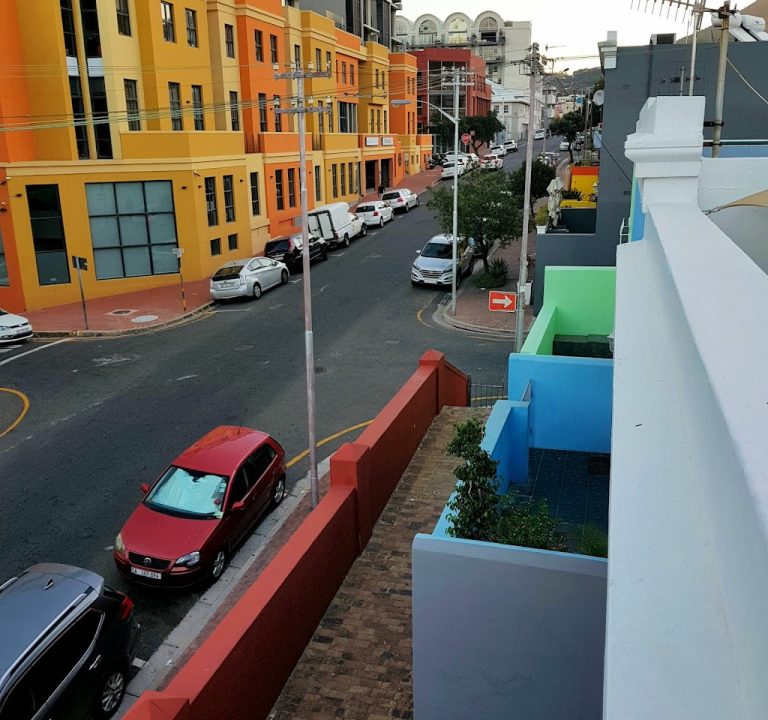
Exploring Cape Town: Where to stay, what to plan, and how to make the most of your visit
Cape Town, nestled between the Atlantic Ocean and the iconic Table Mountain, offers a diverse range of accommodation to suit every traveller. From stylish self-catering escapes to boutique guesthouses and family-friendly lodges, the city provides options that place you within easy reach of the region’s famed scenery, beaches, and cultural highlights. When planning a stay, consider your pace, interests, and how you prefer to move around, as this will shape the best neighbourhoods and types of accommodation for your trip.
Areas to consider include:
- City Bowl and the heart of the city: convenient for nightlife, dining, museums, and easy access to attractions. This area puts you within walking distance of cafes, markets, and the harbour-front.
- Atlantic Seaboard (including Green Point, Sea Point, and Camps Bay): sought after for cliff-top views, long coastal walks, and a relaxed, upscale vibe. It’s ideal if you want quick beach access and stylish amenities.
- Constantia and Southern Suburbs: renowned for leafy streets, wine routes, and easy access to Table Mountain’s back routes. A good choice for a quieter stay with larger properties and garden spaces.
- Other practical hubs: Camps Bay, Kalk Bay, and Muizenberg offer coastal charm with a mix of boutique stays and guesthouses, often at more affordable rates than the very front-row spots.
When booking, look for several practical features that can elevate your stay. An equipped kitchen or kitchenette is a big plus for self-catering travellers, reducing mealtimes’ expense and giving flexibility for families or long-stay visits. A reliable favourite among guests is a friendly communal area, garden or terrace, and clear access to parking or transport options. Check if the host provides essentials such as fresh linen, sufficient towels, and a sensible check-in process. For families or groups, note the size and layout of rooms, as well as any safety features in multi-storey properties.
Transport in Cape Town is varied and usually straightforward. A combination of MyCiTi buses, ride-hailing services, and rental cars covers most itineraries comfortably. If you plan to explore the Cape Peninsula or the surrounding winelands, a car can be convenient, but many central areas are pedestrian-friendly and well served by public transport. Consider proximity to main routes, waterfront destinations, and parking arrangements when choosing where to stay. If you’re staying near the V&A Waterfront or the city centre, you’ll benefit from walkable access to dining and cultural venues, with many places offering harbour and mountain views from common spaces or rooftops.
Best time to visit Cape Town depends on your priorities. The late spring to early autumn period (roughly September to April) brings milder temperatures and excellent outdoor conditions for sightseeing, hiking, and coastal activities. Summer days can be sunny and warm, ideal for beaches and outdoor markets, while winter (June to August) tends to be cooler and wetter, though the city’s attractions remain accessible, often with fewer crowds. If you’re hoping to combine wine-tasting with sightseeing, consider scheduling a section of your stay in the Constantia or nearby wine routes during the shoulder seasons when venues can be more relaxed and tickets easier to secure.
Popular attractions are spread across the city and its surroundings. Within easy reach of most accommodation, you’ll likely encounter dramatic viewpoints, coastal walks, and nature reserves. The Table Mountain area offers panoramic city views and access to nature trails, while the coastal belt gives you harbour-front promenades, beaches, and iconic photo opportunities. The Cape Peninsula drive reveals seaside towns, sweeping scenery, and wildlife glimpses, with the more curated parks and gardens offering calm respites from the city’s pace. For a flavour of the local scene, plan to explore markets, craft shops, and casual eateries that highlight fresh seafood, global-inspired fare, and kid-friendly options. Dining ranges from vibrant casual spots to refined restaurants with scenic terraces; many venues emphasise seasonal ingredients and eye-catching presentations without being ostentatious.
Accommodations commonly offer a mix of features to suit how you prefer to travel. Self-catering places may provide private entrances or dedicated outdoor spaces, well-equipped kitchens, and laundry facilities, making longer stays comfortable and economical. Boutique guesthouses and lodges often highlight personalised service, curated decor, and proximity to key areas while offering breakfast or light meals as part of the package. If budget is a consideration, look for properties a little off the main tourist corridors; these often provide more generous spaces and better value without sacrificing accessibility to major sights.
Practical planning tips for a smooth stay:
- Read recent guest reviews for insights on noise levels, consistency of housekeeping, and host responsiveness.
- Check transfer options from the airport or train stations and whether the property offers parking or shuttle services.
- Review cancellation policies and whether flexible dates unlock better rates.
- Pack layers for changing coastal weather; mornings can be cool near the mountains, with warmer afternoons on the coast.
- Plan a balanced itinerary that mixes outdoor activities with relaxed days at waterfront or suburban cafés and markets.
As a handy example for travellers seeking self-catering options, consider places like Apple House, a self-contained retreat that can suit couples or small families seeking privacy and convenience. While specific facilities and availability vary, these kinds of stays commonly offer the freedom to prepare meals, enjoy a private living space, and come with easy access to nearby shops and transport links. For more information, visit the property's official website or explore the wider range of Cape Town stays to find a match that aligns with your travel style.
Overall, Cape Town rewards careful planning and flexible pacing. By weighing neighbourhoods against your interests—whether you want museum mornings, mountain hikes, or beach afternoons—you can tailor your accommodation to fit a memorable, balanced stay. With its abundant scenery, welcoming hospitality, and diverse dining options, the city invites you to explore and return with a sense of discovery every day.