Accommodation and experiences in Cape Town, Western Cape
Cape Town sits at the southern tip of Africa and offers a diverse mix of stay options, from characterful guesthouses tucked into narrow lanes to contemporary hotels with ocean views. When planning a visit, think about what you want from your base: quick access to the city centre for dining and nightlife, proximity to beaches and scenery, or a tranquil retreat in the winelands or the southern suburbs. The city is compact enough to explore by day and easy to reach from most neighbourhoods by public transport or rideshare, making deliberate choice of location worthwhile for your itinerary and budget.
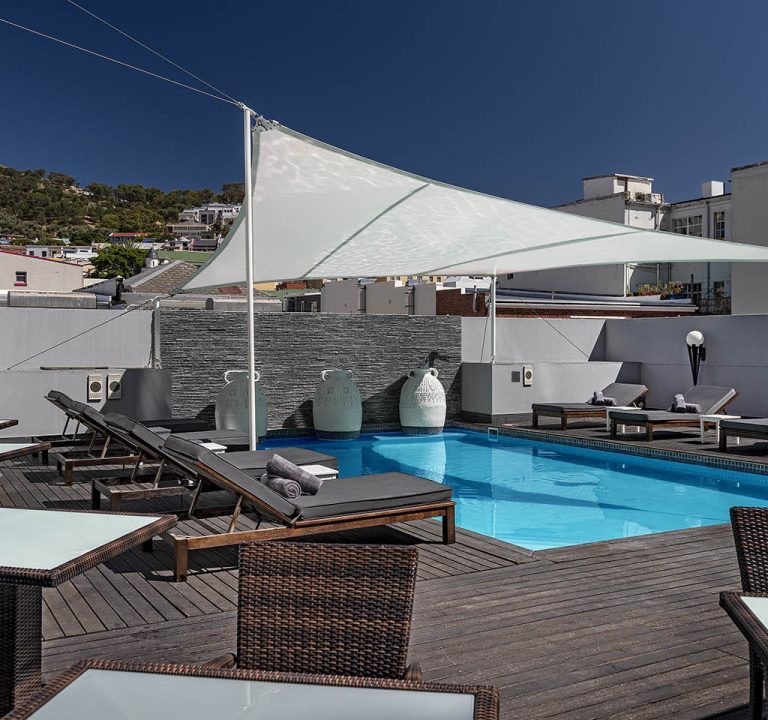
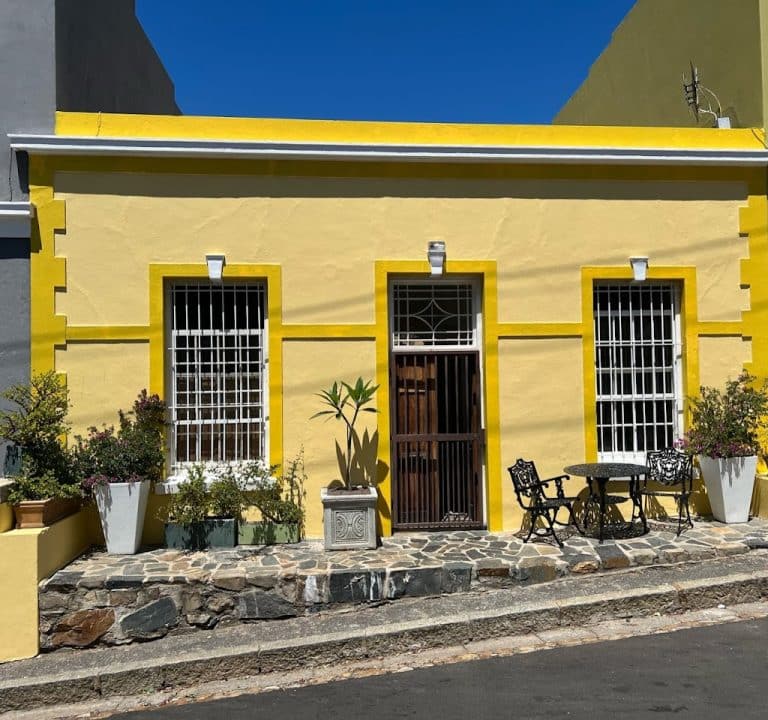
Common accommodation types range from intimate guesthouses and self-catering apartments to mid-range hotels and luxury hillside lodges. In the Central City (the City Bowl) you’ll find boutique properties within walking distance of cafés, museums, and the V&A Waterfront. The Atlantic Seaboard and Camps Bay offer stylish hotels and contemporary guesthouses with sea views, ideal for sun, seafood, and sunsets. If you prefer a slower pace and a more rural setting, Constantia and the surrounds of the Cape Winelands provide vineyards, tranquil estates, and farm-to-table dining. For families and longer stays, serviced apartments and small boutique hotels in Green Point or Waterfront neighbourhoods provide space, convenience, and access to transport routes.
When you book, look for practical amenities that match your plans. A reliable in-room Wi‑Fi connection, a comfortable workspace if you’re combining work with travel, and a good breakfast option are common highlights. Parking can be important in busy districts, so check whether secure on-site parking is available or if street parking is viable. If you’re travelling by car, ask about parking instructions, access to major routes, and whether the property offers easy proximity to scenic stops such as Table Mountain, the Cape Flats, or the peninsula’s coastal roads. For travellers seeking sustainability, note whether the property uses energy-saving features or supports local sourcing for meals and amenities.
Public transport in Cape Town has improved in recent years, with the MyCiTi bus network offering routes that connect the city centre, the airport, and popular coastal areas. Uber and other ride-hailing services operate widely, which can reduce the need for a car during a city stay. If you plan day trips to beyond the city, consider rental cars or guided tours that include multiple stops along the Cape Peninsula and beyond. Some properties arrange shuttle services or can recommend trusted tour operators for Table Mountain, Robben Island, and Cape Point. For scenic days, a comfortable base makes a big difference to how easily you can return to your room for a rest or a shower between adventures.
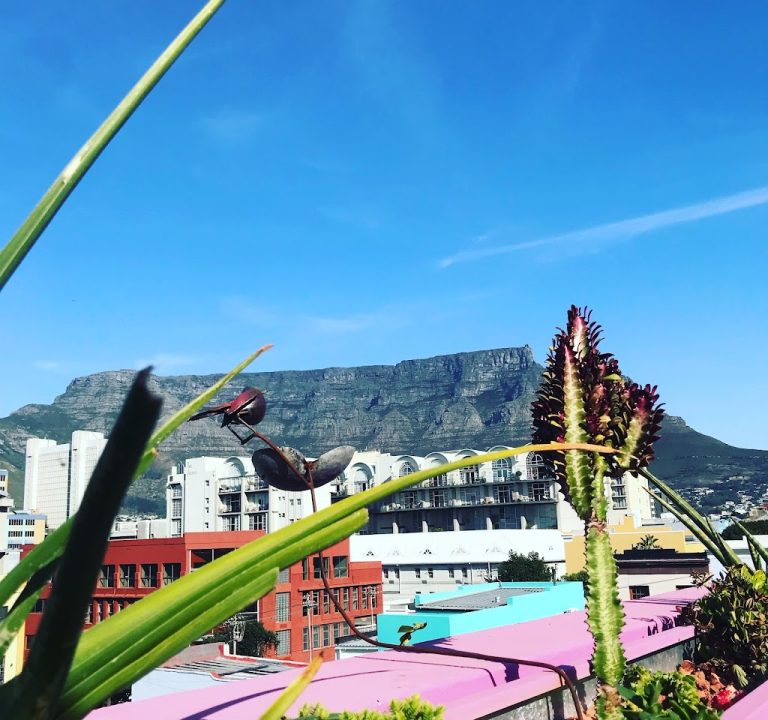
Best time to visit Cape Town depends on what you want from your trip. Spring (September to November) and autumn (March to May) bring milder weather, blooming gardens, and fewer crowds, while the summer peak (December to February) offers long days, warm seas, and lively beaches. Winter (June to August) is cooler and wetter but can be a good period for fewer crowds and excellent value in some areas, with cosy spaces and mountain scenery. If your focus is outdoor exploration, plan around sea temperatures and wind patterns on the Atlantic side, as conditions can affect beach days and coastal drives. Always check the local forecast for Table Mountain’s cloud cover, known as the “tablecloth,” when planning a day up the cable car or through the Devils Peak footholds.
Practical tips for a smooth stay in Cape Town:
- Choose a base based on your daily itinerary: the City Bowl for museums and dining, the Atlantic Seaboard for beaches and sunsets, or Constantia for wine and estates.
- Book in advance for peak season and major events to secure preferred rooms and better rates.
- Factor accessibility and safety into your plans; while areas near the harbour and central city are well served, some neighbourhoods are best explored with a guided approach or reputable transportation.
- Pack layers: coastal temperatures can shift quickly, and a sunny day can give way to a chilly evening breeze near the ocean.
- Respect local travel advice and weather warnings, especially when planning outdoor adventures along the Cape Peninsula or hiking in Table Mountain National Park.
- Combine your stay with varied dining experiences—from casual markets and cafés to refined eateries that showcase Cape Malay flavours and modern South African cuisine.
- Consider a half-day sum-up: one morning in the iconic city basin, one afternoon at the waterfront or a nearby beach, and a sunset drive along the Atlantic coast to Cape Point or Chapman’s Peak if time allows.
When it comes to booking and planning, think about what your days will look like. A well-located base reduces transit times and frees up more hours for exploration or rest. Cape Town’s mix of urban convenience, natural beauty, and culinary variety makes it ideal for a customised stay—whether you’re after a chic hotel experience, a welcoming guesthouse, or a self-catering apartment for a longer break. A thoughtful approach to accommodation, transport, and timing will help you maximise your time in this striking corner of South Africa.