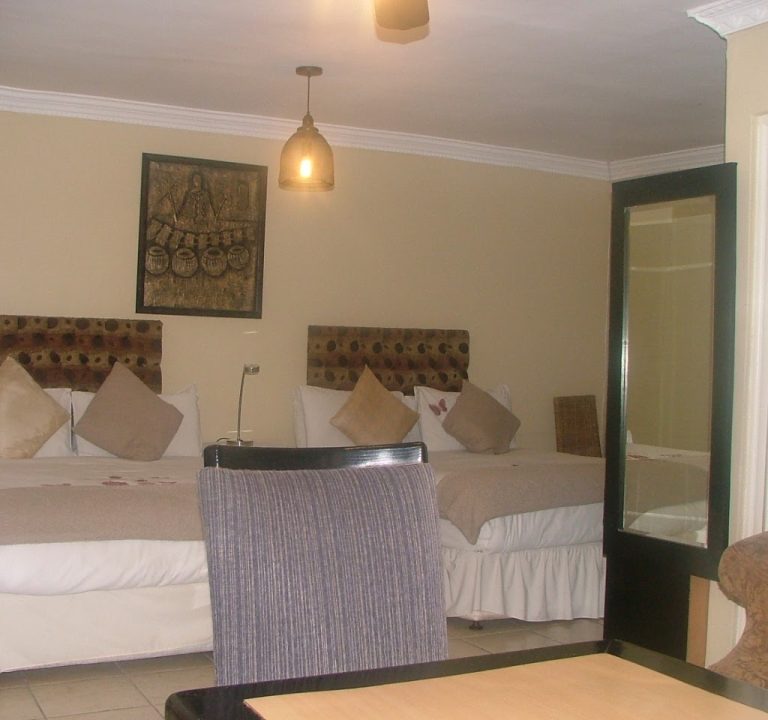
Exploring Cape Town: Where to stay and how to plan your visit from Bishop Lavis
Cape Town, in the Western Cape, offers a diverse mix of landscapes, neighbourhoods and experiences that suit a range of travellers. For guests seeking a homely stay with easy access to the city’s highlights, Bishop Lavis and surrounding areas provide authentic South African hospitality alongside convenient transport routes to the Atlantic seaboard, the Cape Peninsula and the Winelands. Whether you are drawn to vibrant markets, coastal walks, or hillside cafés with sweeping views, planning your stay around a few well-chosen bases can maximise your time and comfort.
Accommodation options in and around Cape Town span boutique guesthouses, homestays and mid-range hotels. In the Bishop Lavis vicinity, homestays can offer a warm, local perspective, often with helpful hosts who share tips on navigating the city. When choosing a base, consider proximity to major roads and public transport links, such as bus and tram services, as well as the availability of safe parking if you’re hiring a vehicle. For longer stays, look for self-catering spaces or rooms with kitchen facilities, which can provide flexibility for breakfasts or evening meals after a day of exploring.
Neighbourhoods to consider include:
- The Atlantic Seaboard and the city centre, for museums, galleries and a lively dining scene.
- Kirstenbosch and the southern suburbs, ideal for botanical outings, scenic routes and warmth in the evenings.
- The Atlantic coast towns near Table Bay, offering easy access to beaches and coastal walks.
- Constantia and the southern/constantia valley for wine experiences and tranquil scenery.
What to look for when booking a stay includes a few practical checks. First, assess safety and accessibility: confirm that your chosen accommodation has secure entrances and that the area feels comfortable for the time you plan to be out and about. Next, review what the space offers: reliable Wi‑Fi for work or streaming, a well-equipped kitchen if you prefer self-catering, and clear house rules that fit your travel style. Check reviews with a balanced eye—look for notes about cleanliness, responsiveness of hosts and the accuracy of listing descriptions. Finally, consider transport details: is there easy access to major routes, ride-hailing services, or reliable taxi options, and what are the parking arrangements if you are bringing a vehicle?
Typical amenities you may encounter include ensuite bathrooms, fresh towels and linen, secure luggage storage, and in some cases, notifications about breakfast provisions or light meal options. A few homestays in the region may offer shared spaces such as lounges or terraces with views, which can be a pleasant way to meet fellow travellers. Remember to verify the check-in and check-out times, and whether hosts can accommodate flexible arrangements if your plans shift.
Planning your itinerary around Cape Town’s standout experiences helps you make the most of a stay. A city break commonly starts with a climb up to a vantage point offering panoramas of Table Mountain and the harbour. From there, a stroll through historic sites, or a visit to a vibrant food market, can provide a sense of the city’s rhythm. A drive along the coast or a ferry ride to nearby nature reserves can add variety, while a day trip to the Cape Winelands introduces you to superb wine and architectural heritage. Within the city bowl and nearby pockets, local eateries cover a spectrum from casual cafés to refined bistros, often prioritising seasonal ingredients and South African flavours. It’s wise to leave some evenings unstructured to discover recommendations from your host or to follow a neighbourhood you’ve not yet explored.
Best time to visit Cape Town varies with interests. The spring and autumn shoulder seasons typically offer mild weather and fewer crowds, which can be ideal for sightseeing and longer outdoor walks. Summer brings clear skies and lively beach life, though it can be busier and warmer. If you’re keen on hiking, plan for mornings when the Table Mountain environment is cooler and drier. For wine lovers, the harvest period brings energy to the Constantia and nearby valleys, but advance booking for tastings is often advisable.
Practical tips to help you enjoy a smooth stay:
- Plan transport in advance, especially if you are staying in a district outside the city centre. Consider safe, reputable options for evening outings.
- Pack layers, as coastal weather can change quickly and temperatures drop in the evenings.
- Book popular attractions and dining experiences ahead of time where possible, but leave some flexibility for spontaneous discoveries.
- Respect local guidelines and cultural etiquette while visiting markets, townships or protected areas.
When researching an accommodation in Cape Town, look for listings that reflect a comfortable balance of locality and convenience. A well-chosen homestay in a neighbourhood such as Bishop Lavis or nearby can offer helpful local insights, safe surroundings, and a chance to experience everyday Cape Town life alongside famous scenery and attractions. For more information on planning your stay, reputable travel resources and official tourism pages can provide up-to-date ideas on routes, seasonal events and suggested itineraries. A thoughtfully chosen stay in Cape Town can be the anchor for a memorable South African visit, with easy access to remarkable landscapes, diverse dining and welcoming people.