Durban: Where to stay, eat and explore in KwaZulu-Natal
Durban, on the eastern shores of KwaZulu-Natal, blends subtropical beaches with rich cultural heritage and easy access to the rolling inland hills. When planning a stay, consider the rhythm of the city’s neighbourhoods, as each area offers a distinct flavour. From the sunset-backed promenade to leafy streets near town, you’ll find a range of accommodation styles to suit different itineraries and budgets.
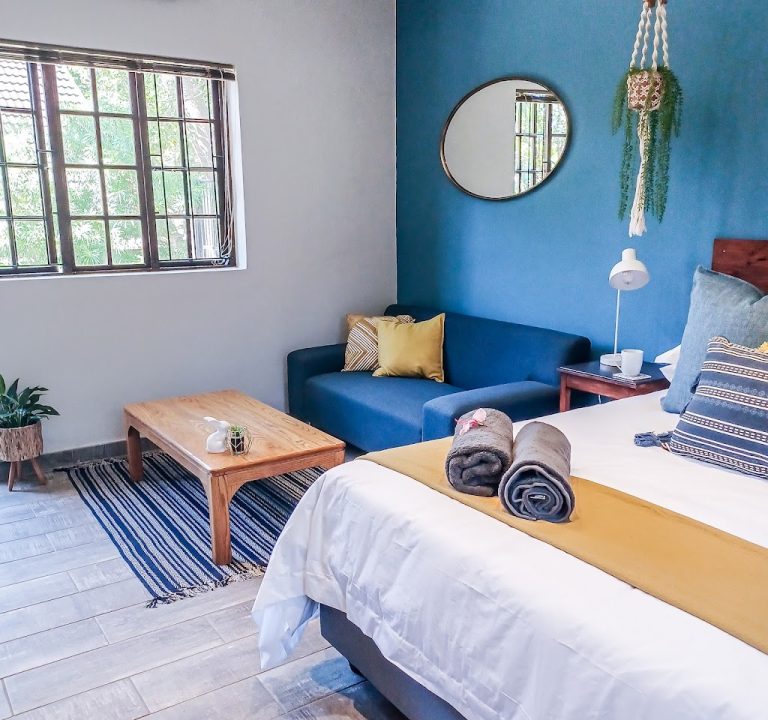
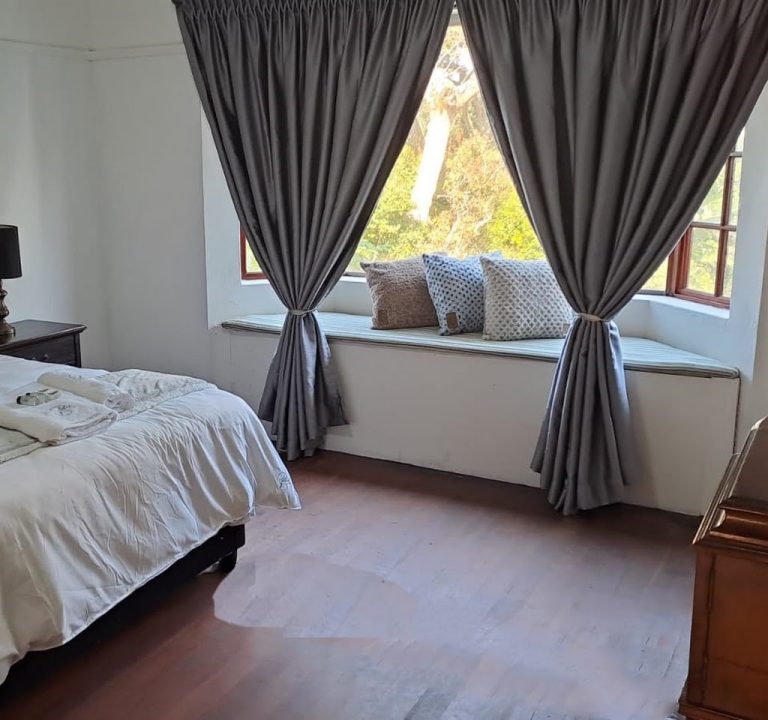
For a relaxed start to your visit, a stay in a guest-friendly bed and breakfast can offer more than a bed for the night. Bethel Lodge, a charming example of a Durban B&B, typically combines homely rooms with personalised service and a hearty breakfast to begin your day. Such properties often sit in convenient, residential parts of the city, providing a calmer base after days spent exploring the coast or the markets.
Accommodation in Durban generally falls into several categories. Boutique hotels in coastal districts tend to emphasise design, proximity to the sand and sea, and easy access to promenade walks. Guesthouses in residential suburbs offer a quieter ambience while retaining close proximity to business districts and shopping hubs. If you are travelling with family or groups, self-catering apartments and villas can deliver flexibility and cost efficiency, especially for longer stays. When booking, look for clear photos, recent guest reviews, and transparent policies on cancellations and arrival times. Pay attention to the level of security, on-site parking, and whether breakfast is included or available on request.
Neighbourhoods to consider include the beachfront precinct, which is ideal for easy sea access and sunset strolls, and the central and Berea areas, which place you within reach of markets, eateries, and cultural venues. For a more tranquil stay, consider the leafy suburbs a short drive from the coast, where guesthouses and B&Bs often sit within quiet streets yet are still well connected to major roads and public transport links.
Typical amenities to expect include en suite bathrooms, air conditioning or fans for Durban’s warm months, reliable Wi‑Fi, and on-site parking. Many properties offer a splash of local character—think cosy lounges, garden corners, or verandas for morning coffee. If you value a robust breakfast, check reviews or property descriptions to confirm what is included and whether dietary needs can be accommodated. In peak seasons, properties with flexible booking policies and clear house rules tend to be more comfortable for guests arriving from different time zones or travel plans.
Transport in Durban is straightforward, with a network of taxis, rideshare services, and public buses. If you plan to stay near the coast, you may find it convenient to walk along the promenade, hop on a bike-share scheme, or use a short taxi ride to reach markets, museums, and restaurants. Renting a car is an option for venturing to the inland attractions or to towns along the province’s rural routes, but many visitors enjoy the city’s walkable core and short trips to nearby nature reserves.
Best time to visit Durban is generally all year round, but the climate shifts with the seasons. The summer months bring warm sea temperatures, ideal for beach days and water activities, while autumn and winter offer pleasant sightseeing weather with fewer crowds. If you are planning outdoor markets, food festivals, or garden outings, check local event calendars as activities often align with seasonal produce and cultural celebrations.
Durban’s attractions span beaches, wildlife, culture and cuisine. You can enjoy a relaxed beachfront stroll, browse markets for crafts and spices, or explore museums and galleries that showcase the region’s Zulu heritage and colonial-era history. Restaurants across the city offer a mix of traditional favourites and modern twists, with seafood and coastal flavours featuring heavily along the coast and in modern urban eateries inland. When planning meals out, consider quieter hours on weekdays for a steadier dining experience, and look for places that source ingredients locally and support neighbourhood communities.
To make the most of your visit, blend a few easy-day plans with more targeted experiences. For example, reserve mornings for a beach walk or a short coastal drive, then dedicate afternoons to markets, a museum visit, or a guided neighbourhood stroll to learn about local crafts and traditions. Expect a mix of casual eateries and more refined venues, with many offering outdoor seating so you can enjoy Durban’s pleasant climate while you eat.
Practical tips to remember:
- Check cancellation policies and whether breakfast or parking is included in the rate.
- Book in advance during peak seasons or major events to secure preferred locations.
- Pack a light layer for cooler evenings near the coast and sunscreen for daytime outdoor activities.
- Plan transfers between accommodation and key sights, especially if you won’t have a car for the day.
- Respect local guidelines and community norms when visiting markets and cultural sites.
Durban offers a welcoming atmosphere for travellers who value comfort, access to nature, and easy connections to the wider KwaZulu-Natal region. With thoughtful planning around where to stay, how long to linger in each area, and which experiences to prioritise, you can craft a relaxed, well-paced visit that captures the spirit of this vibrant coastal city. For further inspiration and practical tips, you can explore official tourism resources and reputable travel guides, which provide updated details on areas of interest, current openings, and seasonal highlights.