Accommodating Cape Town: where to stay, what to plan, and how to make the most of your visit
Cape Town offers a vibrant mix of accommodation options that suit a range of itineraries and budgets. From cliff-top boutique hotels with sea views to characterful guesthouses tucked in leafy neighbourhoods, the key is to align your choice with what you want to experience. Whether you favour the buzz of the City Bowl, the beaches of the Atlantic Seaboard, or the friendly pace of the winelands on the doorstep of the city, you’ll find places that combine comfort with easy access to sights and experiences.
Areas to consider when planning your stay include the City Bowl for central convenience and a lively dining scene, the V&A Waterfront for harbour views and strong transport links, Camps Bay and Clifton for dramatic coastline and sunset walks, and Woodstock or Observatory for a more laid‑back, artsy vibe with good access to local eateries. If you’re keen on a family‑friendly base, Constantia and nearby leafy suburbs provide quiet streets, parks, and coffee stops, with easy routes to the Constantia wine route and the beaches further along the coast. When choosing, think about how you’ll get around: Cape Town’s hills can be demanding on foot, so consider locations with walkable neighbourhoods, or rely on reliable public transport and rideshares for longer excursions.
Booking considerations commonly reflect the city’s seasonal tempo. Peak season in Cape Town tends to be in the warmer months, when beaches are popular and harbour activities are in full swing. Shoulder seasons can offer more availability and often better value, while still delivering pleasant weather for outdoor exploring. Look for properties that clearly state their accessibility and layout if you’re travelling with luggage, children, or mobility needs. Check for essential amenities such as reliable Wi‑Fi, air conditioning or heating (the climate can be variable in shoulder seasons), secure storage for valuables, and clear information about check‑in procedures. Many guests appreciate on‑site parking or easy access to public transport, given that some attractions are spread across the city’s hills and valleys.
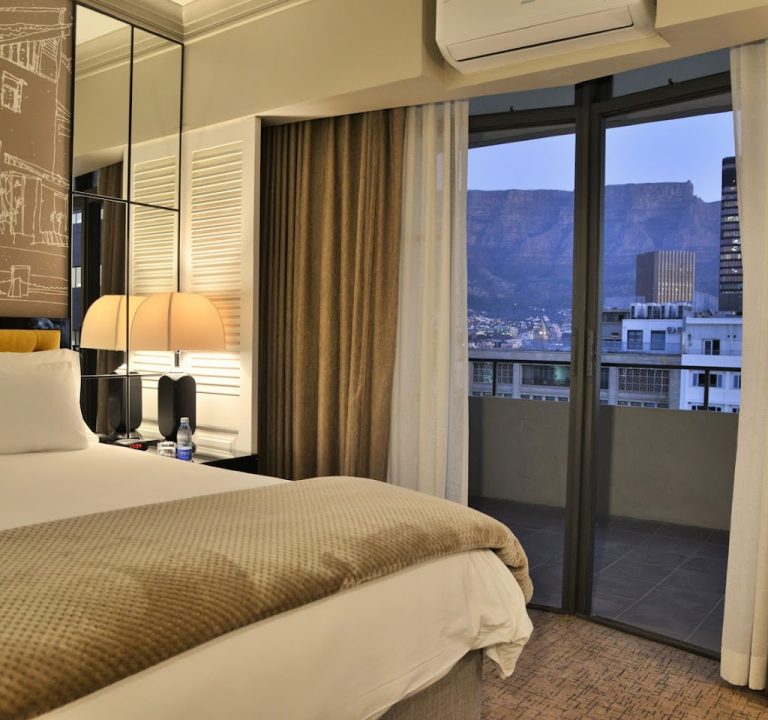
Typical amenities to expect in well‑reviewed Cape Town properties include comfortable beds with quality linens, en‑suite bathrooms, and well‑ equipped kitchens or kitchenettes for guests who prefer self‑catering. A basic workspace can be handy for travellers who mix work and leisure, while a private balcony or terrace often enhances a stay with sea or mountain views. Breakfast is a popular inclusion at many guesthouses and boutique hotels, whether as a light self‑service option or a staffed, resident‑serving meal. If you’re staying longer, consider properties that offer laundry facilities or convenient laundry services, and check whether there are communal spaces that encourage sociable evenings or quiet corners for reading and planning day trips.
Transport planning is essential in Cape Town. The MyCiTi bus system offers relatively straightforward routes between major hubs and tourist zones, while Uber and other ride‑hailing services are widely available. If you plan to explore outside the city, car hire can give you flexibility to follow the scenic coastal drives or the wine routes in the Constantia Valley and elsewhere. When booking, verify parking arrangements, shuttle services to key points of interest, and any time‑restricted access to properties booked during peak times. For those who prefer guided experiences, many accommodation providers can advise on reputable day trips or private arrangements to iconic locations such as Table Mountain, penguin colonies, or the Cape Peninsula’s coastal routes, subject to seasonal conditions and safety considerations.
Best time to visit Cape Town blends weather with personal pace. The city enjoys mild winters and warm summers, but the iconic Table Mountain can be shielded by mist or rain at any time of year. Spring and autumn offer comfortable temperatures for hiking the mountains, exploring the markets, and sampling local cuisine, while the summer months are excellent for beach days and harbour activities. If you’re chasing quieter streets or filming spots with fewer crowds, consider mid‑week stays or shoulder seasons.
Practical tips to help you plan a smooth stay:
- Work out your priorities early: views versus proximity to markets or beaches, or a mix of all three.
- Read recent guest reviews to gauge consistency in service, cleanliness, and responsiveness.
- Check cancellation policies and any seasonal restrictions or city regulations that may affect access to certain areas during peak periods.
- Factor in a day or two for iconic experiences such as scenic drives, coastal walks, and formative cultural experiences, but leave some blocks open for spontaneous discoveries.
- Investigate dining opportunities nearby, from casual cafés to fine‑ dining tables, and consider whether your stay includes a kitchen or covered meals.
To explore options and plan your stay, you might start with the city’s official tourism resources and trusted accommodation guides. For inspiration on how to combine a stay with a broader Cape Town itinerary, see reputable guides and examples of suggested routes that balance nature, culture, and cuisine. More information can be found at official tourism sites and related resources, which provide practical details and seasonal advice to help you tailor a trip that fits your interests. For further reading and planning ideas, you can visit Capetown.travel and similar welcome guides that highlight what to see and how to get around.