Experience Cape Town: Where to stay, what to do, and how to plan your visit
Cape Town blends dramatic scenery with vibrant neighbourhoods, making it a destination where accommodation impacts every moment of your stay. From sunlit terraces with harbour views to cosy lodges tucked beneath Table Mountain, you’ll find options to suit both leisure and exploration. When planning your trip, think about how you want to move around, which experiences you want to prioritise, and how long you’ll spend in each area. This guide offers a practical overview of lodging types, areas to consider, and the practicalities of enjoying the Western Cape’s capital.
Accommodation in Cape Town ranges from boutique guest houses and family-run lodges to modern hotels and self-catering apartments. The choice often comes down to location, atmosphere and access to transport. A well-situated stay can cut journey times to key sights and give you a sense of neighbourhood life. Look for properties that clearly list available amenities, such as free Wi‑Fi, secure parking, air conditioning, on-site dining, or easy access to common lounges. If you’re visiting in peak season, consider options with flexible cancellation policies and proximity to sights you want to revisit.
Key areas to consider:
- City Bowl and the inner harbour: close to landmarks, easy access to museums, markets, and dining.
- Atlantic Seaboard (Sea Point, Camps Bay, Clifton): renowned for coastal walks, ocean views, and stylish eateries.
- V&A Waterfront and Green Point: convenient for excursions, harbour cruises, and family-friendly activities.
- Constantia and the Constantia Valley: leafy neighbourhoods with wine estates nearby, ideal for wine lovers and quieter mornings.
- Bo-Kaap and the centre: historic streets, cultural experiences, and urban convenience.
When booking, consider the following practicalities:
- Transport and access: If you plan to drive, check parking arrangements and whether the property is sheltered from hillside winds. If you’ll rely on public transport or ride-hailing apps, choose a location with straightforward access to main routes or a dependable network of taxis and rideshare services.
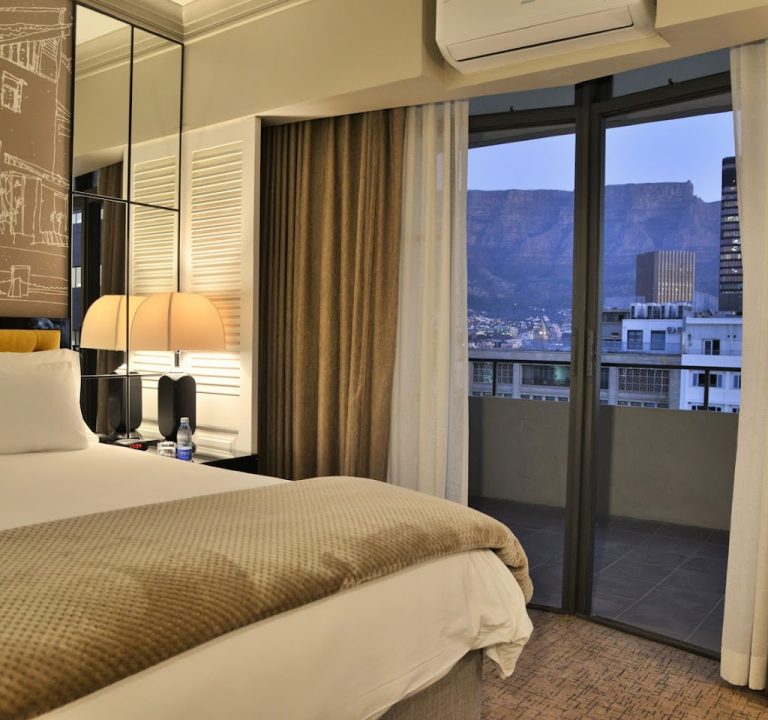
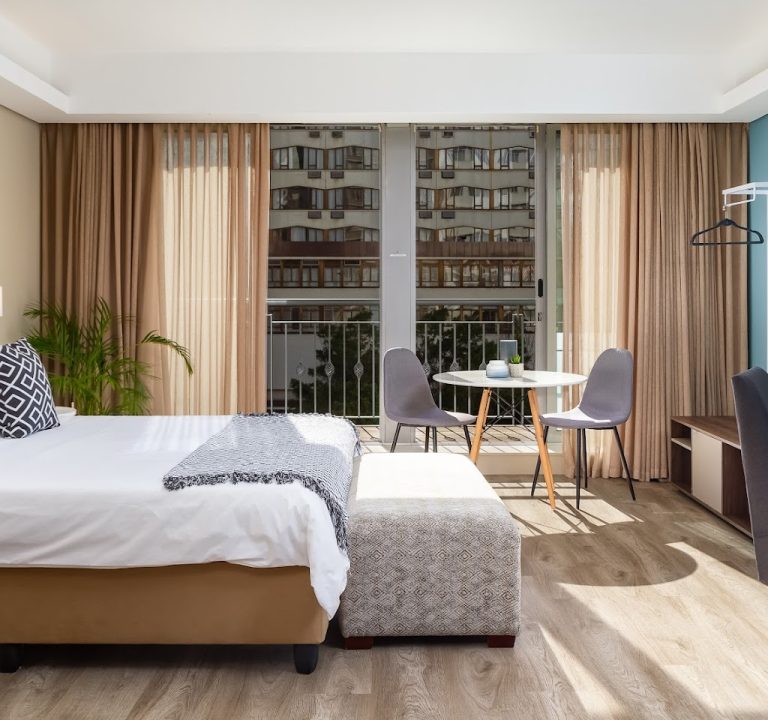
- View and layout: South African cities offer dramatic landscapes; many rooms feature terraces or balconies. If a view is important, confirm what you’ll actually see from your room and whether the accommodation has en-suite facilities and adequate space for your party.
- Kitchen and breakfast options: Self-catering properties offer flexibility for longer stays, while guest houses often provide breakfast with a homely touch. If you have dietary requirements, check in advance what is available or whether extra arrangements can be made.
- Security and access: Check entrance policies, especially for smaller guest houses located in residential streets. Seek properties with well-lit entrances and secure parking if you’ll be out after dark.
Typical amenities that travellers value include reliable Wi‑Fi, comfortable bedding, and a friendly host who can tailor recommendations. Some lodgings offer guided experiences, such as wine-tasting trips from the Constantia area, coastal walks, or curated market visits. It’s worth asking about late check-out options or luggage storage if you’re arriving early or departing late.
Arrival and getting around Cape Town are easier with a plan. The MyCiTi bus system provides reliable urban transport, while Uber and other apps are widely used for short trips. If you’re renting a car, a secure space is advantageous for exploring the Cape Peninsula and nearby towns. For those who prefer to park-and-go, central basecamps reduce the need to drive in heavy city traffic, while seaside hubs offer walkable routes along the promenade or to food markets and cafés.
The best time to visit Cape Town depends on tastes and activities. Summer (December to February) offers long days, beaches, and outdoor dining, but can be busy. Shoulder seasons (April–May and September–November) often deliver pleasant weather, lighter crowds and good value. If wine touring or hiking is on your itinerary, plan around stable, comfortable conditions in the spring or autumn. If you’re keen on whale watching, winter months provide opportunities along the Atlantic Seaboard and nearby bays, though weather can be cooler and windier.
Practical tips to help you plan:
- Book accommodation with flexible terms during peak periods and major events, as demand can be high and availability tight.
- Respect local neighbourhoods: many areas are residential with a strong sense of place. Short, quiet strolls in the evening are often safer and more enjoyable when you know where you’re going.
- Plan day-by-day itineraries that balance iconic sights with slower, restorative moments—coffee stops, markets, and harbour views can be as memorable as a landmark.
- Always check weather and wind conditions, especially near the coast. Pack layers for variable climate and temperatures that can change quickly from day to night.
- Consult official tourism resources for current information on attractions, dining etiquette, and practical safety tips. A reputable tourism website can provide practical guidance and inspiration for your route.
In summary, Cape Town offers a spectrum of accommodation to suit every kind of traveller, from intimate guest houses to contemporary hotels. By selecting a base that matches your preferred pace—whether you want sea breezes, hillside tranquillity, or city access—you’ll set the stage for a memorable stay. For more ideas on planning your itinerary, you can explore official tourism information online and browse destinations by neighbourhood, activity, or interest. Discover Cape Town’s blend of natural beauty, cultural richness, and culinary variety, and let your stay unfold with simplicity and adventure.