Cape Town: Where self-catering comfort and world-class attractions meet
Capetown is a destination that rewards all kinds of travellers, from slow-moving holidays to action-packed itineraries. For those seeking the comforts of a home away from home, self-catering options in and around the city offer practical space, privacy, and the flexibility to set your own pace. Whether you choose a harbour-facing flat in the V&A precinct, a hillside villa with panoramic views, or a cosy coastal cottage, you can tailor your stay to suit your rhythm, with the added convenience of ready-to-use kitchens, living rooms, and private outdoor spaces.
When planning a stay, consider the neighbourhoods that best fit your aims. The central city and the V&A Waterfront keep you close to museums, markets, and dining, with easy access to hop-on, hop-off sightseeing routes or daily tours. The Atlantic Seaboard—areas near Camps Bay, Clifton, and Sea Point—offers dramatic sea views, a lively promenade scene, and generous distances to beaches. The leafy southern suburbs, including Constantia and Kalk Bay, provide a quieter, more residential atmosphere with wine estates, hiking trails, and a slower pace. If you’re chasing a more authentic, local feel, look for guesthouses or apartments in neighbourhoods like Woodstock, Observatory, or the Bo-Kaap area, where you’re near cafés, bistros, and colourful streets.
What to look for when booking self-catering accommodation in Cape Town:
- Location and access: Proximity to taxis, ride-hailing services, or public transport matters more here than in many cities. A parking space can be important if you’re driving, and a short walk to transport nodes helps on busy days.
- Kitchen facilities: Check the size, equipment, and pantry basics. A well-equipped kitchen can save you both time and money by enabling easy breakfasts, light lunches, and simple suppers after a day out.
- Living space and privacy: A separate bedroom, secure access, and a comfortable living area will make longer stays more enjoyable, especially when you’re balancing work and leisure.
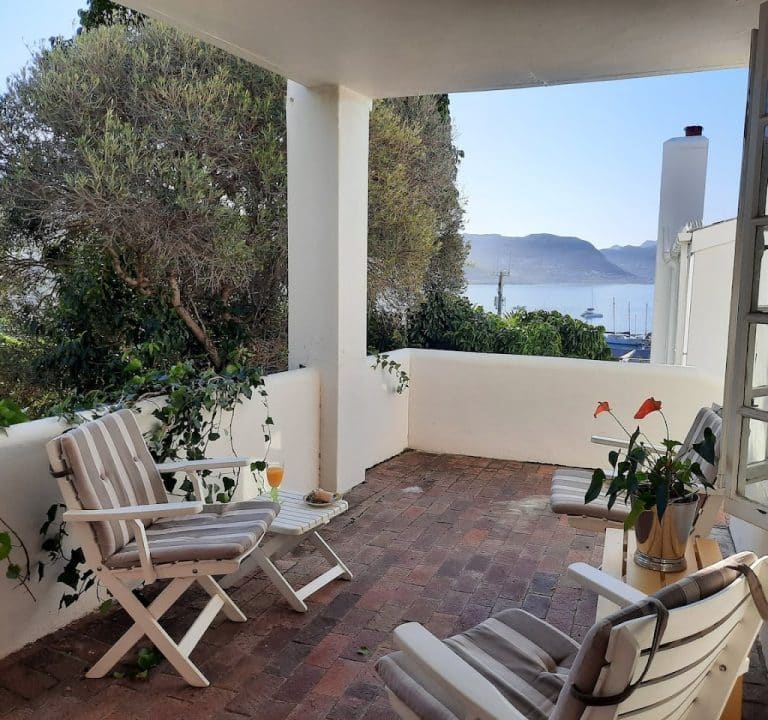
- Views and outdoor space: Balconies, terraces, or courtyards enhance the stay, particularly if you’re touring during the spring or autumn when outdoor living extends your day.
- Safety and reliability: Look for secure entry, well-lit streets, and reputable operators or platforms with clear cancellation policies and responsive hosts.
- Facilities and inclusions: Laundry facilities, air conditioning or heating, fast wireless internet, and good water pressure are small details that count when you’re living on site.
Typical amenities you may find in self-catering stays include fully equipped kitchens, comfortable lounges, free Wi-Fi, private entrances, and dedicated parking. Some properties offer additional touches such as pool access, braai (barbecue) areas, or secure garden spaces. In peak seasons, clarity about check-in procedures, housekeeping options, and flexible cancellation policies can help you manage expectations and avoid last-minute stress.
Transport and getting around Cape Town is part of the experience. The city benefits from a mix of public transport, hire cars, and rideshare options. If you’re staying near the city centre or the Waterfront, you’ll often find walkable routes to major attractions and plenty of dining choices. For trips to wine farms, coastal drives, or hiking start points, a car may provide the most convenient freedom, though guided tours can also be a good choice to maximise time and see notable viewpoints without the hassle of parking.
The best time to visit is generally March to May or September to November when the weather is pleasant and crowds thin a little. Summer (December to February) brings warm days ideal for beaches and outdoor dining, though it can be busy and pricier. Winter (June to August) is cooler and wet, but offers quieter streets and dramatic coastal scenery. If you’re chasing wildlife, whale-watching on the nearby folds of the Cape coast is seasonal, and nature reserves can deliver memorable day trips in all seasons if you’re flexible with timings.
When it comes to experiences, Cape Town serves up a wide spectrum without needing to travel far. You can plan days that blend world-class scenery with culinary discovery: early mornings along the harbour with fresh seafood and farmers’ markets, afternoon visits to world-renowned parks or botanical gardens, and evenings exploring a mix of casual bistros, fine-dining venues, and vibrant street-food scenes. For families, blends of outdoor play, easy-access beaches, and interactive museums make for balanced days, while couples can enjoy romantic strolls along the coast, sunset viewpoints, and intimate dining choices near the sea.
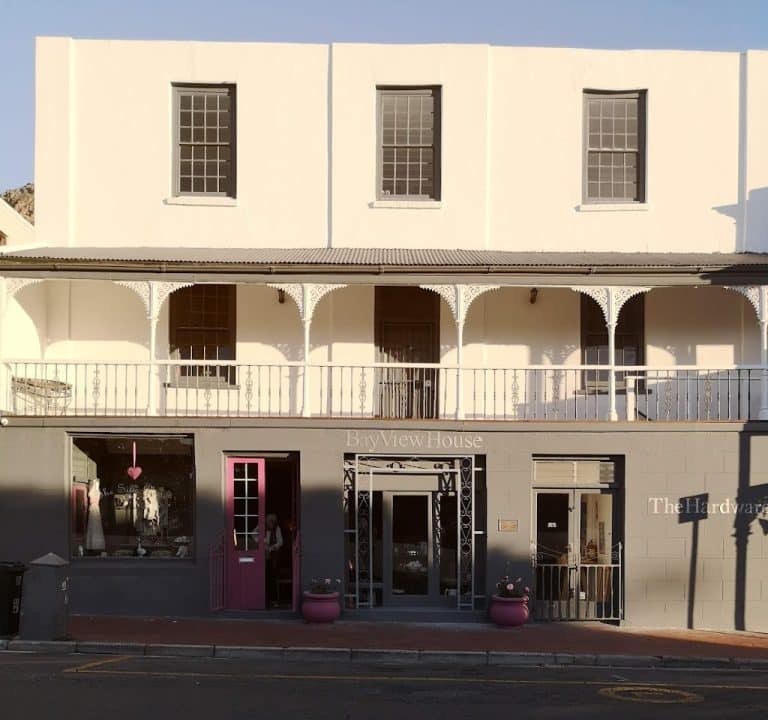
As a concrete example of a self-catering option, Belle Bay View offers a self-contained stay that invites guests to enjoy the comforts of home while exploring the coastline. Details and arrangements can be found on the property’s dedicated page at Belle Bay View, where prospective guests may learn about the accommodation’s layout, amenities, and how to plan a stay that aligns with their travel goals.
Practical tips for a smooth Cape Town visit:
- Pack layers: coastal winds can change quickly, even in sunny seasons.
- Water safety and sun protection are important for beach days and coastal walks.
- Book accommodation with clear cancellation terms and accessible host support.
- Balance your itinerary with a mix of iconic viewpoints and lesser-known neighbourhoods to avoid crowds.
- Consider a multi-centre stay to experience both the city bustle and quieter seaside pockets.