Accommodating Cape Town: Where to stay and how to plan your visit
Cape Town, set between the Atlantic coast and dramatic mountains, offers a diverse range of places to stay, from harbourside villas and boutique guesthouses to modern apartments and family-friendly holiday homes. When planning a stay in the Western Cape, think about which neighbourhood will shape your experiences as much as the bed you sleep in. Whether you want easy access to beaches, vitamin-D‑rich viewpoints, or the city’s vibrant dining scene, there is a home away from home to suit your style and budget.
Popular areas to consider include the Victoria & Alfred Waterfront precinct for waterside convenience and access to tours, the cosmopolitan suburb of Green Point with its walkable promenades and proximity to the city centre, and the Atlantic Seaboard with its dramatic scenery and beaches. For a more relaxed, coastal vibe, neighbourhoods such as Camps Bay, Sea Point, and Bloubergstrand offer striking views and easy access to sun and surf. For a family-friendly or quieter base, inner suburbs like Observatory or Woodstock provide excellent transport links to the city and surrounding attractions. If a seaside escape is your priority, a stay near Hout Bay or Kalk Bay can provide a calmer pace and access to harbour life and scenic coastal drives.
When choosing accommodation, practical features often matter as much as the setting. Look for well-equipped kitchens or kitchenettes, reliable Wi‑Fi, parking arrangements, and contemporary safety features. A private outdoor space, such as a balcony or garden, can greatly enhance the stay, especially in warm months. If you travel with family or a group, an apartment or house with multiple bedrooms and a living area can feel more comfortable and economical than several hotel rooms. Special touches, such as a washer-dryer or a pool, can influence the convenience and enjoyment of a longer visit.
On the ground, plan to balance daily room comfort with experiences outside your door. Cape Town’s terrain encourages flexible planning: mornings can be devoted to mountain views or beaches, while afternoons are ideal for exploring museums, markets, and harbours. Public transport and ride-hailing services are widely available, but a car provides the most freedom for visiting far-flung beaches or nature reserves. If you prefer public transport, the MyCiTi bus network and reliable taxi services connect many central areas to major sights, though some routes may require patience during peak times.
Another key consideration is the best time to visit. The region enjoys a temperate Mediterranean climate, with warm summers and mild winters. Late spring (September to November) and autumn (March to May) are often highlighted for pleasant weather and fewer crowds. Summer (December to February) brings longer days and busy coastal spots, while winter is cooler and wetter, yet still offers the chance to explore city museums, markets and nearby wine valleys in comfortable conditions. Keep in mind seasonal winds and marine conditions that can affect beach plans and outdoor activities.
Typical amenities to look for include secure access, comfortable bedding, good natural light, and climate control for variable weather. For longer stays, a practical kitchen, laundry facilities, and storage space are invaluable. If you are seeking wellness or leisure features, some properties offer private jacuzzis, pools, or spa-like bathrooms—but these may carry premium pricing. Read the listing carefully to understand what is included in the rate, and check for extra costs such as cleaning fees or security deposits before booking.
When planning activities, consider a mix of natural beauty, culture, and gastronomy. Iconic places that visitors commonly enjoy include dramatic viewpoints on the Table Mountain massif and peninsular drives along the Atlantic coast. Cultural experiences range from local markets and galleries to harbour life and guided tours that explain the region’s history and biodiversity. Dining in Cape Town spans everything from casual bistros to fine-dining establishments, often with a focus on fresh seafood, local produce, and South African flavour profiles. It is wise to explore a handful of different neighbourhoods to sample the culinary variety and to understand the city’s spatial variety—from chic beachfront spots to tucked-away eateries in riverside or industrial districts.
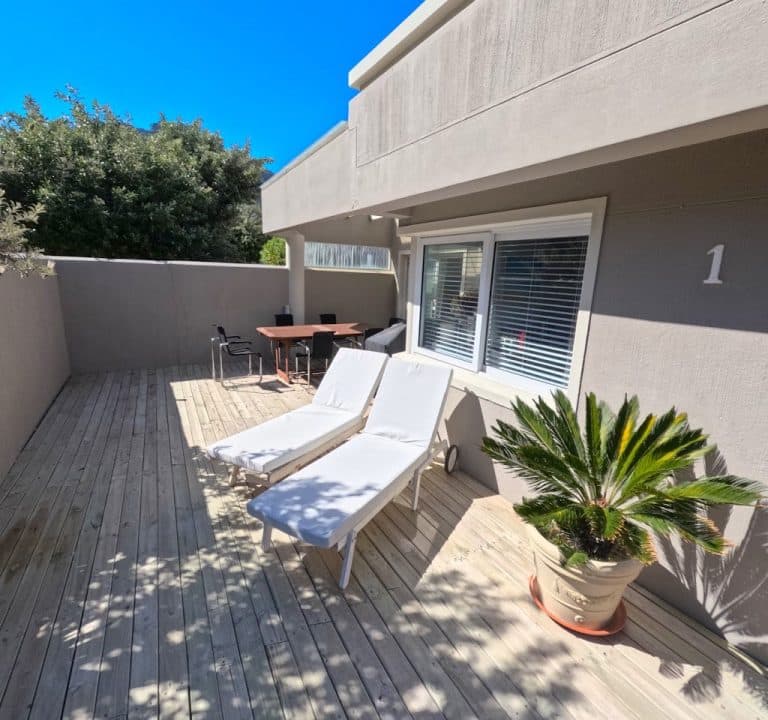
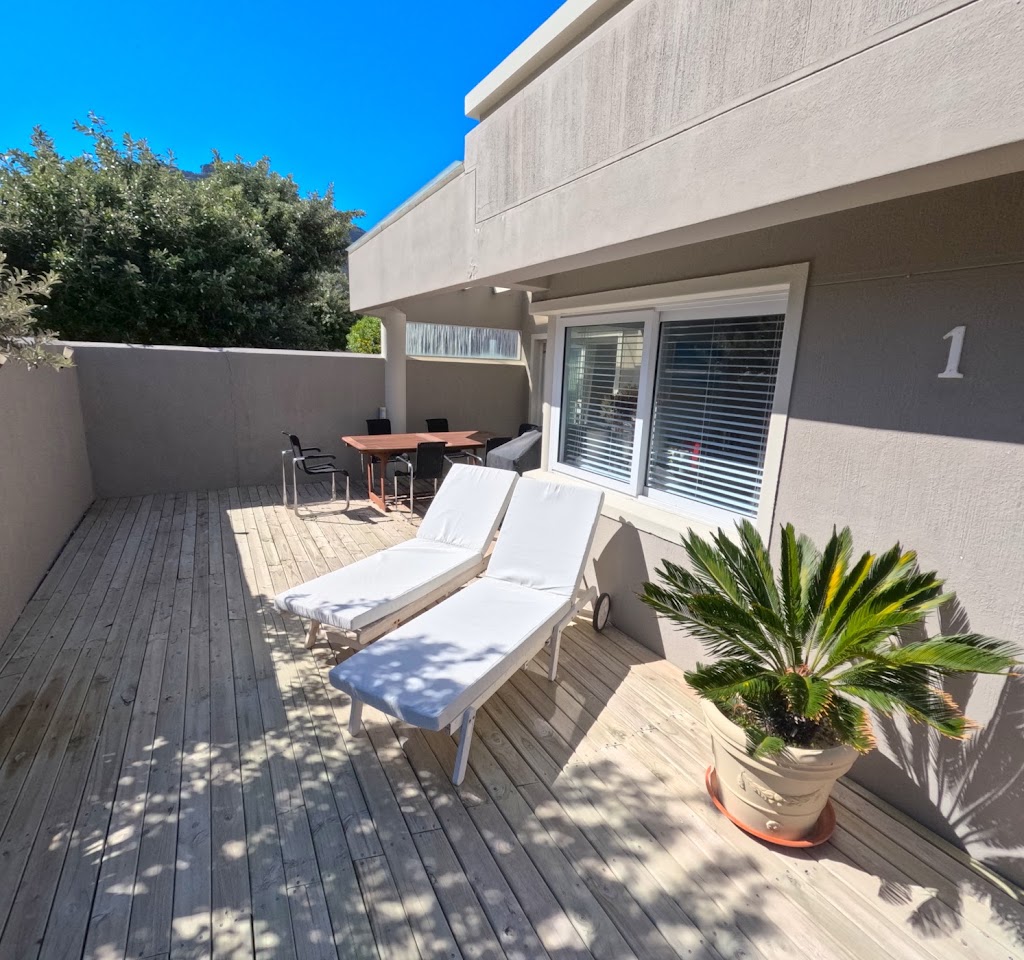
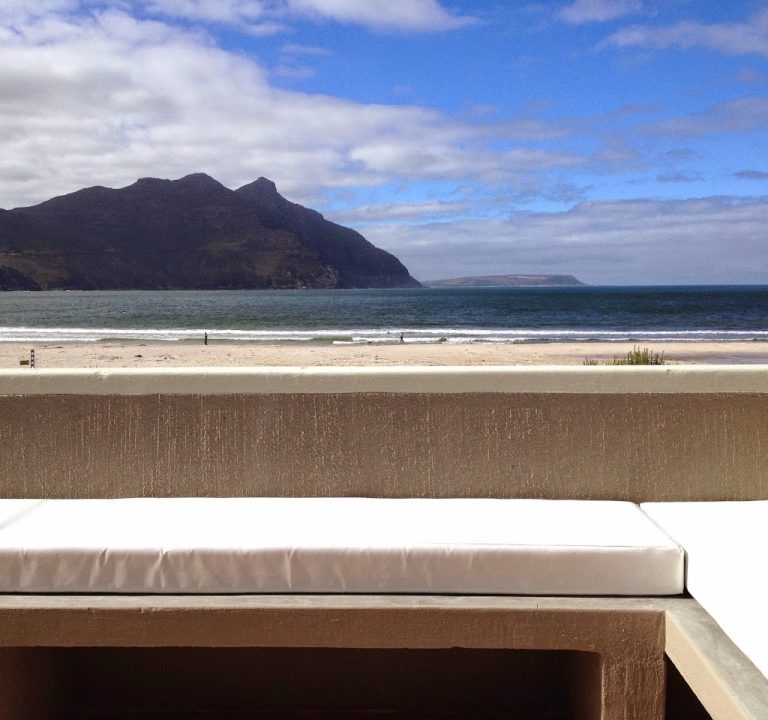
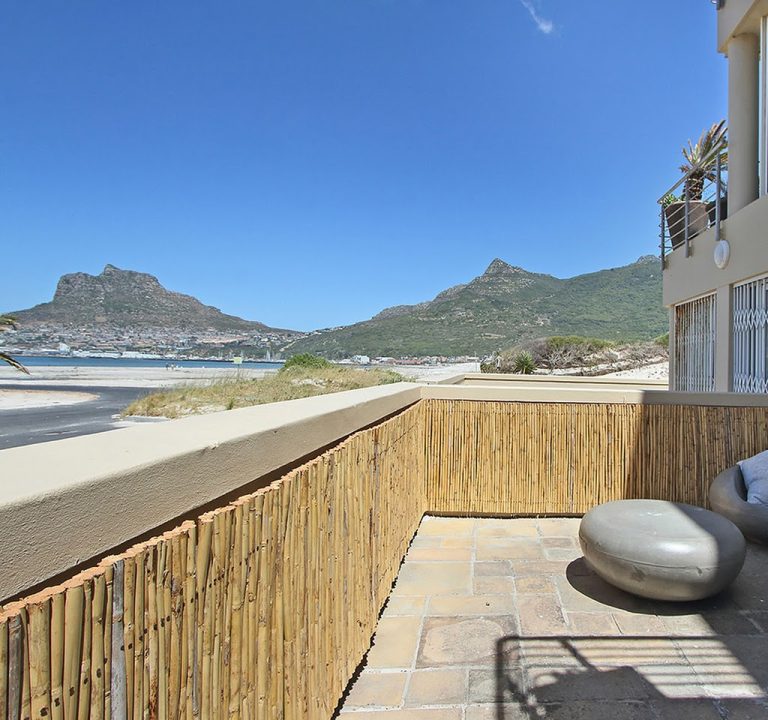
For accommodation that offers a balance of villa-style comfort and sea air, you might consider properties such as Beachfront Villa with Jacuzzi by the sea in Hout Bay. These types of holiday homes provide a private, larger-space option that can be ideal for families or groups who prefer a home-away-from-home atmosphere. If you are booking via a guesthouse or a boutique hotel, read guest reviews to gauge how hosts or staff respond to requests, as attentive service can significantly enhance the stay. Always verify access details, arrival times, and housekeeping arrangements in advance to avoid last-minute surprises.
Practical planning tips for a smooth stay in Cape Town:
- Book early for peak seasons, especially if you want a specific area or a property with notable views.
- Check transport options: proximity to main roads, parking, and public transit access.
- Assess security features and safety recommendations for the chosen area.
- Prepare a flexible itinerary to account for weather and local conditions.
- Budget for meals out as well as self-catering possibilities, depending on the property type.
Finally, booking locally or directly with a property page can give you better insight into what the stay includes and the neighbourhood vibe. Consider speaking with the host or property manager about nearby attractions, walkable routes, and seasonal tips to make the most of your Cape Town visit. By choosing a thoughtfully located base and planning around the city’s varied offerings, you can tailor a Cape Town stay that suits your pace, interests, and budget.