Discover Cape Town: accommodation, attractions and planning your stay
Cape Town offers a diverse mix of accommodation styles set against a backdrop of dramatic coastline and iconic mountains. From boutique BnBs in leafy neighbourhoods to stylish hotels along the Atlantic Seaboard, visitors can tailor their stay to suit budget, pace and interests. When planning, think about your preferred vibe (romantic retreat, city buzz or coastal convenience), proximity to public transport and how much time you want to dedicate to outdoor adventures or cultural explorations.
Areas to consider when booking
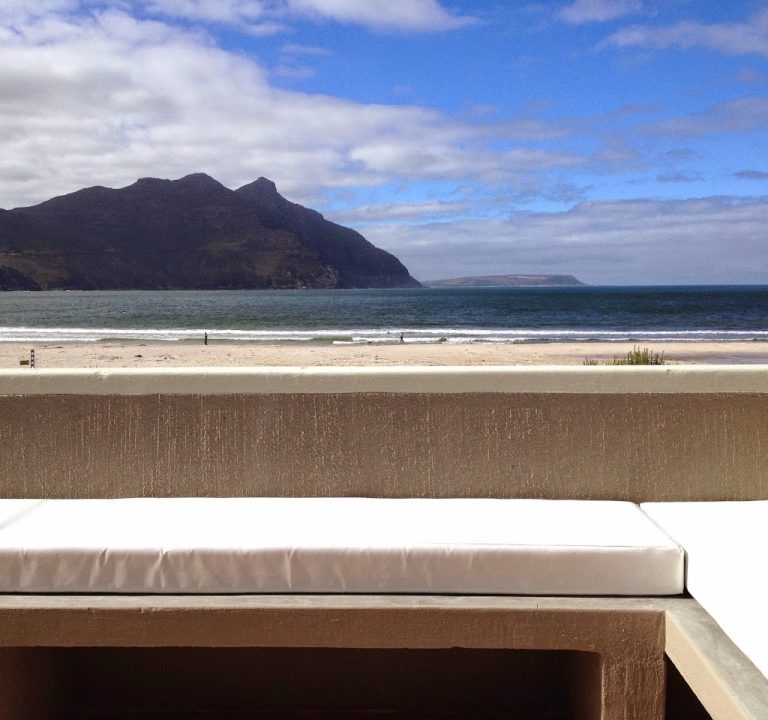
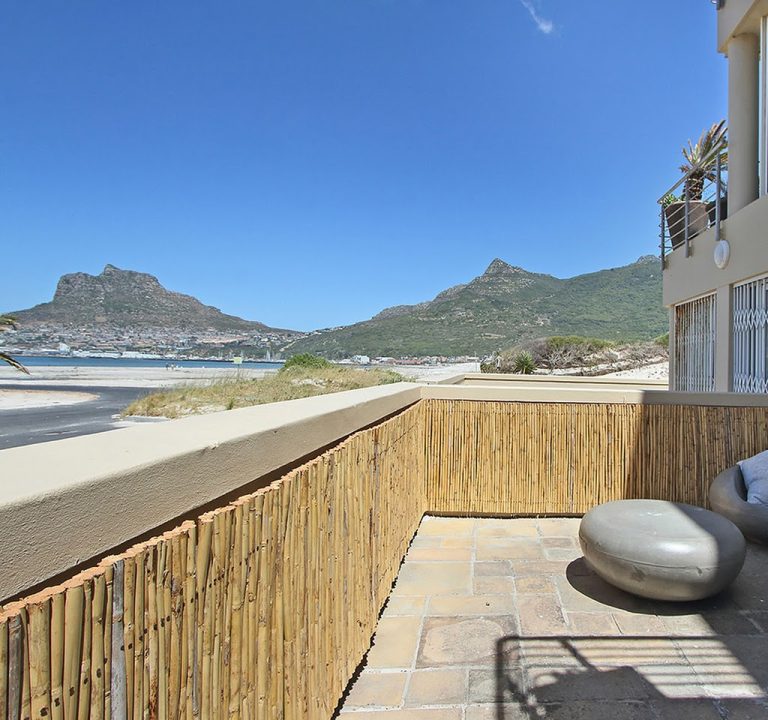
- Atlantic Seaboard: areas such as Camps Bay, Clifton and Sea Point provide beachfront access, scenic walks and easy access to the city centre. Expect stylish hotels and self‑catering apartments with sea views.
- City Bowl and Gardens: central for exploring museums, markets and eateries, with boutique hotels and guesthouses tucked into leafy streets.
- Green Point and V&A Waterfront: convenient for harbour views, easy transport links, and a mix of modern hotels and serviced apartments.
- Constantia and the Southern Suburbs: ideal for a calmer stay with vineyard scenery, larger guesthouses and family‑friendly options.
- Bo-Kaap and Woodstock: vibrant neighbourhoods offering characterful guesthouses and boutique stays close to cultural sites and food markets.
What to look for when booking
- Location relative to your planned activities; if you’ll rely on walking, staying in the City Bowl, Green Point or the Waterfront area can minimise transit time.
- Amenity mix: breakfast included or self‑catering facilities, parking availability, and access to a pool or fitness area.
- Room type and layout: think about sea view rooms, balconies, or quiet corners if you’re travelling with family or colleagues.
- Transport access: proximity to MyCiTi bus routes or rail connections can significantly ease movement around the peninsula and to neighbouring towns.
- Host approach: many Cape Town stays emphasise personal touches and local knowledge, from restaurant recommendations to guided walking routes.
Typical amenities and what travellers expect
- Breakfast options range from light self‑serve continental to cooked traditional fare; some stays offer full-on Cape cuisine experiences.
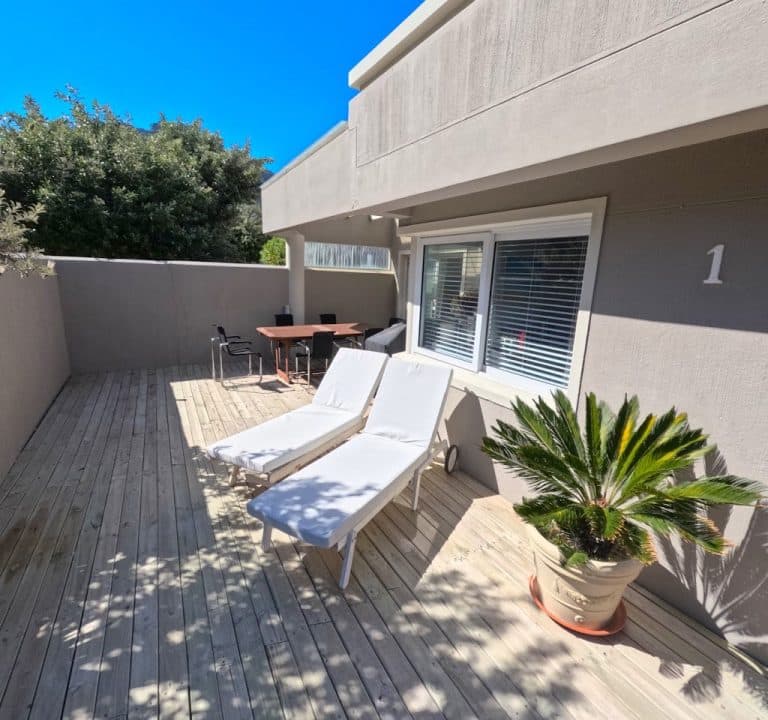
- Private or shared lounges, verandas and terraces are common, particularly in guesthouses and boutique hotels.
- Free WiFi is widely available, with higher speeds in city‑centre hotels; expect secure parking in most suburban stays.
- Outdoor spaces such as rooftops, pools or garden courtyards are popular, especially in warmer months.
- In-room comforts may include air conditioning, efficient heating, minibars, tea and coffee facilities, and quality linen.
Transport and getting around
Cape Town’s beauty is best enjoyed with flexibility. The city offers a reliable public transport backbone, from buses to rail links, though many visitors opt for car hire or guided tours to maximise time. If you prefer not to drive, choose accommodation near major hubs or along bus routes, and consider a local hop‑on hop‑off style tour for broader sightseeing. Walking is delightful in safe, well‑lit neighbourhoods, and rideshare options are widely available after dark. For day trips, areas such as the Cape Peninsula or Stellenbosch and Franschhoek are well served by organised tours if you’d rather not navigate on your own.
Best time to visit and practical tips
- When to go: Cape Town enjoys a Mediterranean climate. Summer (December to February) brings warm days and lively coastal scenes, though it can be busy. Spring (September to November) and autumn (March to May) offer milder weather and fewer crowds, great for hikes and wine country visits. Winter (June to August) is cooler and wetter, which can be ideal for museum days and indoor experiences.
- Practicalities: check the property’s security measures, especially if staying in busy urban areas. Confirm nearby parking arrangements if you plan to hire a car. Pack layers to cope with sea breezes and cooler evenings near the coast.
- Dining and table reservations: Cape Town has a thriving dining scene with many eateries offering views and coastal menus. Plan to book ahead for popular venues, particularly on weekend dates.
- Safety: while Cape Town is welcoming to visitors, standard travel precautions apply. Keep valuables secure, stay in well‑lit areas after dark, and use reputable transport options.
Accommodating stays that suit different travellers
- Boutique BnBs and guesthouses: intimate service, personalised itineraries, and strong local character; ideal for couples and travellers who value a home‑from‑home atmosphere.
- Hotels with sea views: modern amenities, on‑site dining and easy access to beaches and promenades; great for short breaks and special occasions.
- Self‑catering apartments and lodges: flexibility for families or longer stays, offering kitchen facilities and separate living spaces.
- Family‑friendly retreats: properties with larger rooms or suites, playgrounds or safe outdoor spaces, and convenient access to family‑oriented activities.
Attractions and experiences in general terms
Cape Town’s landscape invites natural exploration and cultural immersion. Iconic viewpoints, rugged coastlines and verdant winelands surround a city rich in markets, art, and culinary scenes. Expect opportunities for scenic coastal walks, cable car or viewpoint experiences to take in mountain vistas, and day trips to nearby nature reserves, harbour activities, and wine estates. Restaurant experiences range from casual harbourfront spots to refined dining with emphasis on fresh, local ingredients. It is worth allowing time for a relaxed wander through markets and neighbourhood streets to absorb the city’s energy and character.
Website links
- For general planning inspiration and official visitor information, consider touring official tourism pages and accommodation platforms that list properties by area and amenity.