Accommodation and Experiences in Cape Town: Where to Stay and What to Do
Cape Town is a city of striking contrasts, where iconic coastlines meet mountain scenery and a thriving local culture. Whether you prefer a cosy guest house, a stylish boutique hotel, or a self-catering apartment with sea views, planning a stay that balances comfort with convenience will help you make the most of your visit. The following guide outlines popular areas, what to look for when booking, typical amenities, transport tips, and some ideas for sights, meals, and experiences to round out your trip.
When choosing where to stay, consider the experience you want and how you’ll get around. The Atlantic Seaboard offers glamorous coastal living with scenic drives, cafés and access to beaches, while the City Bowl places you within easy reach of markets, museums, and a walkable dining scene. The southern suburbs such as Constantia and Tokai are ideal for wine willers and nature walks, whereas neighbourhoods like Green Point and Sea Point provide a lively, central base with good public transport links. For a quieter, residential vibe, look to areas further from the centre that still offer convenient access to attractions.
Booking well in advance is wise for peak seasons, particularly December to February and during school holidays. Consider how you will travel: Cape Town’s MyCiti bus network and Uber-style ride-hailing services can get you around, but some areas are best accessed by car or by staying close to your intended activities. If you plan day trips to nearby towns, winelands, or the Cape Peninsula, a guest house or boutique hotel with arranging services or local recommendations can be particularly helpful.
Typical accommodation in Cape Town spans guest houses, B&Bs, boutique hotels, and self-catering apartments. Expect a personalised touch at guest houses, with hosts who can offer tailored tips on routes, views, markets, and eateries. Many properties feature common living spaces, well-equipped kitchens or tea-making facilities, and private balconies or terraces with views of ocean or mountains. For business travellers, reliable Wi‑Fi, comfortable workspaces, and flexible check-in times are valuable considerations. Families typically value rooms with multiple beds, secure parking, and nearby parks or beaches.
When booking, look for clear information about location, access, and safety. Proximity to the highlights you want to visit—whether it is the V&A Waterfront, Table Mountain, Kirstenbosch Gardens, or the Constantia Winelands—will influence your daily planning. Check the property’s reviews for accessibility, noise levels, and cleanliness, and read the cancellation policy to avoid surprise charges. If you’re visiting in winter (May to August), you may prioritise heating, dry indoor spaces, and near‑by indoor activities, whereas summer trips often benefit from outdoor seating and shade. Some properties offer additional services such as airport transfers, guided walks, or shuttle options to popular routes; these can save time and add convenience to your itinerary.
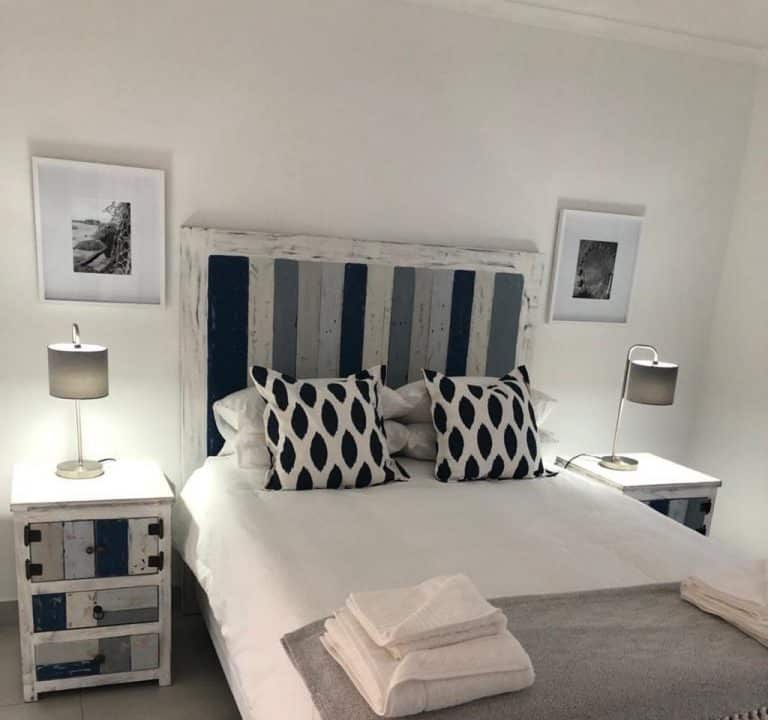
Typical amenities to expect include comfortable bedding, ensuite or well‑located bathrooms, tea and coffee provisions, and digital conveniences such as smart TVs or streaming options. A private or communal lounge, garden spaces, and secure parking are nice to have, as are a well‑stocked minibar or fridge. Where possible, choose spaces that emphasise natural light, fresh air, and a sense of a home away from home. If you’re travelling with pets or children, check pet policies and family‑friendly provisions in advance.
- Internet access that is reliable and easy to connect to in common areas and rooms
- Breakfast options, whether continental, full cooked meals, or light self‑serve provisions
- Secure parking or easy access to public transport
- Guidebooks or host-curated tips for local markets, routes, and dining
- Flexible check‑in/check‑out and responsive hosts or front desk teams
When it comes to dining and experiences, Cape Town offers a spectrum from casual beachfront eateries to refined, contemporary cuisine. Rather than focusing on specific restaurant names, it’s useful to look for venues with fresh, locally sourced ingredients, seasonal menus, and a relaxed, welcoming atmosphere. In many neighbourhoods you’ll find lively coffee shops and informal bistros that are ideal for breakfasts and light suppers after a day of sightseeing. A slow day on the beaches or a cable car ride up Table Mountain can be balanced with a leisurely late lunch or early dinner in a nearby district, followed by sunset views over the Atlantic.
Top ways to fill a stay include exploring the dramatic Cape Peninsula route, visiting botanical gardens, and taking a scenic harbour cruise or boat trip. If you enjoy markets, seek out day markets and craft stalls where artisans showcase local design, fashion, and edible treats. For a taste of nature without venturing far, head to a coastal trail with views of the sea or a short hike in the surrounding hills. Cultural experiences—such as art galleries, museums, or historic districts—offer insight into Cape Town’s diverse heritage and modern vitality.
Practical tips to help plan your visit: book accommodation with a balcony or terrace for outdoor enjoyment, and ensure you have a plan for peak traffic times. Keep a flexible mindset so you can adapt to weather conditions, particularly if you intend outdoor activities. Bring layers for changing temperatures and breezes near the coast. Finally, consider staying somewhere that makes it easy to connect with local insight—hosts who offer personalised recommendations can be invaluable, and a well‑chosen base like Beach Villa Guest House, with its own website, can provide a friendly anchor for a memorable stay. For more details on facilities and availability, you can visit the dedicated website at http://www.beachvilla.co.za/.