Cape Town Accommodation and a Practical Guide to Planning Your Stay
Cape Town sits at the confluence of dramatic coastlines, rugged mountains and vibrant neighbourhoods, making it a destination where your choice of stay can shape how you experience the city. Self-catering options, charming guesthouses and contemporary hotels sit alongside hillside boutique lodges and coastal apartments, each offering a different flavour of the city. For those seeking a home away from home, a self-catering option such as Kingfisher Holiday Home can provide flexibility for families or groups, with the ability to self-manage meals and enjoy a private space after a day of exploring.
When choosing where to stay, start by considering what you want most from your trip. If you plan long days of sightseeing and early starts, a central base in the City Bowl or near the V&A Waterfront can minimise transit time to key vistas and attractions. If you prefer beachside mornings and sunset walks, look towards the Atlantic Seaboard, Camps Bay or Clifton, where easy access to the ocean is part of the experience. For a more tranquil setting and easy access to wine routes and leafy gardens, Constantia and the southern suburbs offer greenery, quiet streets and refined dining spots.
What to look for when booking
- Layout and capacity: ensure the number of bedrooms, living space and kitchen facilities suit your party size.
- Amenities: reliable Wi‑Fi, laundry facilities, parking, secure access, and heating or cooling options for Cape Town’s varied weather.
- Light and views: many properties in Cape Town benefit from sea or mountain views, or rooftop terraces—these can greatly enhance your stay.
- Access and transport links: proximity to MyCiTi bus routes, major roads, or car rental hubs makes day trips and city explorations smoother.
- Safety and security: check for well-lit streets, secure entry systems and on-site staff or 24-hour reception if you value reassurance.
- Flexibility: look for clear policies on changes, cancellations and check-in times, especially if travel plans are evolving.
Typical amenities you may encounter
- Fully equipped kitchens or kitchenettes with essential appliances
- Private or communal outdoor spaces, such as patios or balconies
- Secure off-street parking or easy access to public transport
- High-speed Wi‑Fi, smart TVs and streaming options
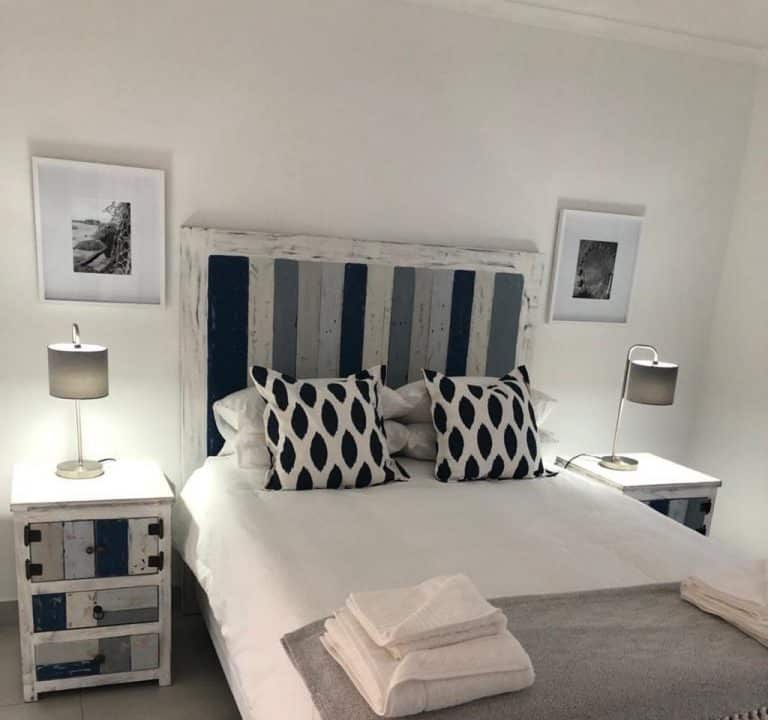
- Fresh linen, towels and housekeeping schedules to suit your stay
- Adventurous layouts, such as lofts or split-levels, which can add character to your visit
Transport and getting around
Cape Town’s geography makes some planning essential. If you’re staying near the city centre or the waterfront, you may manage well with public transport and rideshare options. For greater flexibility, a hire car can be convenient, especially for excursions to the Cape Winelands, Cape Point or the Cape Peninsula’s scenic routes. If you prefer a lighter touch, use a combination of Uber or local taxi services and organised day tours for key sights. Remember to factor in parking restrictions and potential traffic during peak hours, particularly on the Atlantic Seaboard during summer weekends.
Best time to visit
- Summer (October to March) brings warm days, sea swimming opportunities and lively outdoor markets. It’s ideal for beachgoers and hikers who want longer daylight hours.
- Autumn (April and May) and spring (September) offer shoulder-season calm with pleasant conditions, slightly fewer crowds and often better value.
- Winter (June to August) is cooler and wetter, but the city’s indoor appeal remains strong: museums, galleries, wine estates and restaurant scenes are thriving during this period.
Outdoor activities such as Table Mountain hikes, coastal walks and garden visits are generally most comfortable in late spring and early autumn, when temperatures are moderate.
Practical planning tips
- Book early for peak periods (summer holidays and major events) to secure preferred locations and better rates.
- Consider a flexible cancellation policy if your plans might shift; this is especially helpful given Cape Town’s variable weather and occasional travel disruptions.
- Check the property’s policies on self-catering, housekeeping, and guest access to shared spaces if staying with a group.
- Make a quick plan for meals: if your accommodation includes a kitchen, map out a few local markets and grocery stores for fresh produce and seafood.
- Prepare for water and energy considerations in certain parts of the year by choosing properties with water-saving features and backup power if available.
- If you’re travelling with children or guests with mobility needs, confirm accessibility features and proximity to lifts, ramps or ground-floor access.
Areas to consider and nearby experiences
- The City Bowl and V&A Waterfront offer convenient access to museums, galleries and dining options, plus harbour views and strolls along the harbour.
- The Atlantic Seaboard, including Camps Bay and Clifton, provides sunsets, beaches and upscale dining experiences with a more relaxed, scenic ambience.
- Constantia and the southern suburbs are ideal for wine estates, garden trails and leafy streets, with easy access to scenic drives and boutique eateries.
- A day trip to the Cape Winelands or the Cape Point reserve makes for memorable experiences beyond the city’s urban core.
Food and dining
Cape Town’s dining scene is diverse, ranging from casual bistros and markets to refined restaurants. Expect a mix of modern South African cuisine, seafood along the coast, and international influences. When planning meals away from your base, consult local guides or your host for current favourites in the neighbourhood and book ahead for popular spots, especially on weekends and during events.
For more ideas on destinations and experiences, exploring official tourism resources can help you tailor your itinerary to your interests. Visit sites such as Cape Town’s official tourism pages for inspiration on routes, events, and practical travel tips.